The capital of China, Beijing has been the political and cultural center for over 700 years. It is home to Peking Opera, traditional craft workshops, and the Palace Museum.
As a vital node in China's cultural geography, this location has nurtured artistic traditions
that have endured through dynastic changes, social transformations, and the challenges of modernity.
The continuity of these practices speaks to the deep relationship between place and cultural identity.
Today, Beijing continues to be a living center of heritage — where master artisans
train the next generation, festivals mark the seasons, and ancient crafts adapt to contemporary life.
auto_awesome
travel_explore
Civilization Snapshot
travel_explore
Coordinates39.904°N, 116.407°E
map
Cultural Zonenorth-china
density_small
Heritage Density
34 traditions registered
Through the Eras
Pre-ImperialBefore 221 BCE
Imperial Era221 BCE – 1912 CE
Modern Era1912–Present
mapLandscape of Practice
Where heritage lives — the geography of cultural practice
Interact with the nodes of cultural heritage across the region's ancient grid.
The heritage of Beijing does not exist in isolation. It is the core of a sophisticated network
of exchange, where techniques, motifs, and melodies traveled to shape the identity of an entire civilization.
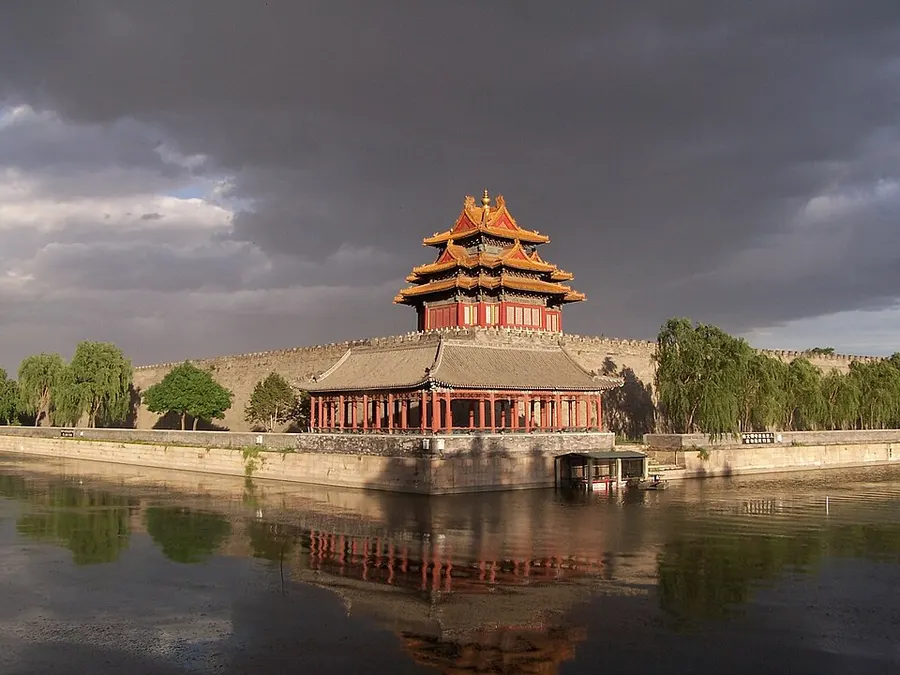
Beijing holds the densest concentration of imperial heritage on Earth. The Forbidden City, completed in 1420 under the Yongle Emperor of the Ming Dynasty, served 24 emperors across the Ming and Qing before opening as a museum in 1925, and it anchored UNESCO's very first World Heritage list in 1987. The city's 7.8-kilometre Central Axis — running from Yongdingmen to the Drum and Bell Towers — was itself inscribed as a World Heritage Site in 2024, becoming China's forty-sixth listing.
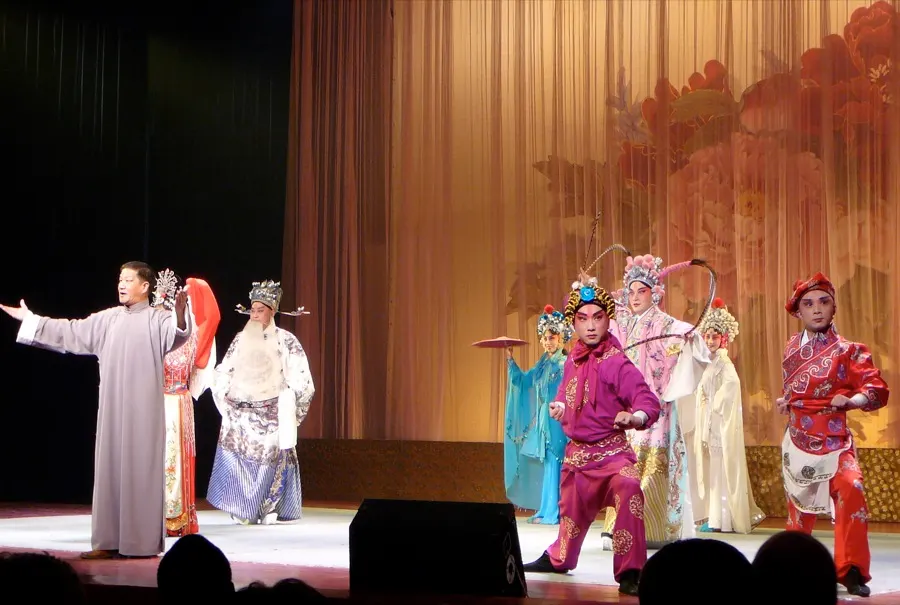
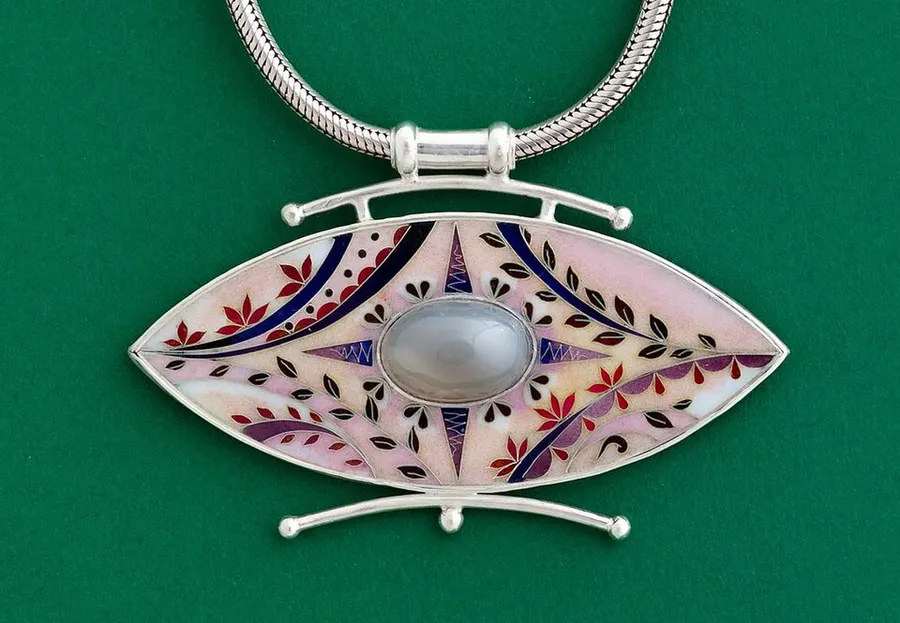
The capital's performing-arts pedigree is equally layered. When four Anhui troupes entered Beijing in 1790 to celebrate the Qianlong Emperor's eightieth birthday, they stayed, absorbed Hubei's han diao, and crystallized Peking opera by mid-century. The cloisonné workshops that gave the Jingtai era its name still fire enamel in Beijing ateliers today.
handyman
Cultural Traditions
01
Imperial Workshops
Jingtai-era cloisonné kilns, founded around 1450, still operate in the capital.
02
Hutong Courtyards
Grey-brick siheyuan lanes preserve neighbourhood life around the Drum Tower.
03
Opera Training
The Fuliancheng school, opened in 1904, trained generations of Peking opera stars.
04
Temple Fairs
Dongyue and Ditan temple fairs stage New Year markets with folk crafts and snacks.
contact_support
Common Questions
Why does Beijing hold so many World Heritage sites?add
Seven sites inscribed between 1987 and 2024 — from the Great Wall sections to the Summer Palace and the Central Axis — reflect six centuries of continuous imperial investment.
How did Peking opera originate here?add
Anhui troupes arriving in 1790 merged their singing with local styles; read how the Peking opera tradition took shape over the following decades.
What is the Central Axis?add
A 7.8 km ceremonial line of palaces, gates, and temples laid out in 1267 under Kublai Khan and completed in the Ming, inscribed by UNESCO in 2024.
smart_display
Watch & Learn
Oral Tradition
Stories & Legends
Narratives from the atlas graph that share origins, practitioners, or settings with this topic.
Long ago, a monster called Nian (meaning "year") would descend from the mountains every New Year's Eve to devour villagers and livestock. The people discovered Nian feared the color red, bright light, and loud noises. They began decorating their homes in red, lighting lanterns and firecrackers to drive Nian away. This tradition evolved into the Spring Festival customs observed today.
During the Han Dynasty, Emperor Mingdi promoted Buddhism by ordering lanterns lit in palaces and temples. To make the festival more engaging, scholars began writing riddles on lanterns for people to solve. The tradition of lantern riddles (cai dengmi) spread throughout China, combining celebration, wordplay, and intellectual challenge into a beloved Lantern Festival custom.