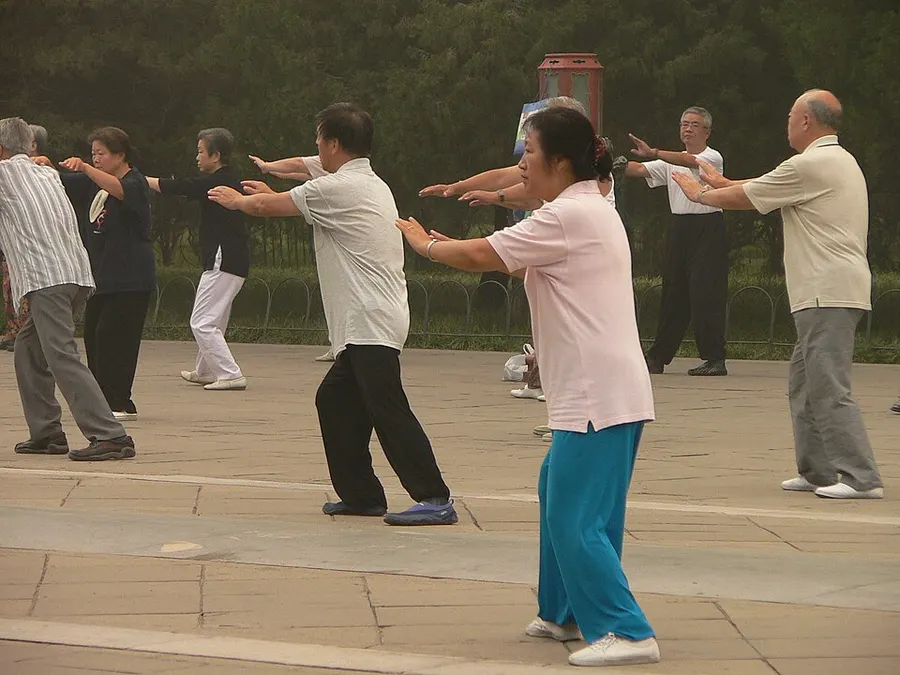
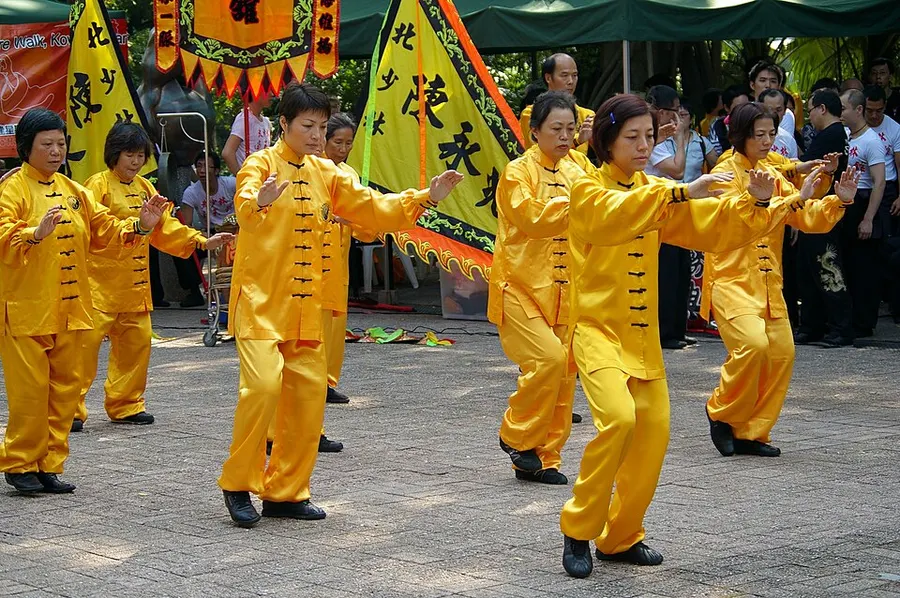
A small village in Henan Province, Chenjiagou is the birthplace of Taijiquan (Tai Chi) and home to the Chen family martial arts lineage.
As a vital node in China's cultural geography, this location has nurtured artistic traditions
that have endured through dynastic changes, social transformations, and the challenges of modernity.
The continuity of these practices speaks to the deep relationship between place and cultural identity.
Today, Chenjiagou continues to be a living center of heritage — where master artisans
train the next generation, festivals mark the seasons, and ancient crafts adapt to contemporary life.
auto_awesome
travel_explore
Civilization Snapshot
travel_explore
Coordinates34.955°N, 113.053°E
map
Cultural Zonecentral-plains
density_small
Heritage Density
1 traditions registered
Through the Eras
Pre-ImperialBefore 221 BCE
Imperial Era221 BCE – 1912 CE
Modern Era1912–Present
mapLandscape of Practice
Where heritage lives — the geography of cultural practice
Interact with the nodes of cultural heritage across the region's ancient grid.
The heritage of Chenjiagou does not exist in isolation. It is the core of a sophisticated network
of exchange, where techniques, motifs, and melodies traveled to shape the identity of an entire civilization.
This Henan village of a few hundred households invented tai chi. Chen Bu settled here in 1372 after migrating from Shanxi, and in the seventeenth century his descendant Chen Wangting, a retired Ming military officer, codified the spiral-power routines that became Chen-style taijiquan. The art stayed a family secret until Yang Luchan learned it here in the 1820s and carried it to Beijing.
Practice never stopped. Roughly eighty percent of villagers still train daily, the village hosts national push-hands tournaments each autumn, and twentieth-generation teacher Chen Bing runs a school drawing foreign students year-round. Taijiquan's UNESCO inscription in 2020 named Chenjiagou lineage styles explicitly.
handyman
Cultural Traditions
01
Laojia Routines
Old Frame One and Two forms preserve the original silk-reeling choreography.
02
Push Hands
Partner drills test listening skill without strikes, central to village training.
03
Weapons Forms
Spear, sabre, sword, and pole sets complete the family curriculum.
04
Lineage Schools
Chen-family halls teach students from more than fifty countries.
contact_support
Common Questions
Who created tai chi?add
Chen Wangting of this village systematized it in the seventeenth century; see the taijiquan tradition he founded.
Can visitors study here?add
Yes, several schools accept residential students for weeks-long intensives year-round.
When did UNESCO recognize tai chi?add
In December 2020, listing Chen-style along with Yang, Wu, and Sun lineages.
smart_display
Watch & Learn
Oral Tradition
Stories & Legends
Narratives from the atlas graph that share origins, practitioners, or settings with this topic.