Heritage Stories
The narrative behind China's intangible cultural heritage — journeys through history, geography, and human creativity.
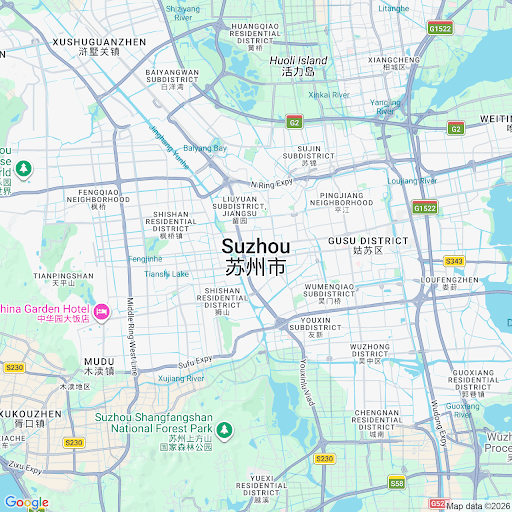
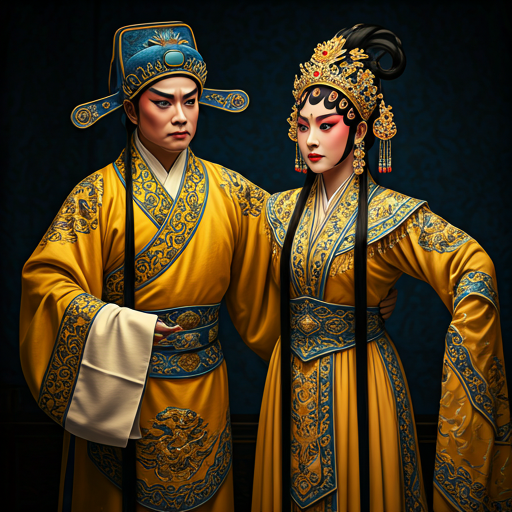
Why Kunqu Was Born in Jiangnan
In the late Ming Dynasty, a new sound emerged from the gardens of Suzhou — delicate, refined, and achingly beautiful. It was Kunqu, the operatic form that would define Chinese theater for centuries. But Kunqu did not appear by chance. It was born from a specific place: Jiangnan, the water-rich region south of the Yangtze River.
The Porcelain Road: Jingdezhen and the World
Before silk, before tea, there was porcelain. And before porcelain was global, there was Jingdezhen — a remote town in Jiangxi province that, for over a thousand years, produced the finest ceramics the world had ever seen.
Spring Festival: A Civilization 4000 Years in the Making
Every year, a quarter of humanity pauses. They board trains, planes, and buses. They travel hundreds of miles to be with family. They light fireworks, exchange red envelopes, and eat dumplings at midnight. This is Spring Festival, or Chinese New Year — a celebration so old, its origins lie in the Shang Dynasty, over 4,000 years ago.
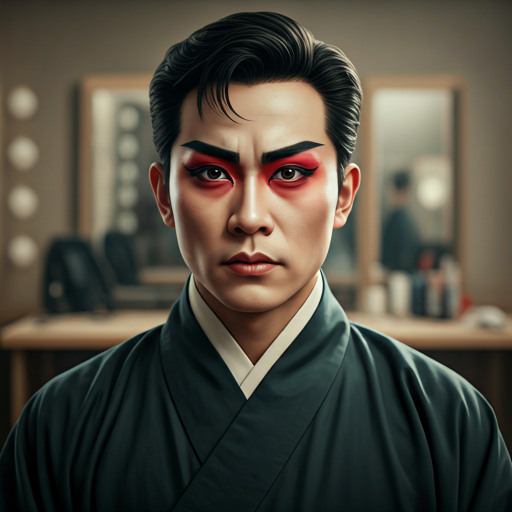
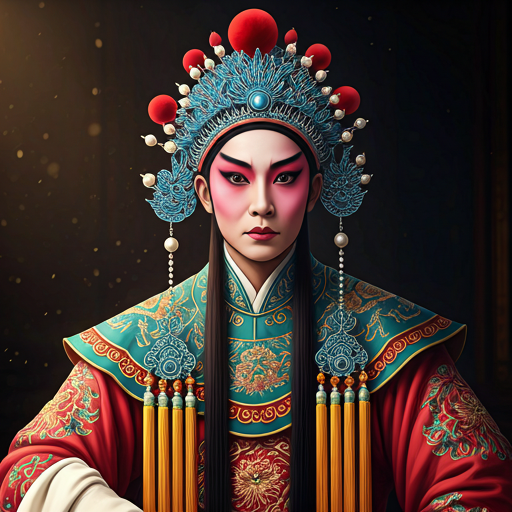
The Art of Silence: Peking Opera's Journey from Court to World
In a Peking Opera performance, a warrior's single step can convey a journey of a thousand miles. A painted face reveals character — red for loyalty, white for treachery, black for integrity. This is an art form where nothing is literal and everything is understood. Peking Opera was born in the bustling teahouses of 18th-century Beijing, but its roots go much deeper.
Silk: The Thread That Connected Civilizations
In 1929, Chinese archaeologists unearthed a prehistoric ivory carving of a silkworm in Henan province — proof that sericulture was already practiced 6,000 years ago. The thread spun by Bombyx mori, the humble silkworm, would go on to create the world's first global trade network, connecting China to Rome, Persia, and beyond.
Tai Chi: From Martial Art to Global Meditation
In parks across China, at dawn, millions of people begin their day with a slow, flowing sequence of movements. They raise their arms, shift their weight, breathe deeply. This is tai chi chuan — a martial art that became a moving meditation. How did a fighting technique from a remote village become a global phenomenon?
Medicine Without Borders: TCM's Ancient Wisdom
Before germ theory, before antibiotics, before modern surgery — there was a system of medicine that viewed the human body as a microcosm of the universe. Traditional Chinese Medicine (TCM) has treated illnesses for over 2,500 years. Today, it is practiced alongside Western medicine in hospitals across China and increasingly around the world.
The Dragon Boat Festival: Memory, River, Nation
Every summer, the rivers of China fill with dragon boats — long, narrow vessels carved and painted like dragons, powered by paddlers moving in perfect synchronization. The Dragon Boat Festival is one of China's most vibrant celebrations, but its origin is a story of political betrayal, literary genius, and the power of memory.
How Cloisonné Entered the Imperial Court
The Forbidden City contains some of the most spectacular decorative art ever created: towering vases, incense burners, and ceremonial vessels covered in brilliant blue, turquoise, and purple enamel, each color separated by hair-thin gold wires. This is cloisonné, or jingtailan, a technique that traveled from Byzantium to Beijing and became the ultimate expression of imperial taste.
Mongolian Long Song: The Grasslands Singing
On the Mongolian steppe, where the sky meets the earth in an unbroken line, there is a style of singing that sounds like the landscape itself. The Mongolian Long Song (Urtiin Duu) is characterized by prolonged syllables, wide melodic intervals, and a free, flowing rhythm that mirrors the movement of wind across the grasslands.
Suzhou Embroidery: A Needlepoint Universe
In Suzhou, embroidery is not merely decoration — it is a method of seeing the world. For over 2,500 years, Suzhou embroiderers have translated the visible universe into thread: misty mountains, swimming carp, blooming peonies, and the fleeting expressions of human faces. The finest pieces look less like fabric and more like paintings.
Wood and Earth: The Magic of Longquan Celadon
The Chinese have always revered jade above all other materials. But jade is rare and difficult to carve. So potters set themselves an impossible challenge: create a ceramic surface that rivals the luster, translucency, and color of jade. The result was celadon — and the finest celadon came from Longquan in Zhejiang province.
Woodblock Printing: The First Information Revolution
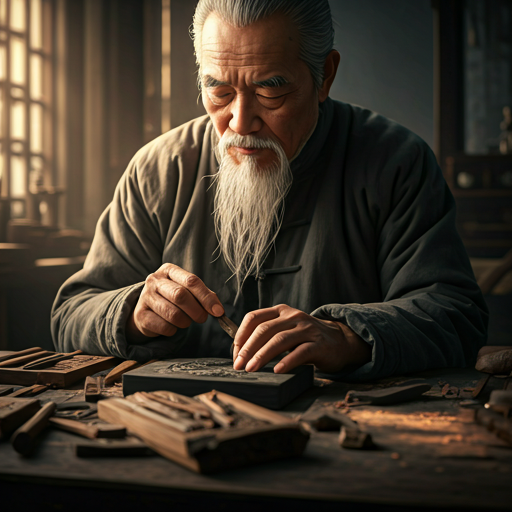
Before Gutenberg, before the printing press, there was the Chinese woodblock. For over a thousand years, Chinese printers carved entire pages of text and image into blocks of pear or date wood, inked them, and pressed them onto paper. This was the world's first information technology, and it transformed Chinese civilization.
The Tea Horse Road: Brewing Civilization
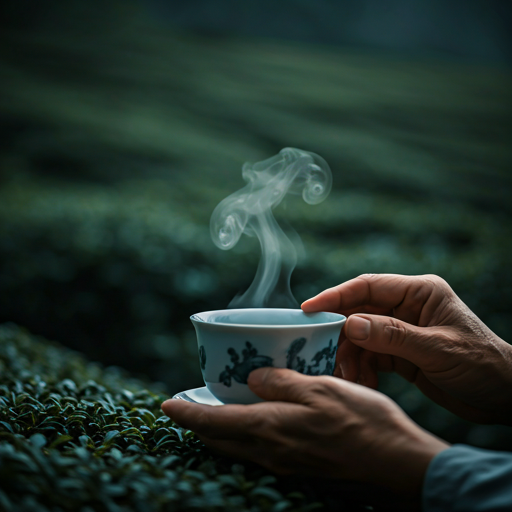
Legend says that Emperor Shennong was boiling water under a wild tea tree when a leaf drifted into his pot. He drank the infusion, found it refreshing and detoxifying, and declared it medicinal. Whether myth or history, that single leaf started a chain reaction that would shape economies, inspire rebellions, and become the world's second most consumed beverage after water.
The Sound of Silk: Guzheng Across Millennia
When the guzheng player's fingers sweep across its 21 strings, the sound is unmistakable: a cascade of notes that can evoke a flowing river, a gentle breeze, or a battlefield charge. The guzheng is one of China's oldest and most expressive instruments, with a history spanning over 2,500 years.
Tibetan Opera: Masks of the Himalayas
At 4,000 meters above sea level, in the courtyards of Tibetan monasteries, a unique form of opera has been performed for over 600 years. Tibetan opera, or Ache Lhamo, combines masked dance, chanting, and dramatic storytelling into a spectacle as dramatic as the landscape that surrounds it.
The Lute That Crossed the Desert: Pipa
Of all the musical instruments in the Chinese orchestra, none has a more dramatic story than the pipa. It arrived from Persia via the Silk Road during the Han Dynasty, a foreign import that would become one of the most expressive instruments in Chinese music. The pipa's journey mirrors the cultural exchange that built Chinese civilization.
Acupuncture: The Map of Energy
A patient lies still as a dozen hair-thin needles are inserted into their skin. There is no pain — only a sensation of heaviness or warmth. This is acupuncture, a medical practice over 2,000 years old, based on a map of energy pathways called meridians that cross the human body like rivers across a landscape.
The Dancing Lion: From Exorcism to Celebration
The drums begin, the cymbals crash, and a magnificent creature bursts into the street — a lion with rolling eyes, a shimmering mane, and a playful, unpredictable energy. Beneath the costume, two performers move as one, leaping onto platforms, balancing on poles, and making the lion sneeze, bow, and wag its tail. The Chinese lion dance is not a dance at all — it is a ritual.
Shadow Puppetry: Light, Leather, and Legend
Centuries before cinema, there was shadow puppetry. In a dark room, behind a white screen, a single puppeteer manipulates intricately carved leather figures. Oil lamps cast their shadows onto the screen, and the audience watches in wonder as heroes, demons, and gods act out epic tales from Chinese history and mythology.