menu_book The Full Narrative
01
Qu Yuan: The Poet Who Drowned
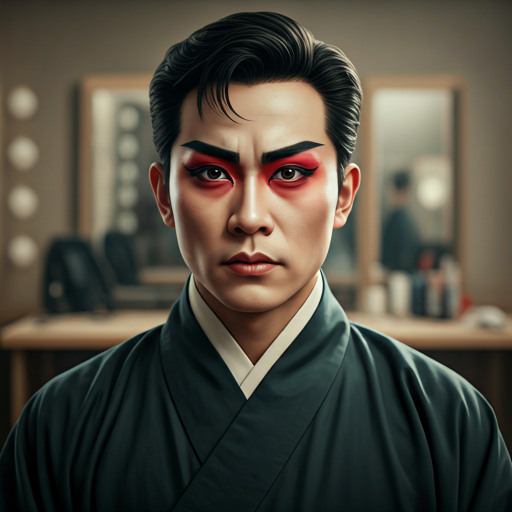
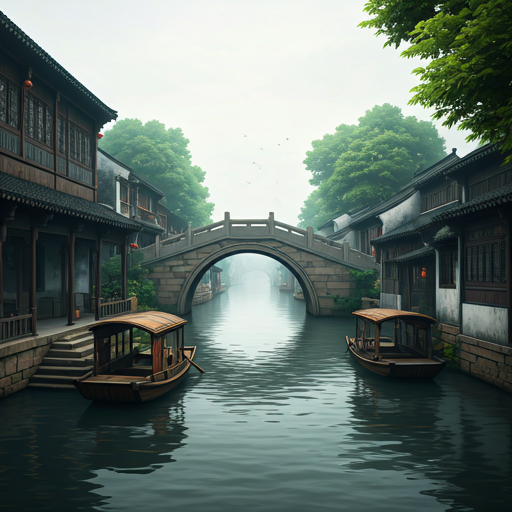
Qu Yuan was a minister of the Chu State during the Warring States period. A poet of extraordinary talent and a patriot of unwavering loyalty, he was slandered by corrupt officials and exiled by the king. In 278 BCE, learning that his beloved Chu had been conquered, Qu Yuan waded into the Miluo River with a stone in his arms and drowned himself.
02
The Race to Save Him
The local fishermen raced out in their boats, beating drums to scare away fish and throwing zongzi (glutinous rice wrapped in bamboo leaves) into the water to feed Qu Yuan's spirit. This dramatic rescue attempt is reenacted every year as the dragon boat races. The boats are not just racing — they are reenacting a moment of collective grief.
03
Zongzi and the Spirit World
The tradition of eating zongzi during the festival has deep ritual significance. The rice dumplings wrapped in bamboo leaves were originally offerings to quell the river dragons and to nourish Qu Yuan's restless spirit. Today, zongzi come in countless regional varieties — sweet, savory, filled with red bean paste, pork, or egg yolk.
04
A Hull Built for Twenty Paddles
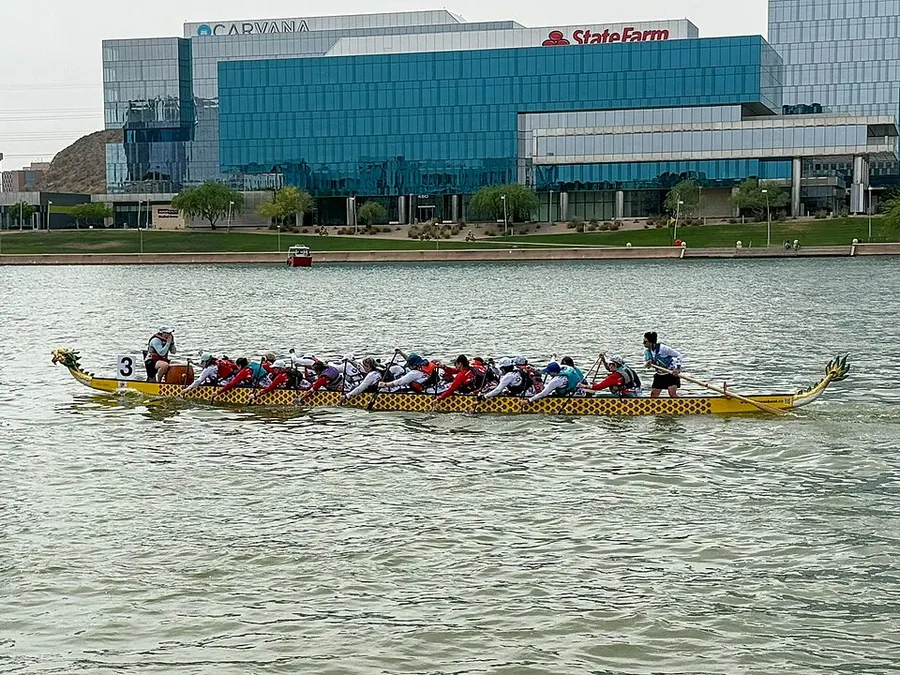
A standard racing dragon carries 20 paddlers, a drummer, and a steerer, with the longest hulls stretching past 12 metres. Crews sync each stroke to the drumbeat at up to 80 strokes per minute, and training seasons begin months before the fifth lunar month. The dragon boat paddling technique treats the boat as a single animal: it moves only when every paddle strikes the water as one.
05
From the Miluo to the World Cup
International federations now hold world championships with thousands of crews from more than 70 countries, and dragon boating has become one of the fastest-growing team sports in schools and corporate leagues abroad. The Fujian coastal race circuits still launch wooden boats carved in the old style alongside modern fiberglass hulls. Every crew that races, whatever its flag, repeats the rescue flotilla that once paddled onto the Miluo River.
06
The Pearl River Turns Racing Into Industry
The Pearl River Delta converted village dragon boat ritual into a professional racing economy. Foshan and Shunde clubs began hiring full-time paddlers in the 1990s, and Guangdong crews have dominated national championships since, supplying most athletes to the Chinese national team. The season centers on Duanwu but now stretches from April through October, with corporate sponsors paying entry fees that fund hull maintenance and coaching. Village races retain older stakes: the winner of certain Qing-era trophies earns the right to store the dragon head in its ancestral hall for the year, an honor worth more than prize money. Overseas Cantonese communities imported the format wholesale, and Hong Kong's 1976 festival grew into the circuit that later standardized international rules. The delta's network of Lingnan water towns remains the sport's talent pipeline, proving that an industrialized region can still run on village-level loyalty.