wb_sunnysummer5th day of 5th lunar month(May–June)
端午节
Dragon Boat Festival
Heritage Traditions
1 Items
Related Stories
0 Narratives
Season
summer
Lunar Calendar
5th day of 5th lunar month
menu_bookCultural Significance
A festival commemorating the poet Qu Yuan, featuring dragon boat races, zongzi (sticky rice dumplings), and the drinking of realgar wine.
Across China, this festival embodies the deep connection between celestial cycles and human
culture. Its rituals — passed down through countless generations — serve as a living archive
of agricultural knowledge, spiritual belief, and community bonds that define Chinese identity.
The sacred practices that define Dragon Boat Festival
cleaning_services
temple_buddhist
Purification Rites
Cleansing of homes and bodies to welcome blessings
restaurant
temple_buddhist
Ceremonial Feast
Traditional foods prepared with symbolic meaning
celebration
temple_buddhist
Public Processions
Community parades with music, dance, and lanterns
mapGeography of Tradition
One Festival, Many Hearts
Dragon Boat Festival is celebrated across China, with each region adding its unique
interpretation while honoring the core traditions. From bustling cities to remote
villages, the festival unites communities in shared remembrance and joy.
Imperial North
Bold, public, and stately. Known for grand processions and massive temple fairs.
Ancestral South
Intimate and scholarly. Emphasizing flower markets and complex clan rituals.
Dragon Boat Festival (Duanwu) fell on the fifth day of the fifth lunar month and carries the memory of Qu Yuan, the Chu-statesman poet who drowned himself in the Miluo River around 290 BCE. Legend says villagers raced out in boats to save him and threw rice into the water to feed him, origin stories for both the races and zongzi.
UNESCO inscribed the festival on the Representative List in 2009, making it the first Chinese festival so recognized, and the state restored it as a statutory public holiday in 2008. The International Dragon Boat Federation now counts more than seventy member associations, carrying a village ritual onto Olympic-style world championships.
handyman
What Happens on Duanwu
01
Racing the Drums
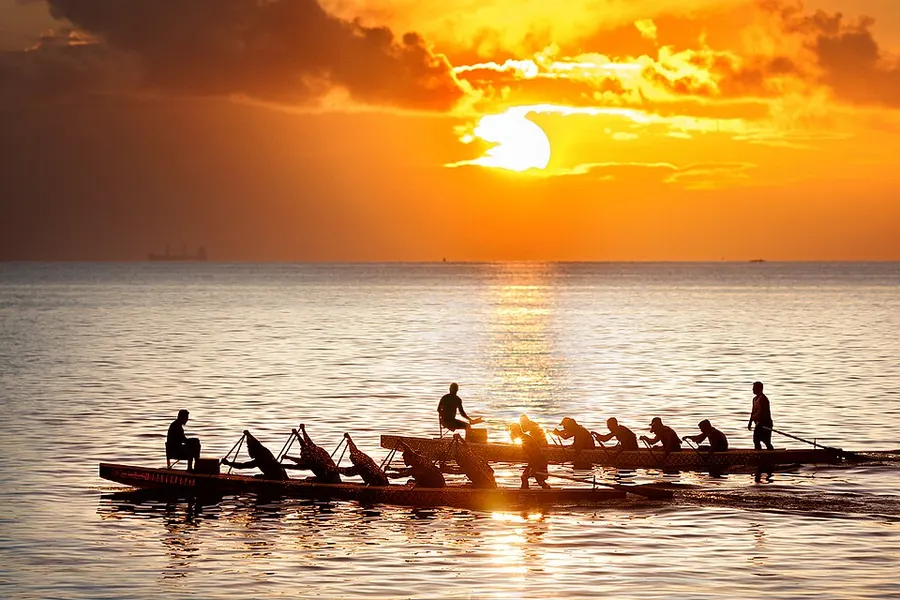
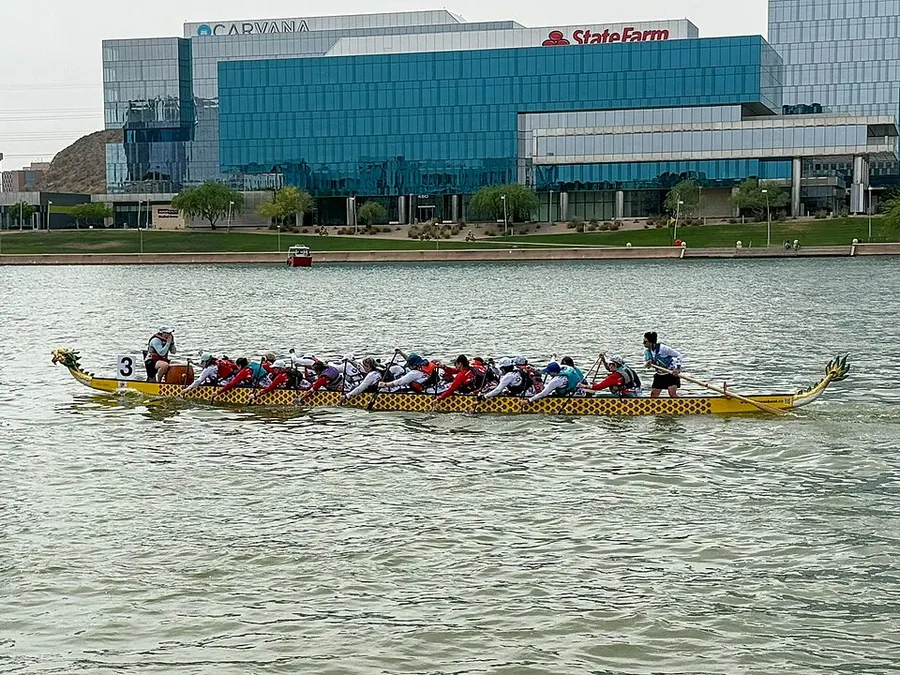
Crews of twenty paddlers, a drummer, and a steerer sprint twelve-meter hulls at roughly eighty strokes a minute; the modern sport grew straight from dragon boat racing technique.
02
Wrapping Zongzi
Glutinous rice, beans, salted yolk, or pork are folded into bamboo or reed leaves and boiled for hours, echoing the rice offerings thrown to the river.
03
Warding Off the Fifth Month
Mugwort and calamus hang on doors against summer insects, realgar wine marks thresholds, and children wear five-color thread bracelets cut loose after the first summer rain.
contact_support
Common Questions
Who was Qu Yuan?add
A fourth-century BCE poet-minister of the Chu state whose exile verse founded Chinese lyric poetry; his story anchors the legend behind the dragon boats.
When did Duanwu become a UNESCO item?add
In 2009, the first Chinese festival inscribed by UNESCO, three years after it returned to the national holiday calendar in 2008.
Why the fifth day of the fifth month?add
Traditional medicine counted midsummer as a dangerous turning point of heat and vermin, so the date accumulated protective customs from mugwort banners to perfume sachets.
smart_display
Watch & Learn
Oral Tradition
Stories & Legends
Narratives from the atlas graph that share origins, practitioners, or settings with this topic.
Qu Yuan was a loyal minister and poet of the Chu State during the Warring States period. After being exiled by a corrupt court, he drowned himself in the Miluo River in protest. Local fishermen raced out in boats to save him, beating drums to scare away fish and throwing zongzi into the water to feed his spirit. This is the origin of the Dragon Boat Festival.