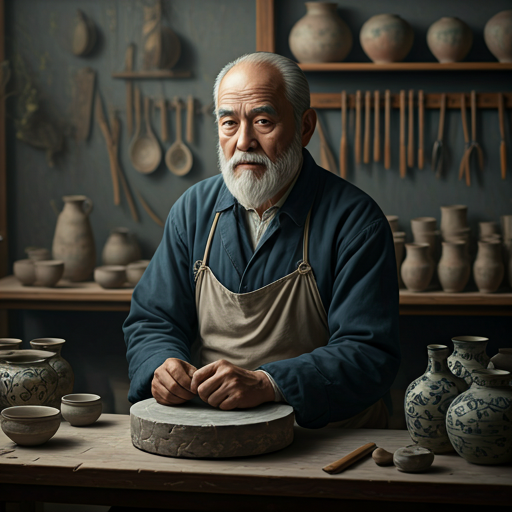
Traditional Sports
Martial arts, board games, and athletic traditions that cultivate both physical prowess and mental discipline.
The Alchemy of Form & Soul
Martial arts, board games, and athletic traditions that cultivate both physical prowess and mental discipline.
This category represents one of the fundamental pillars of China's intangible cultural heritage. From the imperial courts to village squares, these traditions have been refined over centuries, embodying the aesthetic ideals, spiritual values, and technical mastery of Chinese civilization.
KNOWLEDGE SNAPSHOT
- Primary Dynasties Tang, Song, Ming
- Key Materials Silk, Clay, Jade, Lacquer
- Representative Traditions Taijiquan (TaiDragon BoatChinese ChessBaduanjin Qigong
-
100% OF TRADITIONS CLASSIFIED AS LIVING HERITAGE
Iconic Traditional Sports Traditions
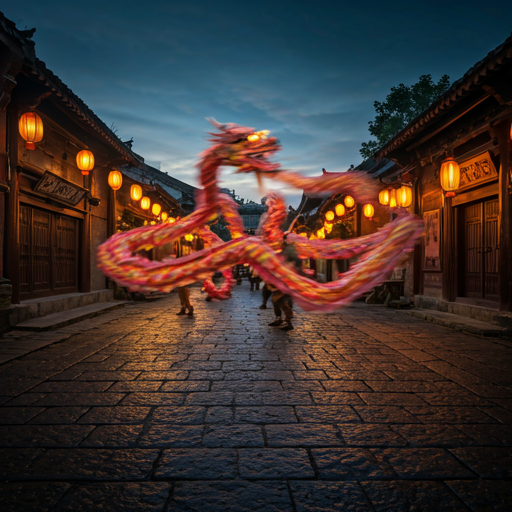
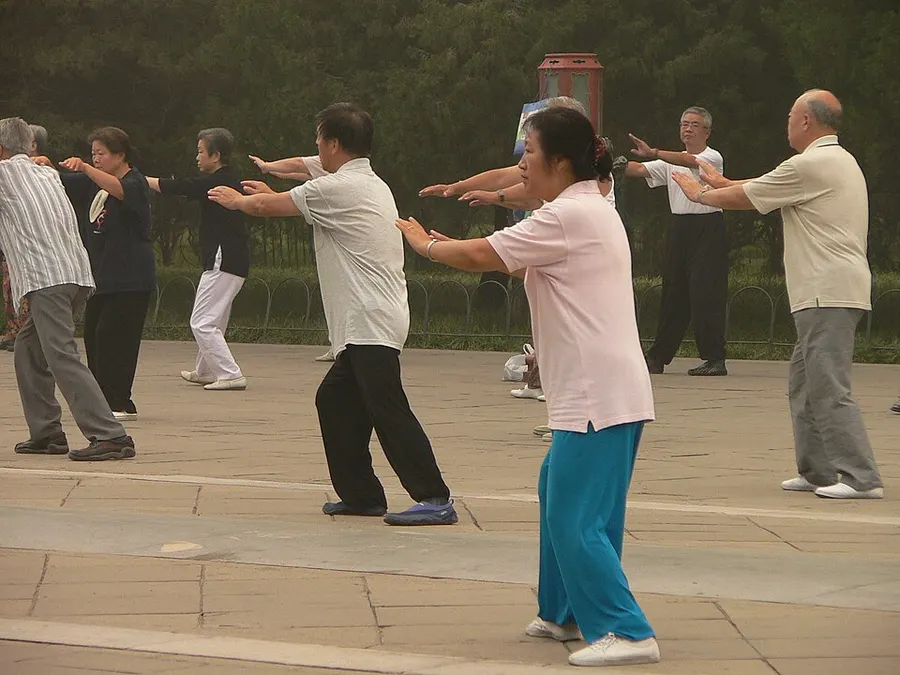
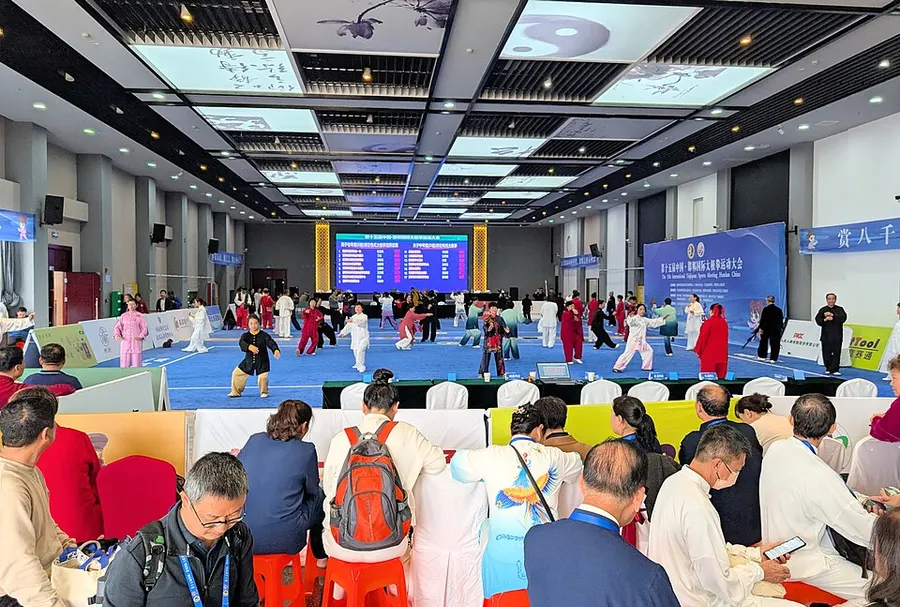
“A graceful martial art blending slow movement, meditation, and philosophy”
Taijiquan (Tai Chi)
Chenjiagou, 17th century CE · unesco
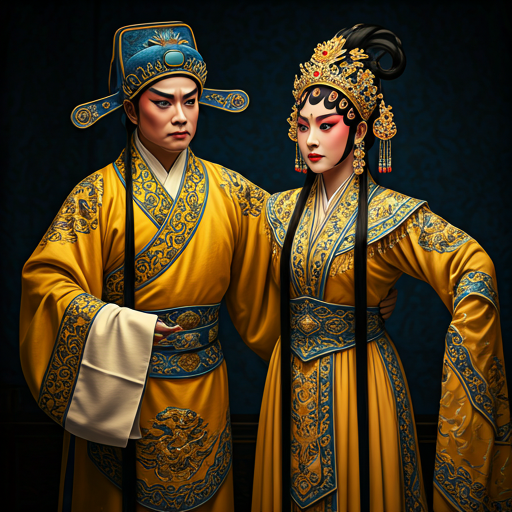
“A thrilling water sport where teams race dragon-decorated boats to the beat of drums — now a global phenomenon with Chinese roots”
Dragon Boat Racing
Warring States period (5th–3rd century BCE) · unesco
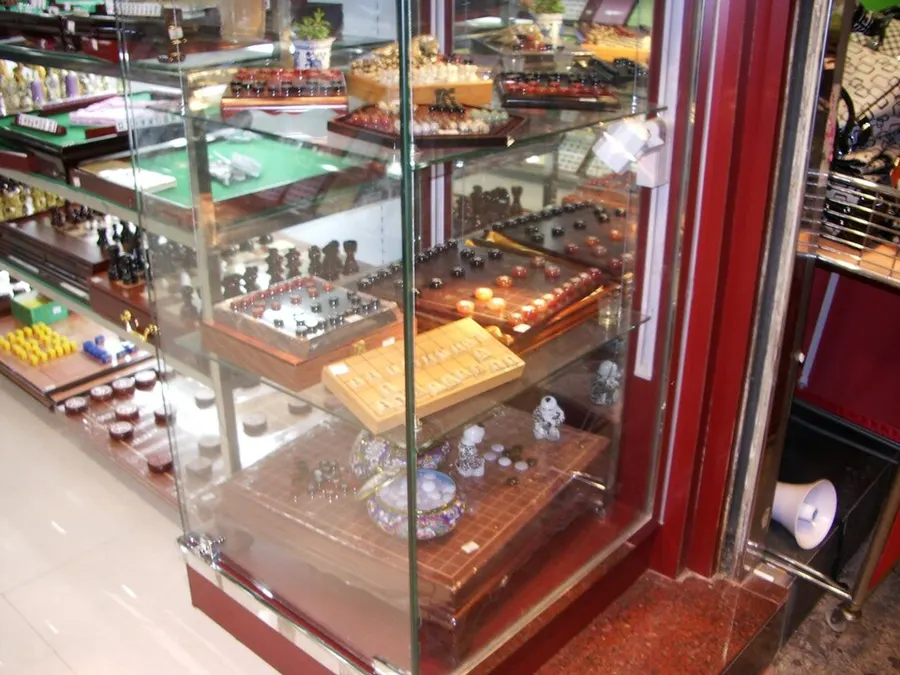
“China's ancient strategy board game, played by millions in parks and teahouses — a battle of wits across a river-divided board”
Chinese Chess (Xiangqi)
Northern Zhou Dynasty (557–581 CE) · national
The Craft Constellation
Discover the hidden threads connecting regional materials to ancestral techniques. This graph maps the symbiotic relationship between local ecosystems and the crafts they birthed.
REQUIRES GRAPHICS ACCELERATION
Masters & Keepers
“ We do not own these crafts; we are merely their current custodians. To weave is to remember. To carve is to honor the ancestors who discovered the secrets of the wood. — MASTER WEAVER LI, SUZHOU
Behind every artifact is a living master who has dedicated a lifetime to the pursuit of perfection. Our program documents these individuals through high-resolution video and oral history archives.
MEET THE MASTERSThe Evolution of Form
206 BCE – 220 CE
Emergence of advanced lacquerware and the formalized Silk Road trade routes.
960 – 1279 CE
Peak of ceramic minimalism. Celadon and Ru wares define imperial elegance.
1368 – 1644 CE
Blue and white porcelain reaches global perfection. Advanced furniture joinery develops.
1644 – 1912 CE
Elaborate ornamentation and technical mastery in cloisonné and jade carving.
The Full Archive
Taijiquan (Tai Chi)
Chenjiagou, 17th century CE · unesco
Dragon Boat Racing
Warring States period (5th–3rd century BCE) · unesco
Chinese Chess (Xiangqi)
Northern Zhou Dynasty (557–581 CE) · national
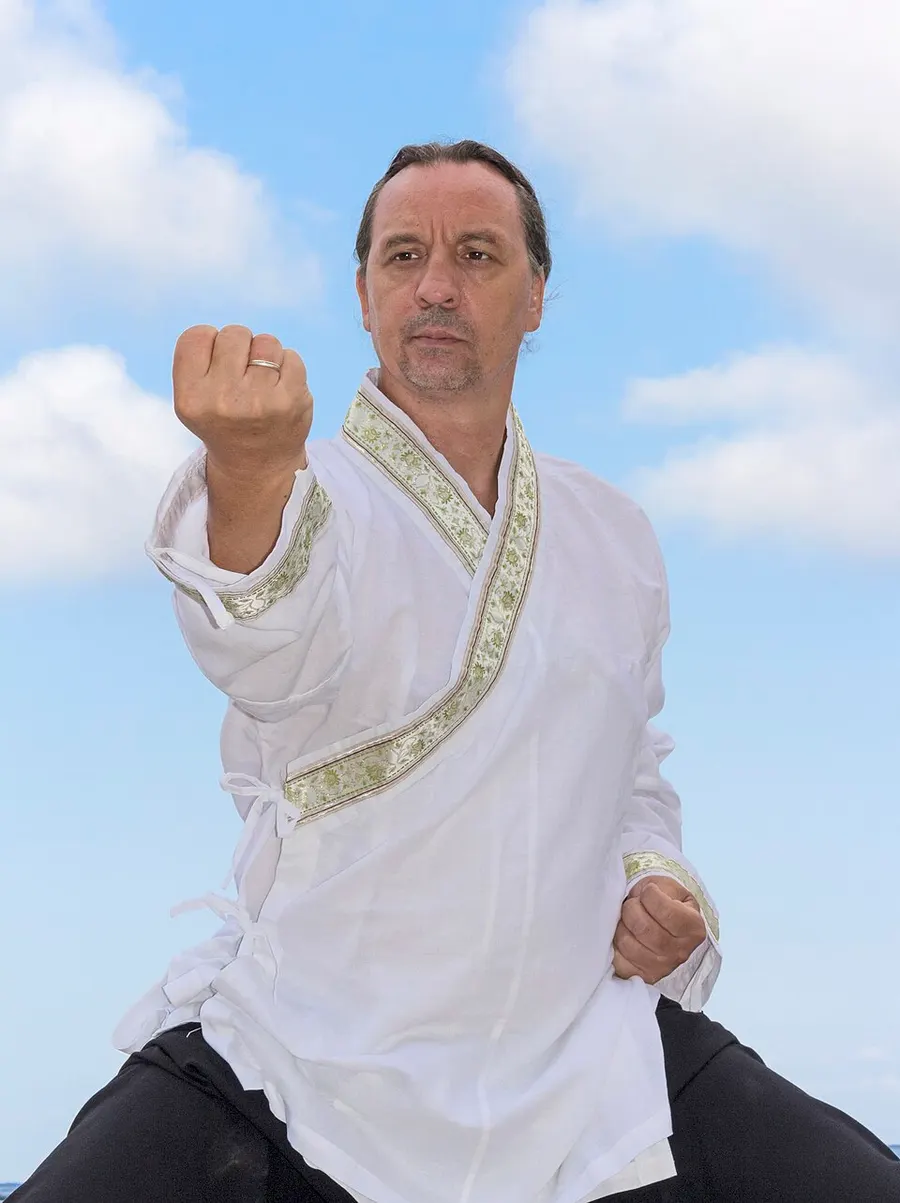
Baduanjin Qigong
Song Dynasty (960–1279 CE) · national
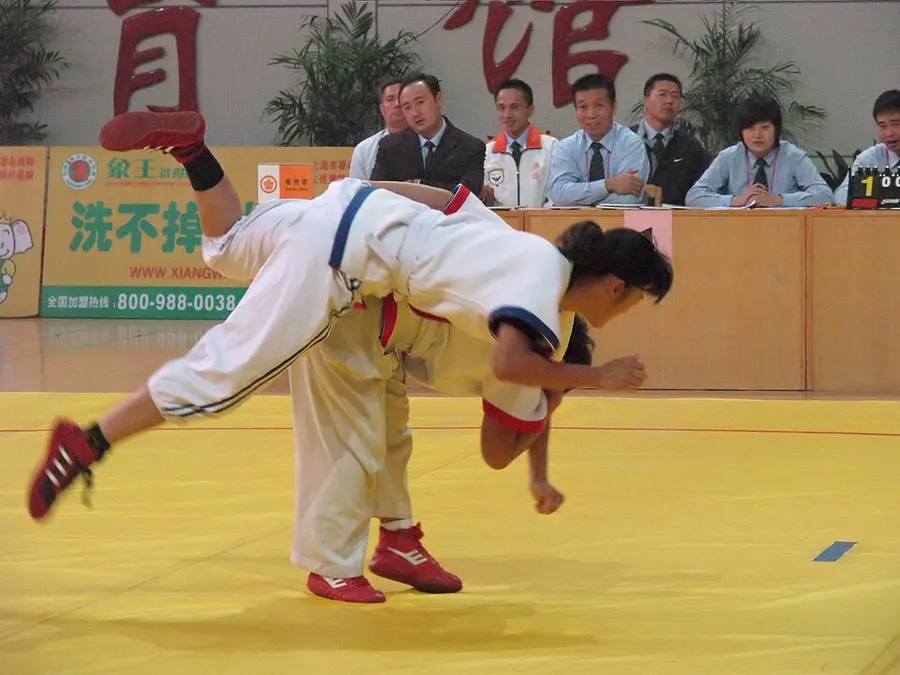
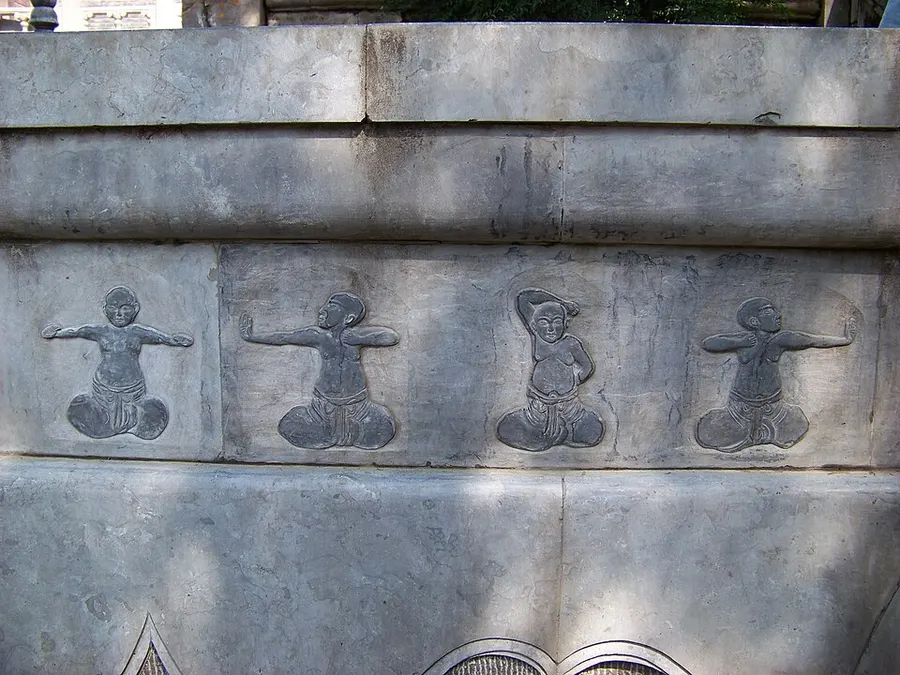
Chinese Wrestling (Shuai Jiao)
Xia Dynasty (c. 2000 BCE), oracle bone records · national
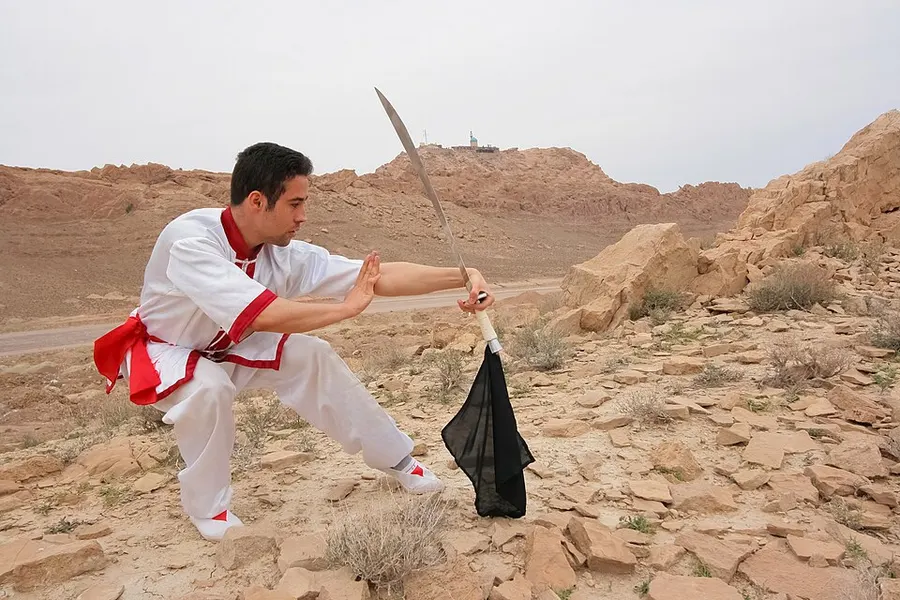
Chinese Kung Fu (Wushu)
Shang Dynasty (1600–1046 BCE), codified at Shaolin Monastery c. 495 CE · national
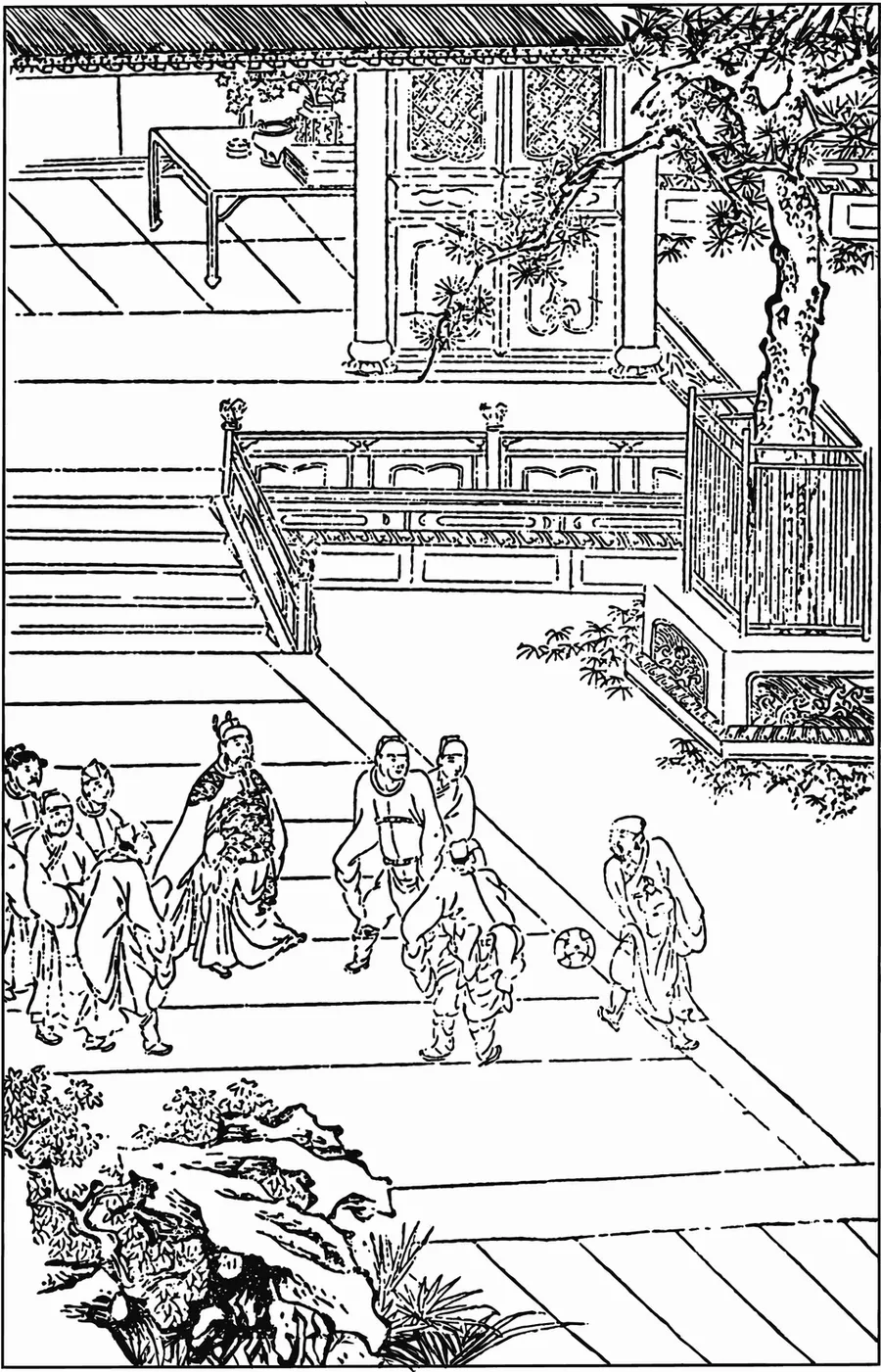
Cuju (Ancient Chinese Football)
Warring States period (5th–3rd century BCE) · national
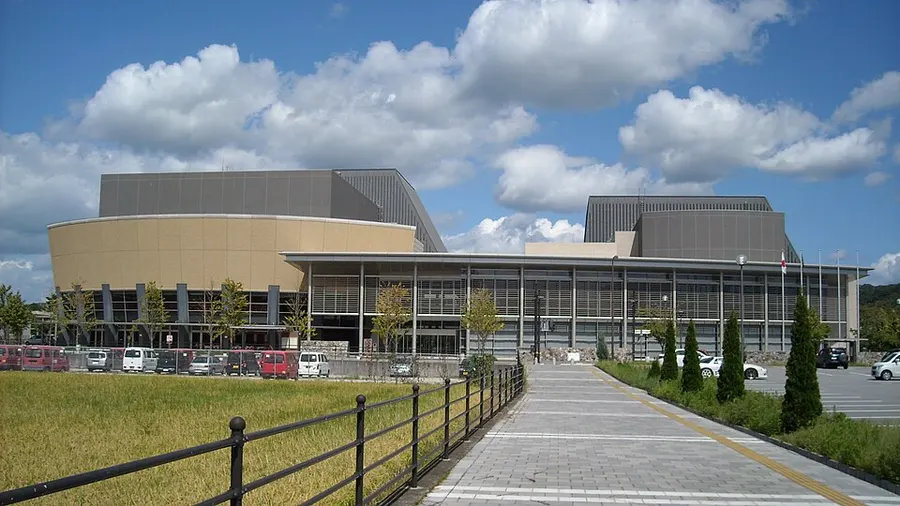
Sanda (Chinese Kickboxing)
Ming Dynasty (1368–1644 CE) · national
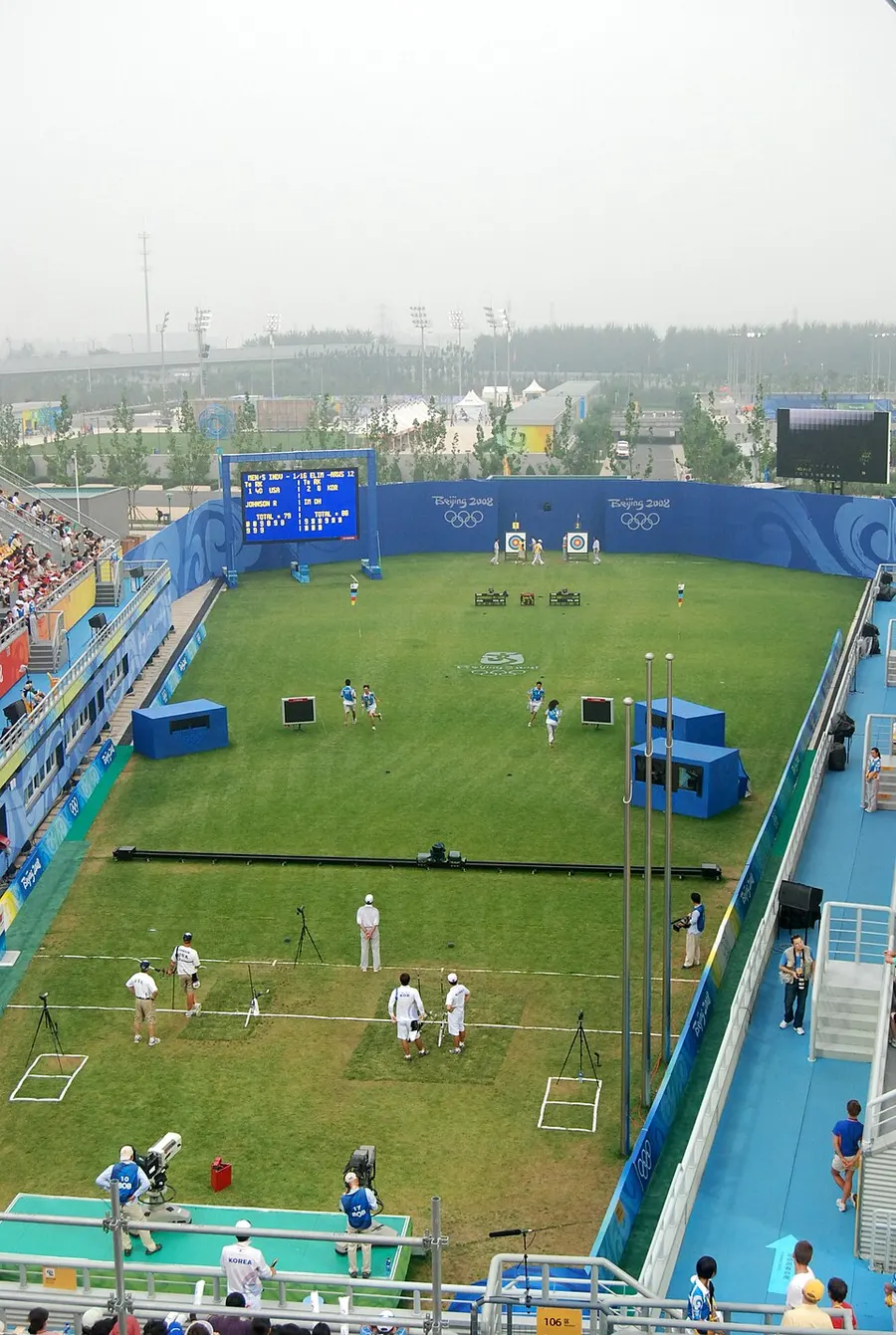
Traditional Chinese Archery
Zhou Dynasty (1046–256 BCE) · national

Duanquan (Short Punch Boxing)
Ming Dynasty (1368–1644 CE) · national