
Yu Chengjun
于成军
Yu Chengjun is a Sanda coach and master from Beijing who has trained multiple national champions in Chinese kickboxing. A former national Sanda champion himself, he developed a comprehensive training…
Yu Chengjun is a Sanda coach and master from Beijing who has trained multiple national champions in Chinese kickboxing. A former national Sanda champion himself, he developed a comprehensive training methodology combining traditional martial arts conditioning with modern sports science approaches.
Heritage DNA
Classification
National Inheritor
Status
active
Year of Birth
1970
Age
56 years
Location
Beijing
Region
North China
Next Master
Li Xiangting
李祥霆
See the Craft
in Motion
The Cultural Network
Heritage is not a static artifact; it is a living web. Our mapping engine traces the cross-pollination of techniques across three millennia, revealing how Yu's thread vibrates through the broader tapestry.
Territories of
Heritage
Geography shapes identity. Journey through the historical corridors that defined a civilization, from the arid Silk Road to the lush Tea Horse Road.
Beijing
North China
The Living Masters
The true archive of heritage is found in the hands and minds of those who refuse to let the fire die out.
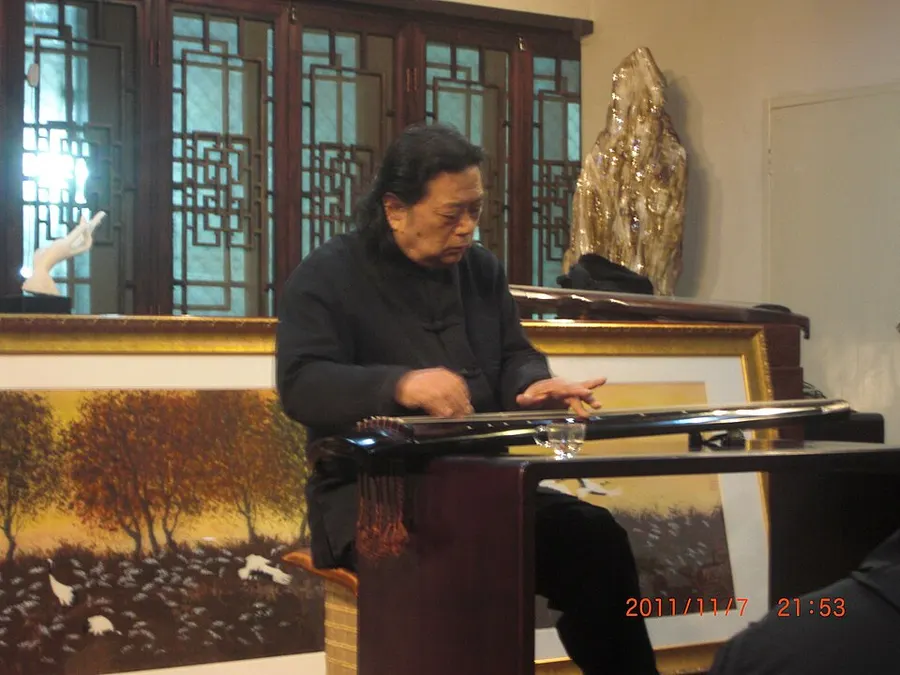
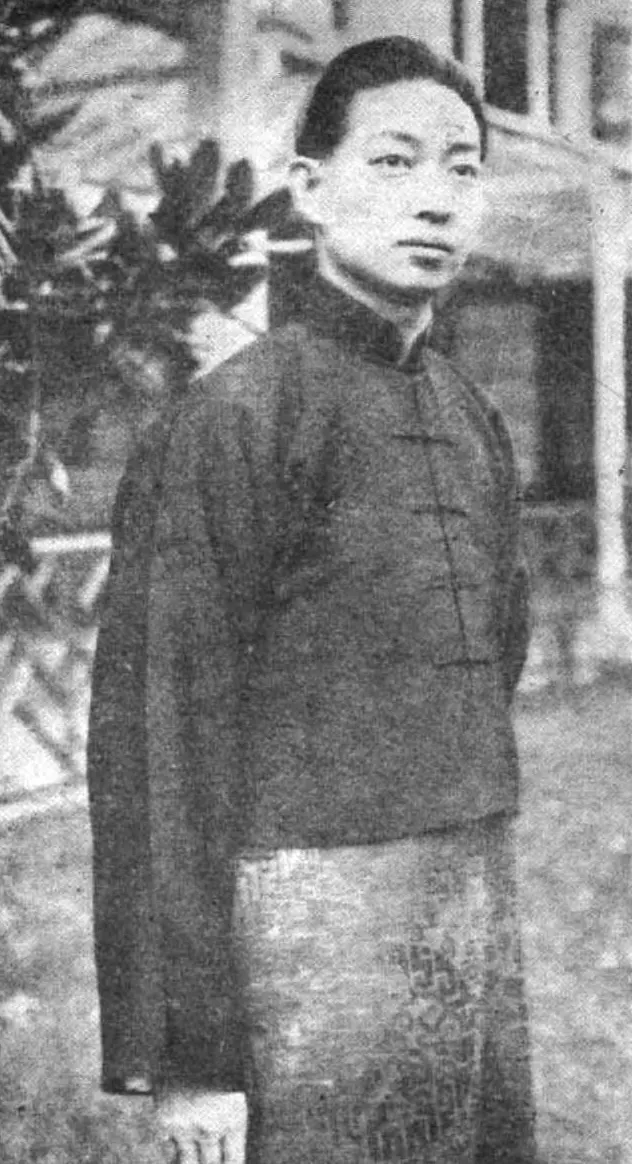
How Yu Chengjun connects to the broader network of heritage.
The Atlas is Living
Every master is a living archive. Join a collective of explorers, artisans, and scholars dedicated to tracing the vibrant pulse of our shared world.
History & Development
Sanda emerged when China's martial arts authorities began rule-based full-contact experimentation in 1979, combining kickboxing ranges with legal throw-and-takedown technique on a raised platform called the leitai, restoring the challenge-match arena tradition of earlier centuries under modern safety governance.
The sport standardized weight classes, round structures, and protection rules through the following decades, entered Asian Games programming, and champions including Yu Chengjun came to embody the national-team pipeline that feeds world championships governed by the International Wushu Federation.
Cultural Traditions
-
Platform Ring Culture
Leitai competition inherits the open-challenge ethos of historical challenge platforms while enforcing medical supervision and weighted-class fairness.
-
Catch-Kick Counter System
Distinctive sanda technique catches incoming kicks and converts them into sweeps or throws, rewarding timing study over pure striking volume.
-
Wushu Base Conditioning
Athletes build flexibility and form vocabulary from traditional routines first, then layer contact application, keeping the art linked to its heritage movements.
Common Questions
How is sanda different from kickboxing?
Sanda scores throws and platform-edge pushes alongside strikes, and its catch-counter exchanges create phases of play unknown to pure kickboxing rules.
Is ground fighting included?
Action restarts after takedowns rather than continuing on the floor, preserving stand-up dynamics as the sport's defining constraint.