
Mei Baojiu
梅葆玖
Mei Baojiu was the son of Mei Lanfang and the primary heir of the Mei School of Peking Opera. Born into the Mei family, he dedicated his life to preserving and transmitting his father's artistic…
Mei Baojiu was the son of Mei Lanfang and the primary heir of the Mei School of Peking Opera. Born into the Mei family, he dedicated his life to preserving and transmitting his father's artistic legacy. He was a founding member of the Beijing Peking Opera Company and trained a new generation of dan (female role) performers. His passing marked the end of the direct Mei lineage.
Heritage DNA
Classification
National Inheritor
Status
deceased
Year of Birth
1934
Age
92 years
Location
Beijing
Region
North China
Next Master
Mei Lanfang
梅兰芳
See the Craft
in Motion
The Cultural Network
Heritage is not a static artifact; it is a living web. Our mapping engine traces the cross-pollination of techniques across three millennia, revealing how Mei's thread vibrates through the broader tapestry.
Territories of
Heritage
Geography shapes identity. Journey through the historical corridors that defined a civilization, from the arid Silk Road to the lush Tea Horse Road.
Beijing
North China
The Living Masters
The true archive of heritage is found in the hands and minds of those who refuse to let the fire die out.
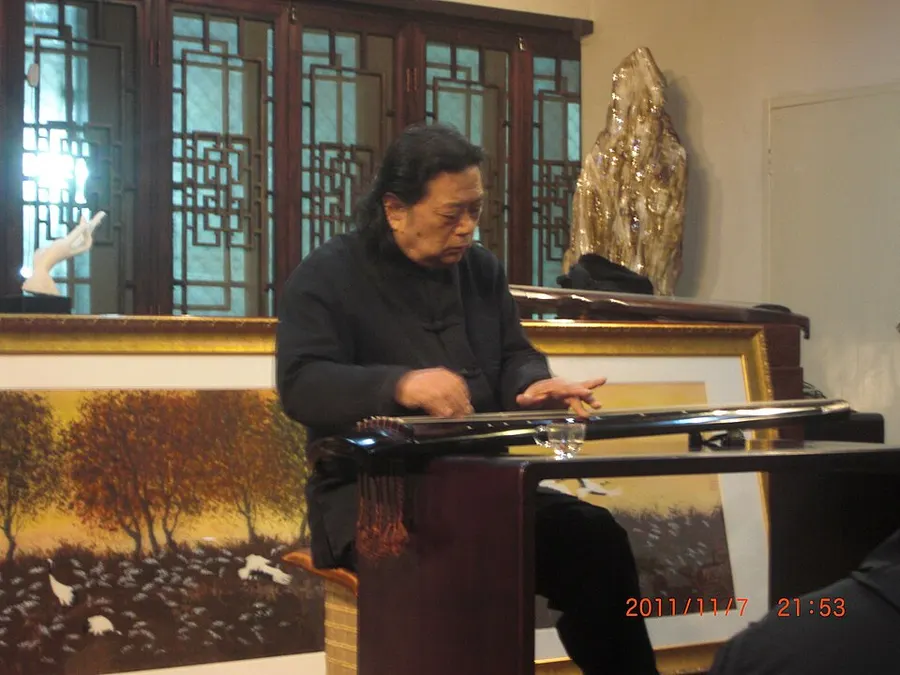
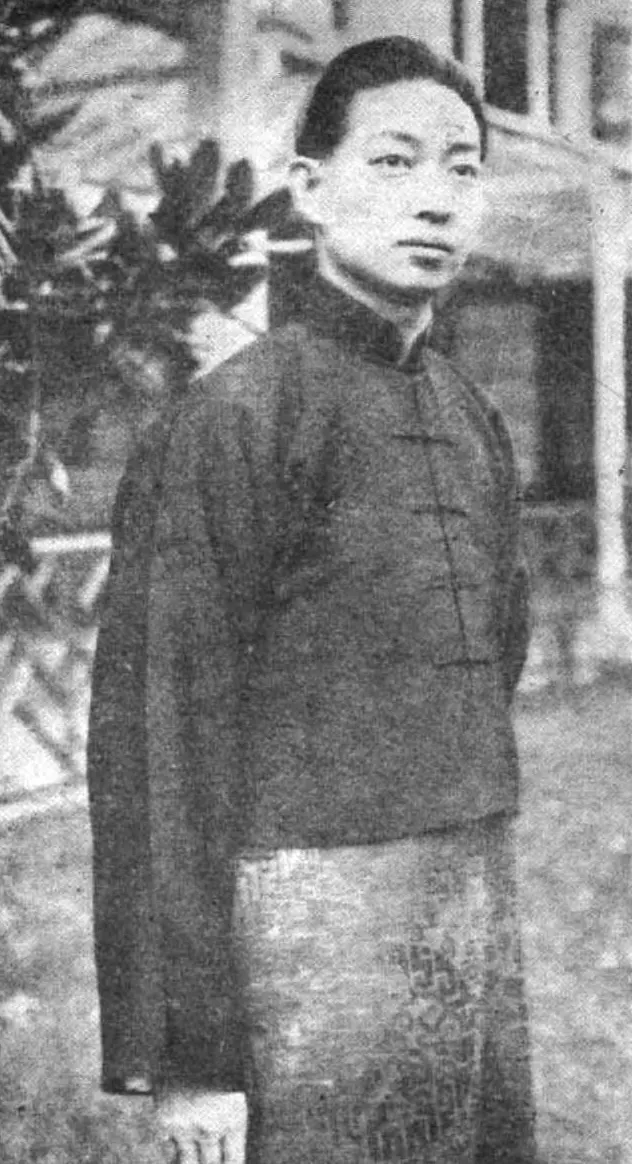
How Mei Baojiu connects to the broader network of heritage.
The Atlas is Living
Every master is a living archive. Join a collective of explorers, artisans, and scholars dedicated to tracing the vibrant pulse of our shared world.
History & Development
Mei Baojiu (1934-2016), ninth child of Mei Lanfang, devoted seventy years to performing and preserving his father's dan-role repertoire. He assumed artistic leadership of the Mei school after 1961, restoring full-length productions that had been fragmented during decades of repertoire upheaval.
He championed recorded documentation late in life, filming complete versions of The Drunken Beauty and other cornerstones so that students could study authentic phrasing directly. His death in 2016 prompted nationwide tribute, reflecting his role as the living link between Peking Opera's golden age and its modern academy system.
Cultural Traditions
-
Mei School Vocal Style
The Mei voice balances lyric sweetness with structural precision, requiring breath support that sustains long melismas across the high registers of jinghu accompaniment.
-
Restoration Practice
Reconstructing historical stagings involves cross-checking recordings, costume inventories, and elder memory, a scholarly method Mei Baojiu institutionalized for his successors.
-
Cross-Generational Teaching
He taught privately and at the National Academy of Chinese Theatre Arts, certifying disciples through formal baishi ceremonies that bind students to lineage accountability.
Common Questions
How did Mei Baojiu differ from his father as a performer?
He inherited the repertoire and aesthetic but developed a slightly warmer vocal color, and he focused on faithful preservation rather than creating new works, arguing restoration was the era's duty.
Where can I see the Mei school tradition performed?
Peking Opera troupes in Beijing and Shanghai maintain Mei-school productions in rotating repertoire, and our story pages trace the school's history.