
Wen Shizhen
文时珍
Wen Shizhen is a senior practitioner of Traditional Chinese Medicine and herbal pharmacology in Beijing. A descendant of a lineage of TCM doctors spanning seven generations, he specializes in herbal…
Wen Shizhen is a senior practitioner of Traditional Chinese Medicine and herbal pharmacology in Beijing. A descendant of a lineage of TCM doctors spanning seven generations, he specializes in herbal formulations for chronic diseases. He serves as a chief physician at the China Academy of Chinese Medical Sciences and has published extensively on classical herbal texts.
Heritage DNA
Classification
National Inheritor
Status
active
Year of Birth
1950
Age
76 years
Location
Beijing
Region
North China
Next Master
Li Xiangting
李祥霆
See the Craft
in Motion
The Cultural Network
Heritage is not a static artifact; it is a living web. Our mapping engine traces the cross-pollination of techniques across three millennia, revealing how Wen's thread vibrates through the broader tapestry.
Territories of
Heritage
Geography shapes identity. Journey through the historical corridors that defined a civilization, from the arid Silk Road to the lush Tea Horse Road.
Beijing
North China
The Living Masters
The true archive of heritage is found in the hands and minds of those who refuse to let the fire die out.
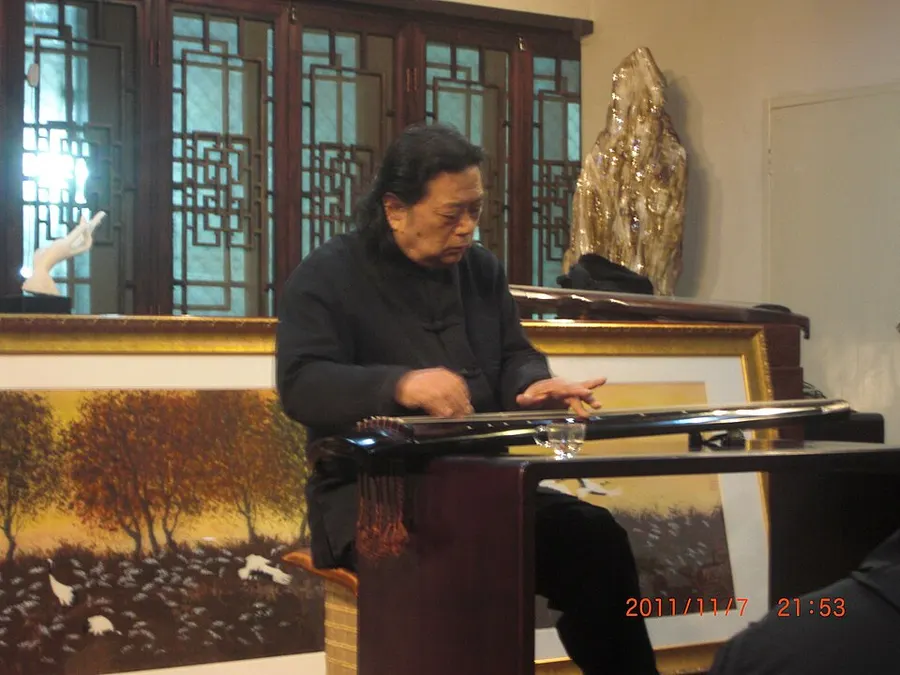
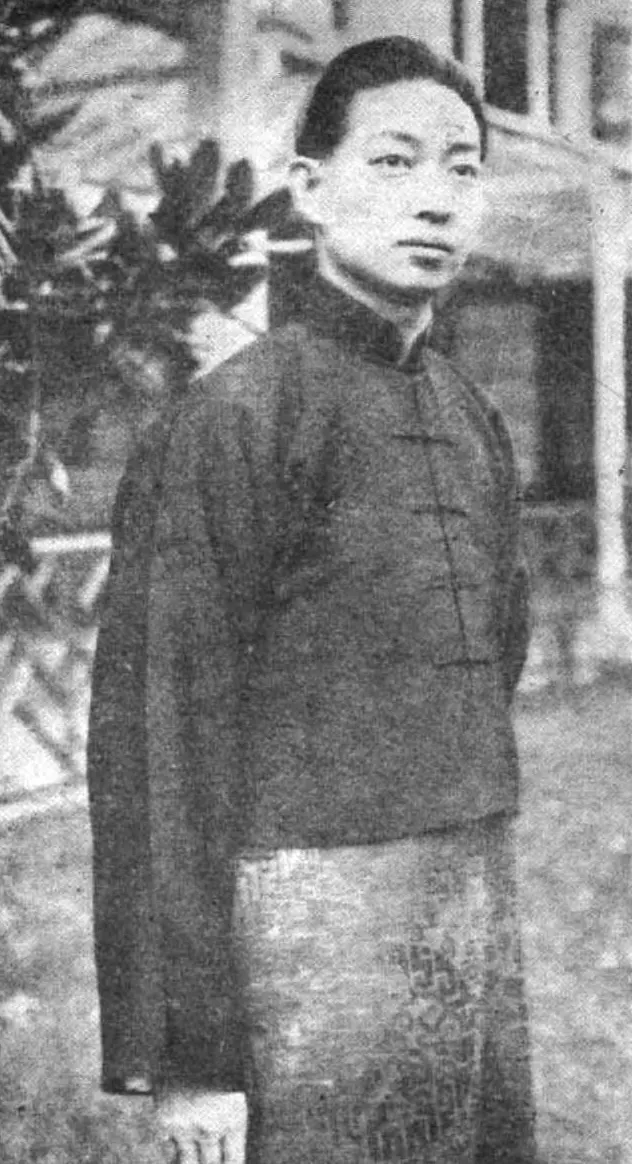
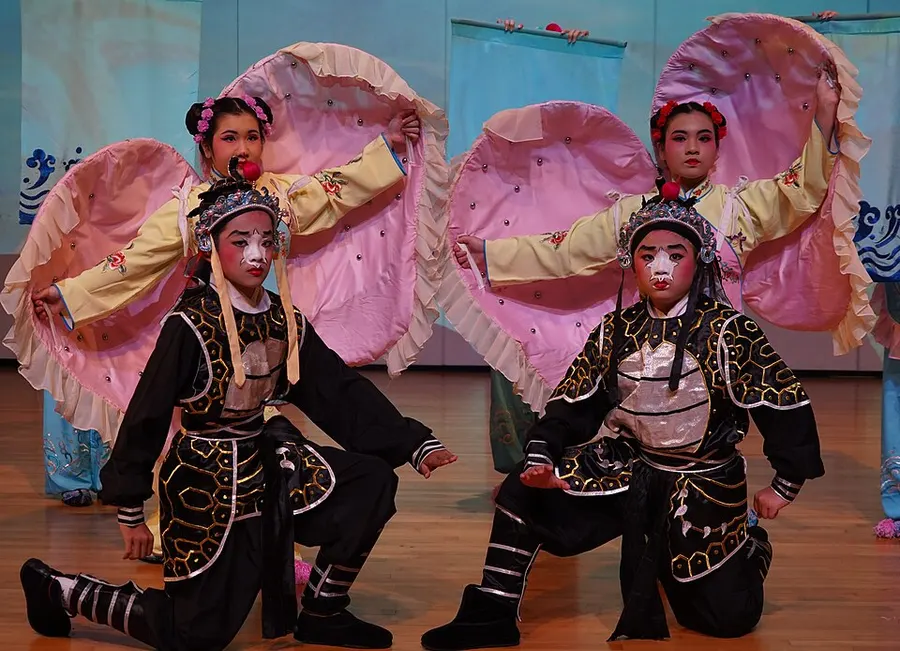
How Wen Shizhen connects to the broader network of heritage.
The Atlas is Living
Every master is a living archive. Join a collective of explorers, artisans, and scholars dedicated to tracing the vibrant pulse of our shared world.
History & Development
Wen Shizhen represents Chinese herbal medicine practice in Beijing, where pharmacy counters and formula libraries have operated continuously for centuries. Traditional Chinese medicine organizes materia medica into categories of taste, temperature, and meridian affinity, a system consolidated in the Bencao Gangmu of 1578, which catalogued 1,892 substances.
As a national-level inheritor, Wen maintains diagnostic and compounding disciplines that hospital standardization has eroded elsewhere. His practice emphasizes classical formula modification for individual constitution, the core skill that distinguishes trained herbalists from mass-produced patent remedies.
Cultural Traditions
-
Formula Architecture
Prescriptions follow jun-chen-zuo-shi hierarchy, assigning sovereign, minister, assistant, and courier roles to herbs so combinations amplify efficacy while suppressing toxicity.
-
Counter Compounding
Pharmacy apprentices memorize hundreds of raw materials by sight, smell, and texture, learning to detect adulterants that machine sorting misses.
-
Constitutional Diagnosis
Practitioners integrate pulse reading, tongue inspection, and case history into pattern differentiation, tailoring each formula to the patient rather than the disease label.
Common Questions
How is herbal medicine quality controlled traditionally?
Masters train sensory identification of authenticity and grade, skills codified in pharmacopoeias and still examined formally; see Chinese herbal medicine for the fuller system.
Is TCM recognized internationally?
Yes, the WHO included traditional medicine chapters drawn from Chinese diagnostics in ICD-11 effective 2019, a milestone for institutional recognition.