Traditional Medicine
Beijing, North China
Warring States period (5th–2nd century BCE)
Representative List
Lineage Transmission
Oral Tradition
Acupuncture and Moxibustion
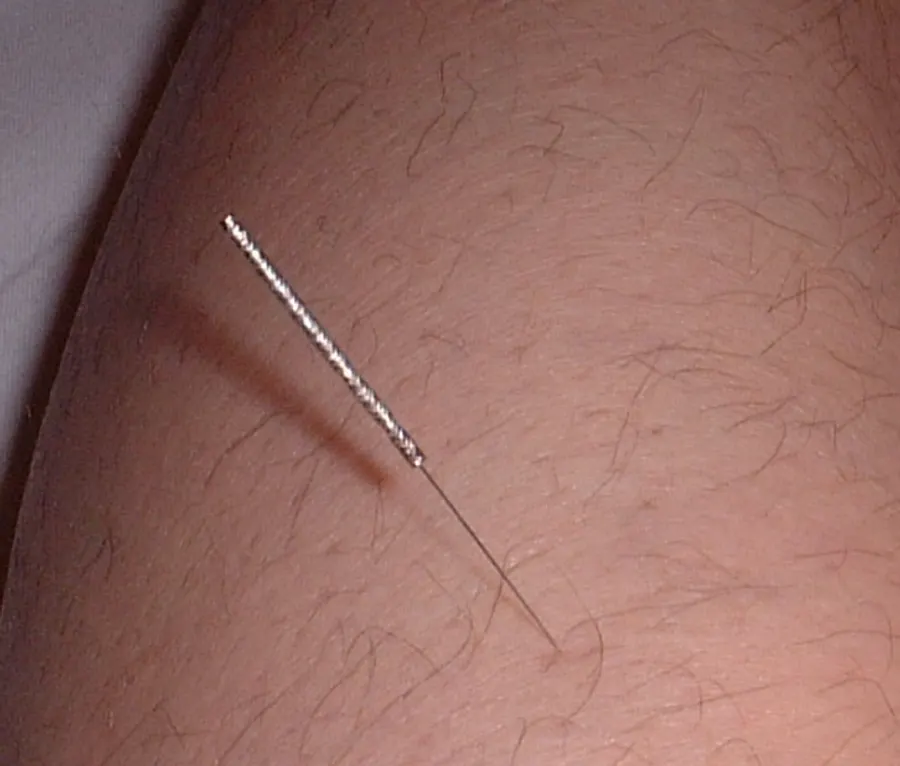
"A 2,500-year-old medical practice using fine needles to restore energy balance. Now practiced worldwide for pain relief and wellness."
CIVILIZATION CONTEXT
CROSS-SITE REFERENCES
TheWayOfNatureAtlas
Embodied Adaptation: The Body's Wisdom
Acupuncture as the ultimate expression of the body's adaptive intelligence
MissingUmami
Herbal Support for Acupuncture Treatments
Medicinal ingredients commonly paired with acupuncture for enhanced healing
DaoOfSeasons
Meridian Theory and Natural Cycles
How acupuncture meridian theory aligns with the seasonal energy of solar terms
This artifact is part of the Intangible Heritage Cluster. It connects to 19 entities across the atlas, spanning 1 region, 0 masters, 0 festivals, and 0 skills.
Acupuncture and Moxibustion: A Living Heritage
Acupuncture and moxibustion are core components of Traditional Chinese Medicine, involving the insertion of fine needles at specific points on the body to regulate energy flow (qi) and restore health. With a history spanning over 2,500 years, these practices have gained global recognition and are used worldwide for pain management, stress relief, and preventive healthcare.
Centuries
Years of Unbroken Lineage
0
Related Cultural Vectors
History & Development
Needle therapy entered written medicine through the Huangdi Neijing, whose Lingshu chapters compiled point locations and needling methods by the second century BCE. In 1026 the court physician Wang Weiyi cast bronze statues marked with 354 points so examination candidates could prove accuracy, publishing an illustrated canon alongside them.
Western interest surged after journalist James Reston described post-surgery pain relief with needles in The New York Times in 1971. WHO reviews later listed dozens of conditions with trial evidence of benefit, and UNESCO inscribed acupuncture and moxibustion of traditional Chinese medicine on the Representative List in November 2010.
How It Is Made
- 01
Reading pulse and tongue
Practitioners take three positions on each wrist and inspect tongue coating to map internal patterns before any needle is chosen.
- 02
Locating points precisely
Points sit at measured body proportions called cun; locating them combines anatomical landmarks with fingertip sensitivity for tissue change.
- 03
Inserting and stimulating
Sterile filiform needles enter at controlled angles, then are lifted or twirled until deqi, a spreading heaviness around the point, confirms engagement.
- 04
Adding moxa or cups
Moxa cones warm points for deficiency patterns, and suction cups follow along channels when stagnation symptoms dominate the diagnosis.
Common Questions
Does needling hurt?
Modern needles are hair-thin, so entry usually feels like a tap followed by warmth or pressure. Deqi sensation signals therapeutic contact rather than injury.
Is it safe?
Licensed clinics use single-use sterile needles, making infection risk negligible. Reported adverse events concentrate around untrained practice rather than regulated treatment.
How many sessions are typical?
Acute complaints often respond within three to five visits, while chronic patterns run weekly courses of eight to twelve sessions with reassessment between blocks.
Watch & Learn
Stories & Legends
Acupuncture: The Map of Energy
historicalThin needles, deep wisdom: the 2,000-year-old map of meridians.
Medicine Without Borders: TCM's Ancient Wisdom
historicalA system of medicine that views the human body as a microcosm of the universe.
The Dragon Boat Festival: Memory, River, Nation
historicalA poet's sacrifice became a nation's memory, celebrated every summer.
Related Places
Relationship Constellation
Tracing the invisible threads that connect Acupuncture and Moxibustion to the broader civilization ecosystem.
Continue the Journey
Acupuncture and Moxibustion
Traditional Medicine
Peking Opera
Traditional Drama
arrow_forwardChinese Shadow Puppetry
Traditional Drama
arrow_forwardWooden Arch Bridge Construction
Traditional Crafts
arrow_forward