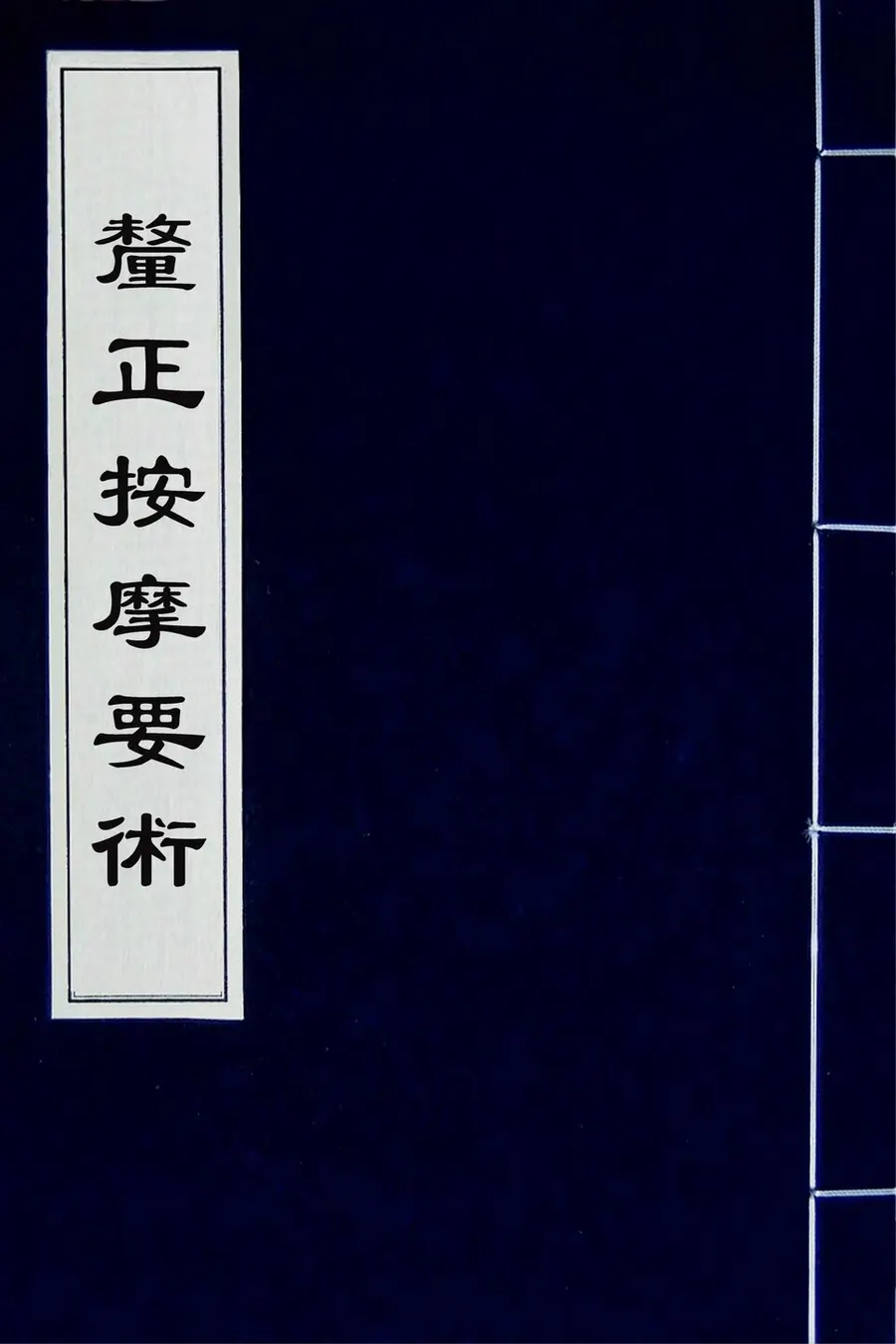
Traditional Medicine
Beijing, North China
Warring States period (5th–2nd century BCE)
National Heritage
Lineage Transmission
Oral Tradition
Tuina Massage
"A therapeutic Chinese massage system combining rhythmic compression, meridian theory, and joint manipulation for medical treatment."
CIVILIZATION CONTEXT
This artifact is part of the Intangible Heritage Cluster. It connects to 11 entities across the atlas, spanning 1 region, 0 masters, 0 festivals, and 0 skills.
Tuina Massage: A Living Heritage
Tuina is a form of Chinese therapeutic massage that uses rhythmic compression, kneading, and manipulation along the body's energy meridians. Unlike relaxation massage, tuina is a medical treatment used for musculoskeletal conditions, stress disorders, and pediatric ailments. Techniques include pressing (an), kneading (rou), rolling (gun), and joint manipulation. It has been practiced for over 2,000 years and is covered by China's national health insurance.
Centuries
Years of Unbroken Lineage
0
Related Cultural Vectors
History & Development
Tuina is therapeutic bodywork within Chinese medicine, using rolling, pressing, grasping, and kneading along channels and points to free circulation and ease musculoskeletal pain. The Tang medical college ran a dedicated massage department training court therapists, and Ming paediatricians systematised infant routines that mothers still request in clinics today.
Modern Chinese hospitals operate tuina departments beside orthopaedics, and universities grant degrees in the specialisation, with technique manuals naming dozens of hand methods. Sessions typically pair with herbal plasters or acupuncture courses, keeping the hands-on branch embedded in mainstream care rather than spa culture.
How It Is Made
- 01
Palpating the channels
Practitioners read muscle tone, temperature, and tenderness along pathways before touching a single point, letting tissue findings steer the session.
- 02
Rolling with the back of the hand
The signature gun fa rolls rhythmically across large muscle groups, warming tissue and loosening adhesions without bruising.
- 03
Pressing and grasping points
Fingers sink into acupoints with graded pressure, holding until the deqi-like sensation confirms engagement, mirroring needle logic described in acupuncture treatment.
- 04
Closing with passive movement
Stretches and gentle joint mobilisations restore range while the practitioner reassesses symmetry against the opening findings.
Common Questions
Is tuina the same as ordinary massage?
Both relax muscles, but tuina follows channel diagnosis and point protocols, so two sessions for the same complaint may touch completely different regions.
What conditions respond best?
Neck and shoulder stiffness, lumbar strain, sports injuries, and paediatric digestive complaints fill clinic books, always after pattern assessment described in TCM diagnostic methods.
Does it hurt?
Deep work finds sore spots, but practitioners grade pressure to tolerance; mild next-day ache resembles post-exercise soreness rather than injury.
Watch & Learn
Stories & Legends
Medicine Without Borders: TCM's Ancient Wisdom
historicalA system of medicine that views the human body as a microcosm of the universe.
Acupuncture: The Map of Energy
historicalThin needles, deep wisdom: the 2,000-year-old map of meridians.
Related Places
Relationship Constellation
Tracing the invisible threads that connect Tuina Massage to the broader civilization ecosystem.
Continue the Journey
Tuina Massage
Traditional Medicine
Chinese Wrestling (Shuai Jiao)
Traditional Sports
arrow_forwardUyghur Muqam of Xinjiang
Traditional Music
arrow_forwardChinese Herbal Medicine
Traditional Medicine
arrow_forward