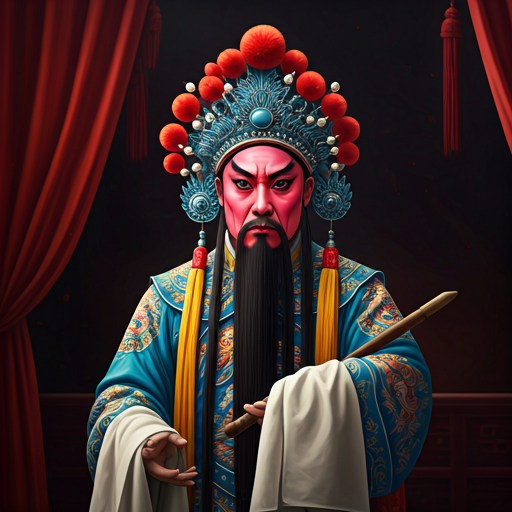
Traditional Drama
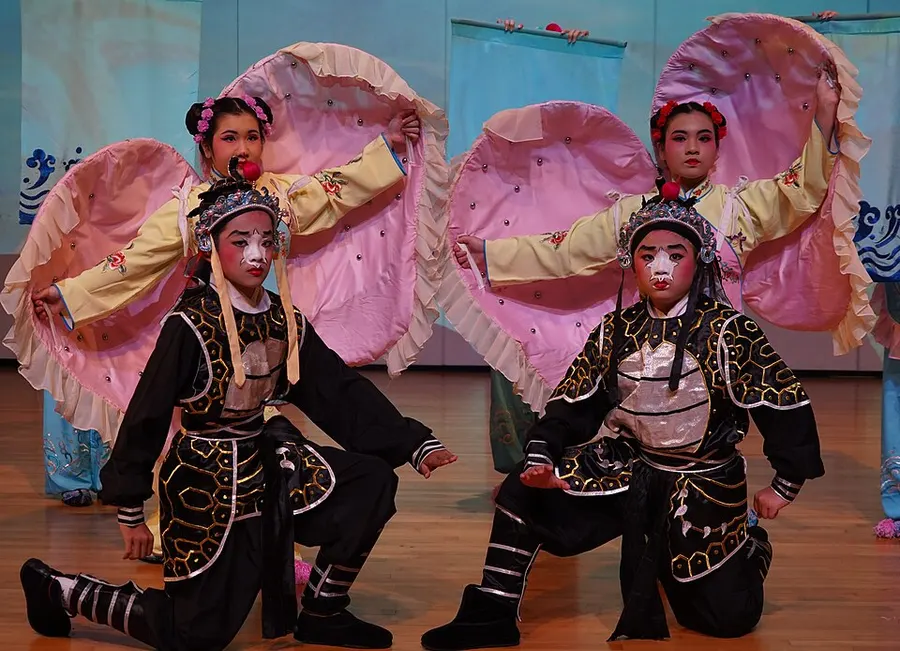
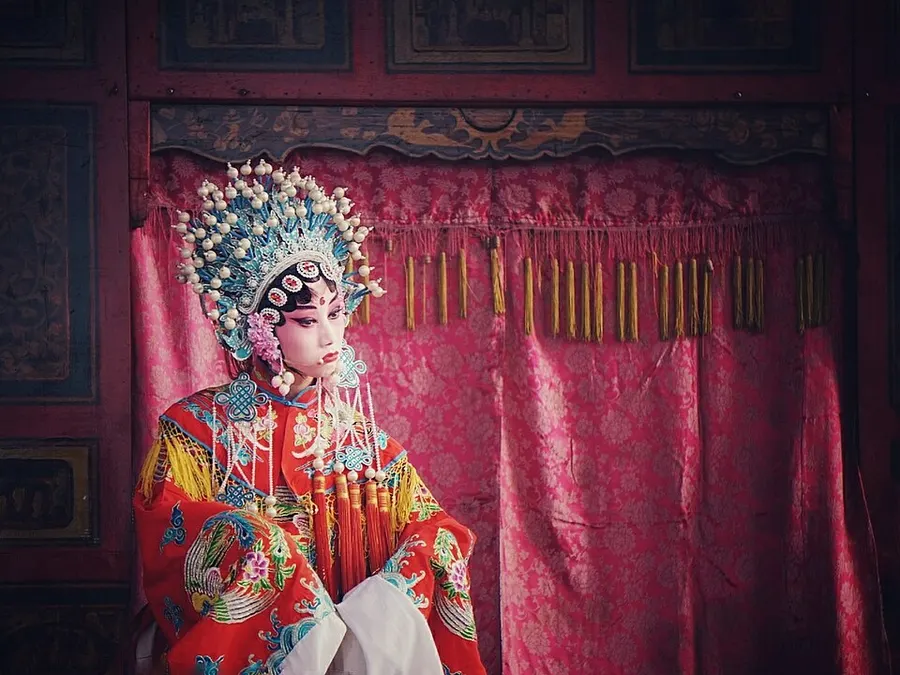
Elaborate costumes, painted faces, and poetic librettos — Chinese opera forms are among the world's most sophisticated theatrical traditions.
The Alchemy of Form & Soul
Elaborate costumes, painted faces, and poetic librettos — Chinese opera forms are among the world's most sophisticated theatrical traditions.
This category represents one of the fundamental pillars of China's intangible cultural heritage. From the imperial courts to village squares, these traditions have been refined over centuries, embodying the aesthetic ideals, spiritual values, and technical mastery of Chinese civilization.
KNOWLEDGE SNAPSHOT
- Primary Dynasties Tang, Song, Ming
- Key Materials Silk, Clay, Jade, Lacquer
- Representative Traditions Kunqu OperaPeking OperaChinese ShadowTibetan Opera
-
90% OF TRADITIONS CLASSIFIED AS LIVING HERITAGE
Iconic Traditional Drama Traditions
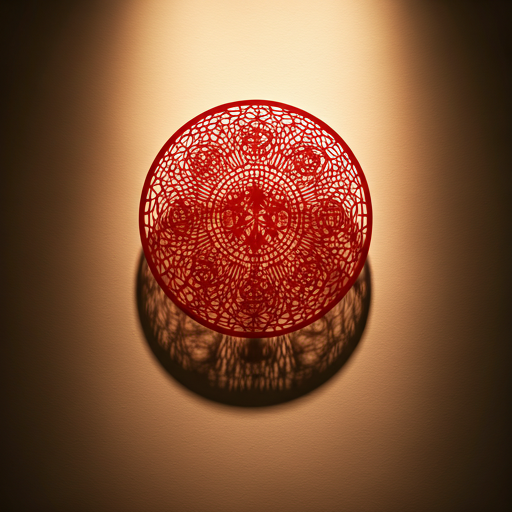
“One of China's oldest opera forms, known for its exquisite poetry, elegant movements, and profound influence on all Chinese theater”
Kunqu Opera
Ming Dynasty, 14th–15th century CE · unesco
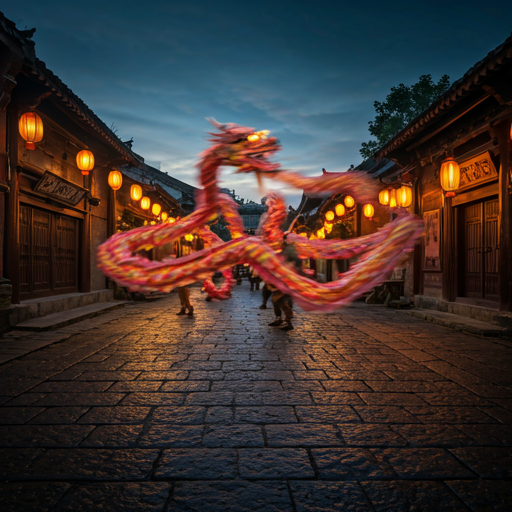
“China's most celebrated opera form, blending music, dance, acrobatics, and elaborate costumed performance into a spectacular theatrical art”
Peking Opera
Qing Dynasty, late 18th century CE · unesco
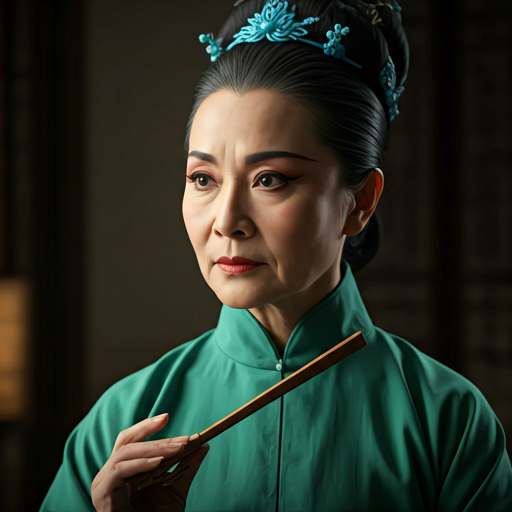
“Ancient storytelling art using carved leather puppets and light, combining craftsmanship, music, and oral tradition for over 2,000 years”
Chinese Shadow Puppetry
Han Dynasty (202 BCE–220 CE) · unesco
The Craft Constellation
Discover the hidden threads connecting regional materials to ancestral techniques. This graph maps the symbiotic relationship between local ecosystems and the crafts they birthed.
REQUIRES GRAPHICS ACCELERATION
Masters & Keepers
“ We do not own these crafts; we are merely their current custodians. To weave is to remember. To carve is to honor the ancestors who discovered the secrets of the wood. — MASTER WEAVER LI, SUZHOU
Behind every artifact is a living master who has dedicated a lifetime to the pursuit of perfection. Our program documents these individuals through high-resolution video and oral history archives.
MEET THE MASTERSThe Evolution of Form
206 BCE – 220 CE
Emergence of advanced lacquerware and the formalized Silk Road trade routes.
960 – 1279 CE
Peak of ceramic minimalism. Celadon and Ru wares define imperial elegance.
1368 – 1644 CE
Blue and white porcelain reaches global perfection. Advanced furniture joinery develops.
1644 – 1912 CE
Elaborate ornamentation and technical mastery in cloisonné and jade carving.
The Full Archive
Kunqu Opera
Ming Dynasty, 14th–15th century CE · unesco
Peking Opera
Qing Dynasty, late 18th century CE · unesco
Chinese Shadow Puppetry
Han Dynasty (202 BCE–220 CE) · unesco
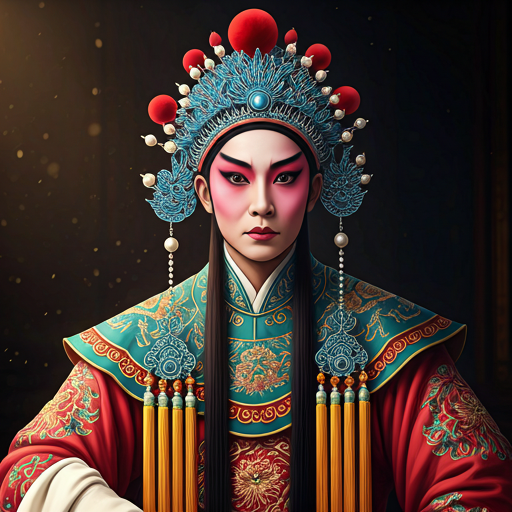
Tibetan Opera (Ache Lhamo)
14th century CE, Tibet · unesco
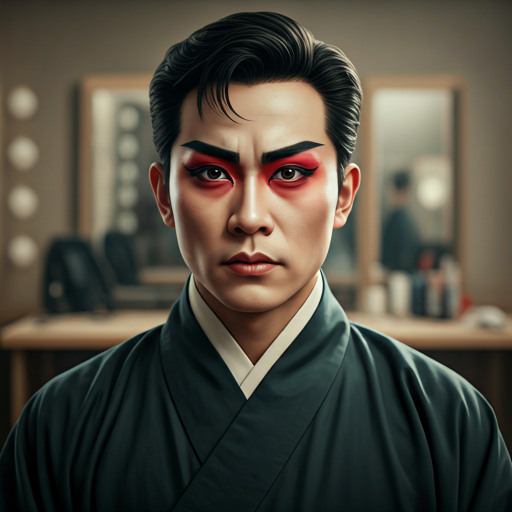
Sichuan Opera
Qing Dynasty, 17th–18th century CE · national
Yueju Opera (Cantonese Opera)
Ming Dynasty (1368–1644 CE) · unesco
Huangmei Opera
Qing Dynasty (1644–1912 CE) · national
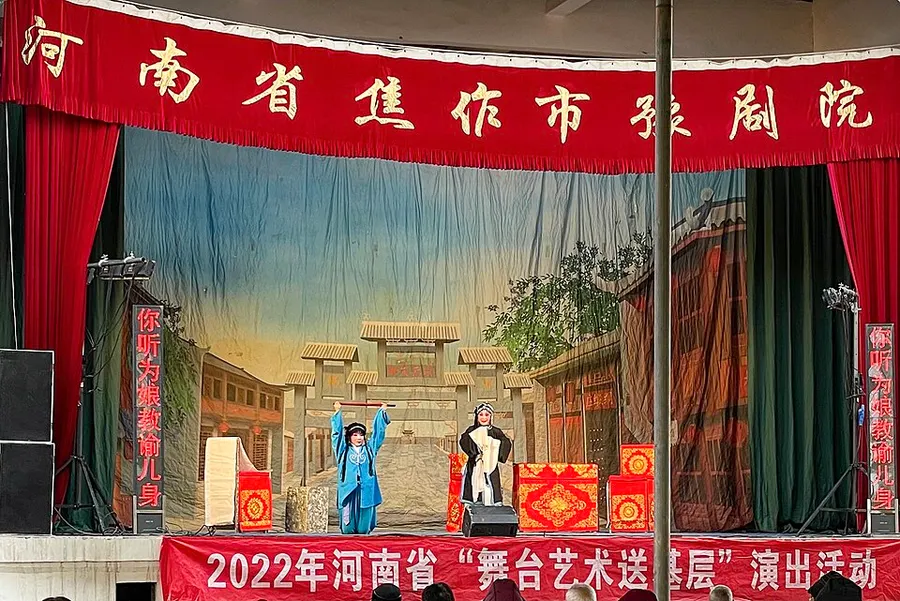
Henan Opera (Yuju)
Ming Dynasty (1368–1644 CE) · national
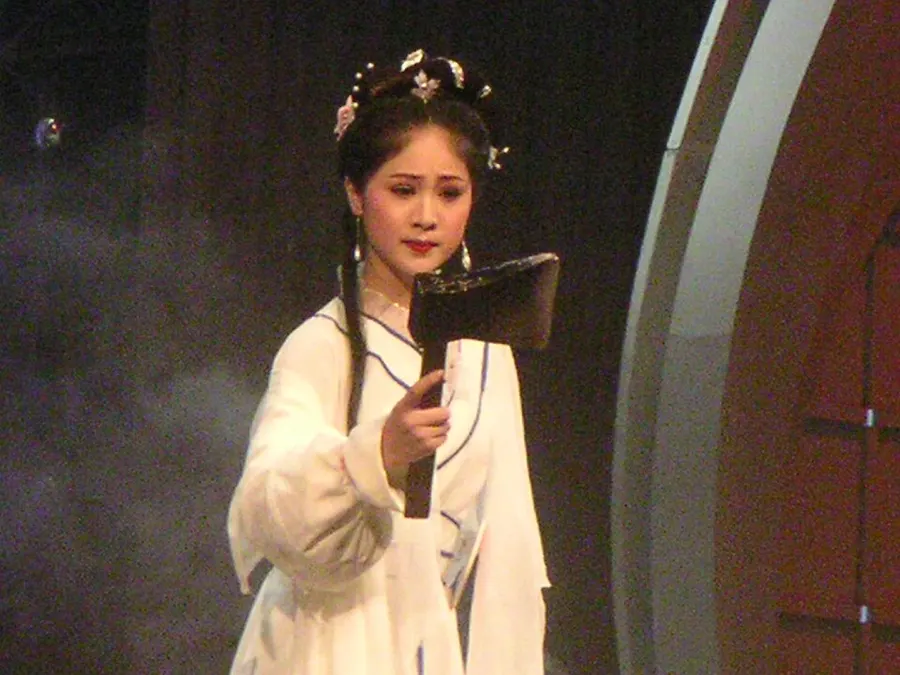
Yue Opera
Qing Dynasty (1644–1912 CE) · national
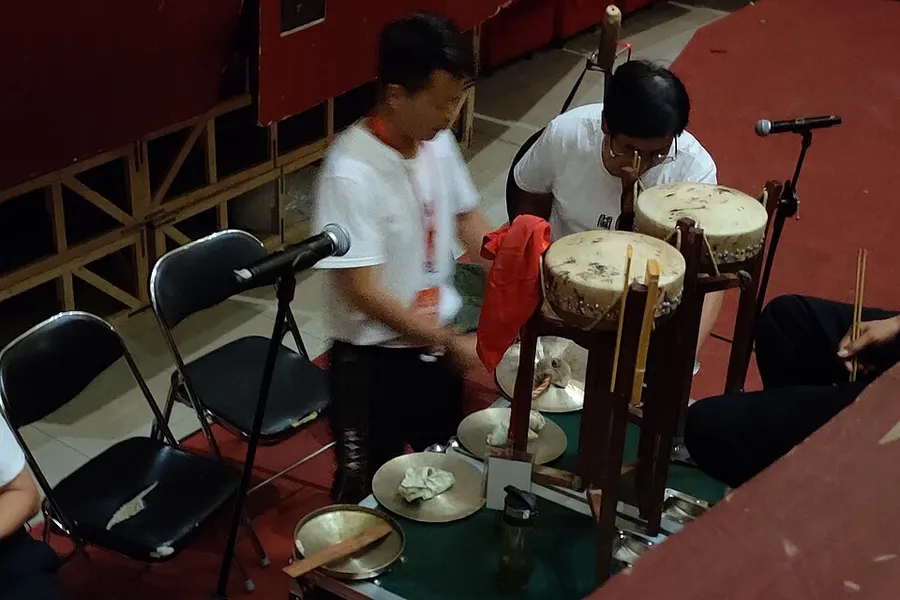
Qin Opera (Qinqiang)
Ming Dynasty (1368–1644 CE) · national