昆山
Kunshan
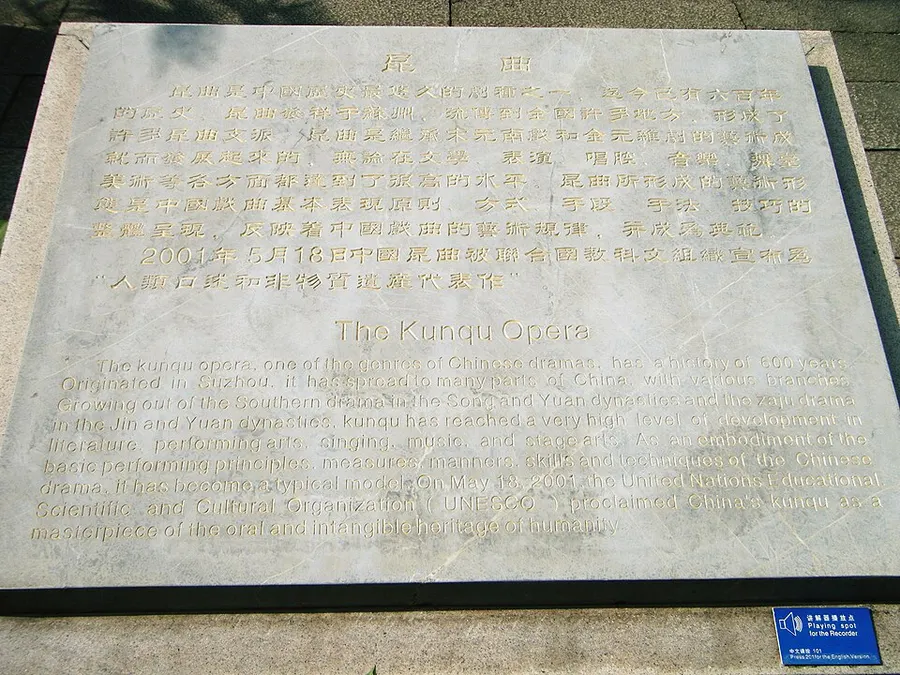
Located near Suzhou, Kunshan is the historic birthplace of Kunqu Opera, one of China's oldest surviving opera forms.
As a vital node in China's cultural geography, this location has nurtured artistic traditions that have endured through dynastic changes, social transformations, and the challenges of modernity. The continuity of these practices speaks to the deep relationship between place and cultural identity.
Today, Kunshan continues to be a living center of heritage — where master artisans train the next generation, festivals mark the seasons, and ancient crafts adapt to contemporary life.
Civilization Snapshot
Where heritage lives — the geography of cultural practice
Interact with the nodes of cultural heritage across the region's ancient grid.
Heritage District
The cultural heart of Kunshan
Craft Village
Traditional workshops and living heritage
A Lineage of Eras
Keepers of the Flame
Master Artisan
“The craft is not just technique — it is the memory of our ancestors speaking through our hands.”
EXPLORE MASTERSMaster Artisan
“The craft is not just technique — it is the memory of our ancestors speaking through our hands.”
EXPLORE MASTERSThe Cultural Constellation of Kunshan
The heritage of Kunshan does not exist in isolation. It is the core of a sophisticated network of exchange, where techniques, motifs, and melodies traveled to shape the identity of an entire civilization.
- Beijing Connected Heritage
- Nanjing Connected Heritage
- Suzhou Connected Heritage
The Rhythms of Time
Spring Festival
2 seasonal observances
Summer Festival
2 seasonal observances
Autumn Festival
2 seasonal observances
Winter Festival
2 seasonal observances
Nearby heritage destinations
Beijing
北京 · The capital of China, Beijing has been the political and cul...
Nanjing
南京 · An ancient capital of six dynasties, Nanjing is the birthpla...
Suzhou
苏州 · Famous for its classical gardens and silk industry, Suzhou i...
Chenjiagou
陈家沟 · A small village in Henan Province, Chenjiagou is the birthpl...
History & Development
Kunshan, between Shanghai and Suzhou, is the cradle of kunqu. Around 1550 the singer Wei Liangfu reworked the local kunshan qiang with help from flutist Zhang Yetang, polishing syllables into the water-mill style — every ornament stretched, breath hidden — that conquered Ming stages within a generation.
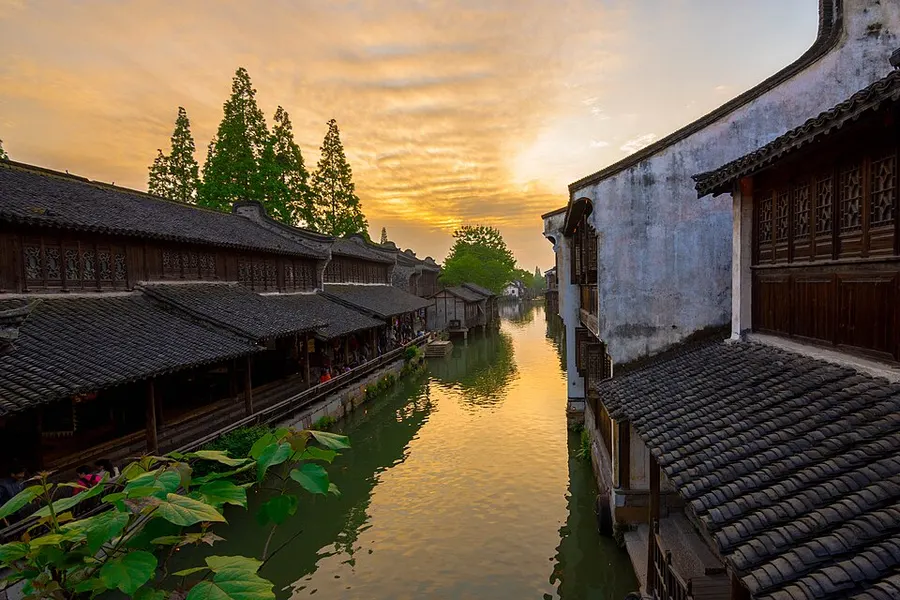
When UNESCO chose its first nineteen Oral Masterpieces in 2001, kunqu headed the list, and the city rebuilt its opera presence accordingly: the Jiangsu Kunqu Theatre rehearses minutes away, and water towns like Zhouzhuang stage excerpts in courtyard venues nightly during tourist season.
Cultural Traditions
- 01
Water-Polished Voice
One syllable may unfurl across a dozen beats, flute tracking the line.
- 02
Courtyard Stages
Garden pavilions host intimate performances suited to quiet vocals.
- 03
Role Types
Sheng, dan, jing, chou conventions were codified on Kunshan stages.
- 04
Score Books
Hand-copied qupai melody collections survive in local libraries.
Common Questions
Is Kunshan really where kunqu began?
Yes; Wei Liangfu polished the local tune here around 1550, and kunqu opera topped UNESCO's 2001 masterpiece list.
What does "water-mill" mean?
It describes the smooth, grindingly slow melodic polish given to every syllable.
Can tourists see performances?
Zhouzhuang and other water towns run regular courtyard shows.
Watch & Learn
From the Archive
Photographs documenting the materials, makers, and settings behind these traditions.