南京
Nanjing
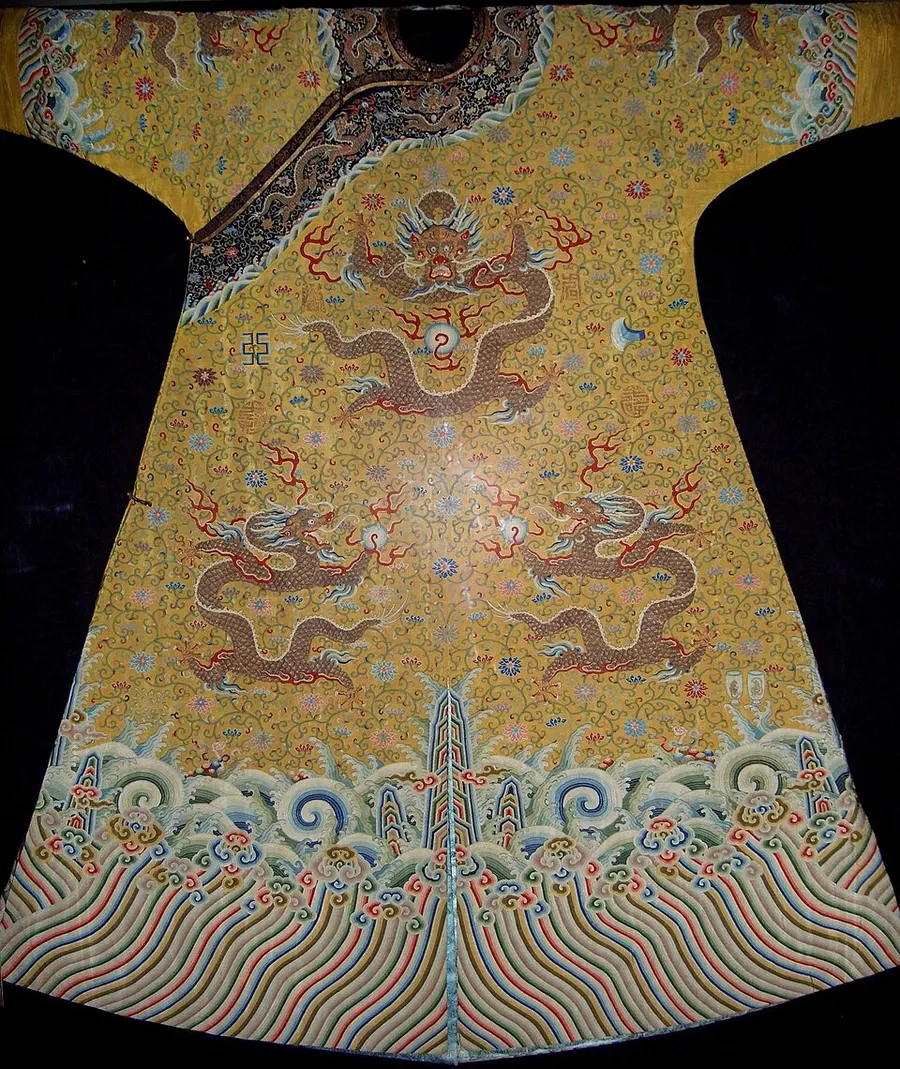
An ancient capital of six dynasties, Nanjing is the birthplace of Yunjin brocade and a center of traditional Chinese arts and scholarship.
As a vital node in China's cultural geography, this location has nurtured artistic traditions that have endured through dynastic changes, social transformations, and the challenges of modernity. The continuity of these practices speaks to the deep relationship between place and cultural identity.
Today, Nanjing continues to be a living center of heritage — where master artisans train the next generation, festivals mark the seasons, and ancient crafts adapt to contemporary life.
Civilization Snapshot
Where heritage lives — the geography of cultural practice
Interact with the nodes of cultural heritage across the region's ancient grid.
Heritage District
The cultural heart of Nanjing
Craft Village
Traditional workshops and living heritage
The heritage collection of Nanjing
A Lineage of Eras
Keepers of the Flame
Zhou Jinsong
“The craft is not just technique — it is the memory of our ancestors speaking through our hands.”
READ THEIR STORYThe Cultural Constellation of Nanjing
The heritage of Nanjing does not exist in isolation. It is the core of a sophisticated network of exchange, where techniques, motifs, and melodies traveled to shape the identity of an entire civilization.
- Beijing Connected Heritage
- Suzhou Connected Heritage
- Chenjiagou Connected Heritage
The Rhythms of Time
Spring Festival
2 seasonal observances
Summer Festival
2 seasonal observances
Autumn Festival
2 seasonal observances
Winter Festival
2 seasonal observances
Nearby heritage destinations
Beijing
北京 · The capital of China, Beijing has been the political and cul...
Suzhou
苏州 · Famous for its classical gardens and silk industry, Suzhou i...
Chenjiagou
陈家沟 · A small village in Henan Province, Chenjiagou is the birthpl...
Fujian Province
福建省 · A mountainous coastal province known for its wooden arch bri...
History & Development
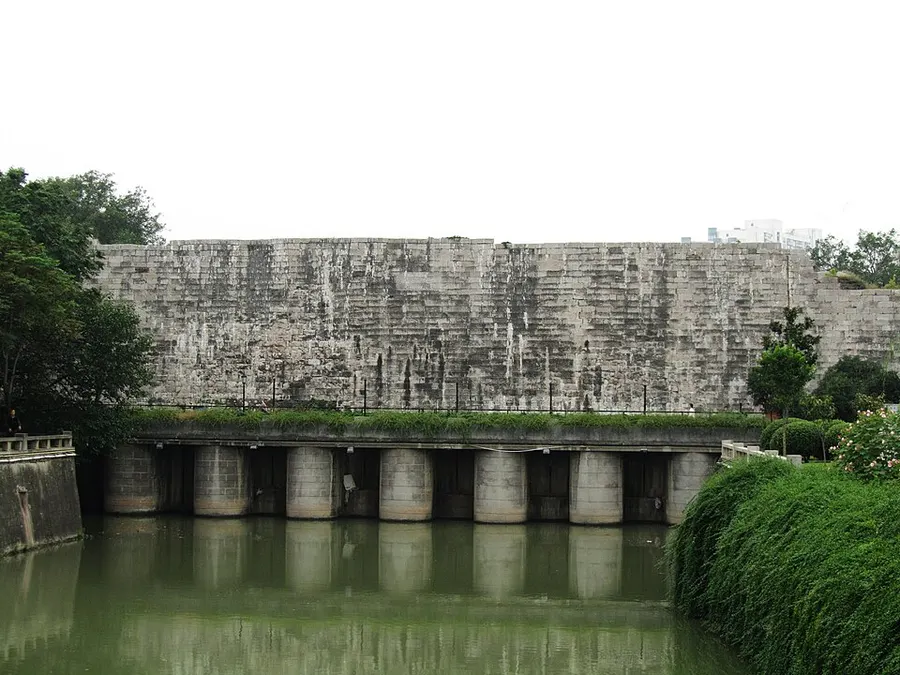
Nanjing served as capital for six dynasties beginning in 229 CE, accumulating roughly 450 years as an imperial seat. Its Ming-era city wall, built between 1366 and 1393, remains the longest brick wall on Earth with about 25 kilometres standing; each of its estimated 350 million bricks carries an inscription naming the makers, an accountability system that punished faulty work by execution.
The city's signature luxury craft survives in working form. A Nanjing yunjin loom stretches 5.6 metres and demands two weavers operating together to produce barely five centimetres of gold-flecked brocade a day, a technique UNESCO listed in 2009. The Ming Xiaoling tomb of the dynasty's founder joined the World Heritage list in 2003.
Cultural Traditions
- 01
Brocade Looms
Two-weaver drawlooms weave dragon robes at five centimetres per day.
- 02
City Wall Walks
Restored gate-towers like Zhonghua sell walks atop 600-year-old brickwork.
- 03
Qinhuai Lanterns
The riverside lantern fair each Lunar New Year fills Confucius Temple alleys.
- 04
Imperial Tombs
Ming Xiaoling's Sacred Way statues guard the founder's hillside mausoleum.
Common Questions
Why is Nanjing called the "capital of six dynasties"?
Six successive regimes from Eastern Wu (229 CE) onward ruled there for about 450 years combined.
What makes yunjin brocade special?
Yunjin weaving uses giant two-operator drawlooms and gold-wrapped thread; UNESCO recognized it in 2009.
How much Ming wall survives?
Roughly 25 kilometres, more than any other brick city wall in the world.
Watch & Learn
From the Archive
Photographs documenting the materials, makers, and settings behind these traditions.