Fujian Province — cultural landscape
Southeast China 26.078°N, 119.306°E

福建省

Fujian Province

10 Active Traditions
1 Master Artisans
0 Annual Festivals
Heritage Hub
Why This Place Matters

A mountainous coastal province known for its wooden arch bridges, Mazu sea goddess temples, tulou earthen buildings, Nanyin music, and rich Minnan cultural traditions.

As a vital node in China's cultural geography, this location has nurtured artistic traditions that have endured through dynastic changes, social transformations, and the challenges of modernity. The continuity of these practices speaks to the deep relationship between place and cultural identity.

Today, Fujian Province continues to be a living center of heritage — where master artisans train the next generation, festivals mark the seasons, and ancient crafts adapt to contemporary life.

Civilization Snapshot

Coordinates 26.078°N, 119.306°E
Cultural Zone southeast-coast
Heritage Density
10 traditions registered
Through the Eras
Pre-Imperial Before 221 BCE
Imperial Era 221 BCE – 1912 CE
Modern Era 1912–Present
Landscape of Practice

Where heritage lives — the geography of cultural practice

Interact with the nodes of cultural heritage across the region's ancient grid.

EPICENTER
Heritage District

The cultural heart of Fujian Province

ARTISANRY
Craft Village

Traditional workshops and living heritage

Through the Dynasties

A Lineage of Eras

Before 221 BCE

Pre-Imperial

Earliest settlements

221 BCE – 1912 CE

Imperial Era

Cultural flourishing

1912–Present

Modern Era

Preservation & revival

Living Human Treasures

Keepers of the Flame

LOCATED_IN

Zheng Duojin

“The craft is not just technique — it is the memory of our ancestors speaking through our hands.”

READ THEIR STORY
Cultural Constellation

The Cultural Constellation of Fujian Province

The heritage of Fujian Province does not exist in isolation. It is the core of a sophisticated network of exchange, where techniques, motifs, and melodies traveled to shape the identity of an entire civilization.

  • Beijing Connected Heritage
  • Nanjing Connected Heritage
  • Suzhou Connected Heritage
10 traditions 0 festivals 1 masters
Ritual Calendar

The Rhythms of Time

Spring

Spring Festival

2 seasonal observances

Summer

Summer Festival

2 seasonal observances

Autumn

Autumn Festival

2 seasonal observances

Winter

Winter Festival

2 seasonal observances

THE FINAL WORD

“Places Remember Through Practice — Fujian Province lives.”

Explore the Map

History & Development

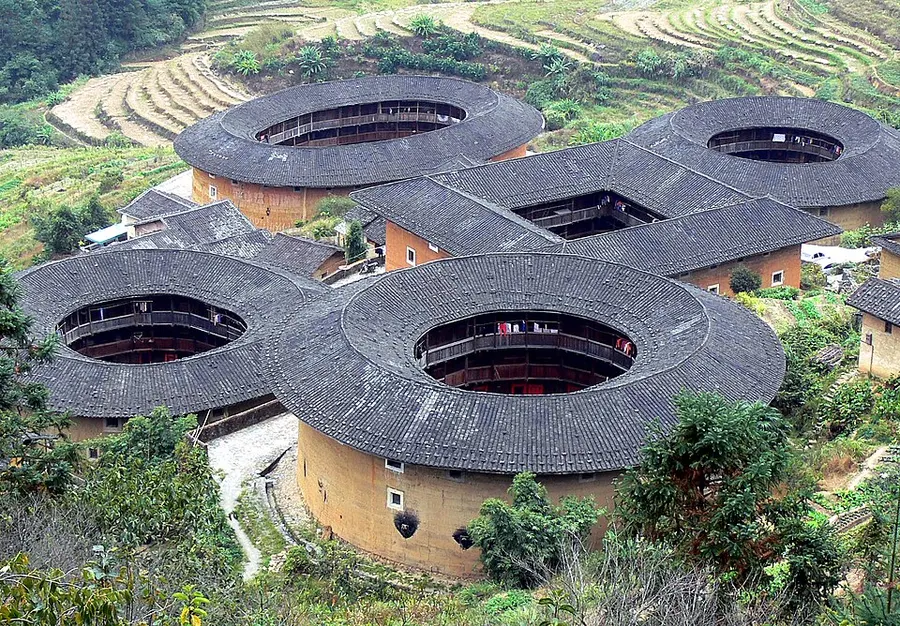
Fujian's mountains forced culture seaward. Forty-six tulou rammed-earth compounds in its southwest won World Heritage status in 2008 as fortified clan housing for Hakka families, while on the coast Putian's Meizhou Island sent the Mazu sea-goddess cult outward — Mazu belief entered UNESCO's representative list in 2009 and now counts some ten thousand temples worldwide.

Maritime engineering earned separate honours. The watertight-bulkhead construction of Fujian junks was listed by UNESCO in 2010, and the knotted timber arches of Minbei's covered bridges moved from the urgent-safeguarding list to full representative status in 2024, a graduation celebrated across the province.

Cultural Traditions

  1. 01

    Tulou Living

    Round earthen walls house whole clans around central ancestral halls.

  2. 02

    Bridge Blessings

    Villages feast inside covered timber arches during bridge-completion rites.

  3. 03

    Tea Mountains

    Wuyi rock oolongs grow on cliff terraces of a dual-listed World Heritage range.

  4. 04

    Goddess Pilgrimage

    Meizhou Island draws millions of Mazu devotees each spring.

Common Questions

What are tulou?

Fortified rammed-earth roundhouses built by Hakka clans; forty-six were inscribed by UNESCO in 2008.

How did Fujian shape maritime heritage?

Its shipwrights pioneered watertight-bulkhead junk building, recognized by UNESCO in 2010.

Where did Mazu worship begin?

On Meizhou Island, where the tenth-century Lin Mo lived; her cult is now global.

Watch & Learn

Oral Tradition

Stories & Legends

Narratives from the atlas graph that share origins, practitioners, or settings with this topic.

Lin Moniang was born in 960 CE on Meizhou Island, Fujian. From childhood she showed extraordinary powers — she could predict weather, heal the sick, and walk on water. She died young while trying to rescue her father and brother at sea. After her death, she appeared to countless sailors in storms, guiding them to safety. She was deified as Mazu, the Goddess of the Sea, and is worshipped across coastal East Asia.
Visual Record

From the Archive

Photographs documenting the materials, makers, and settings behind these traditions.

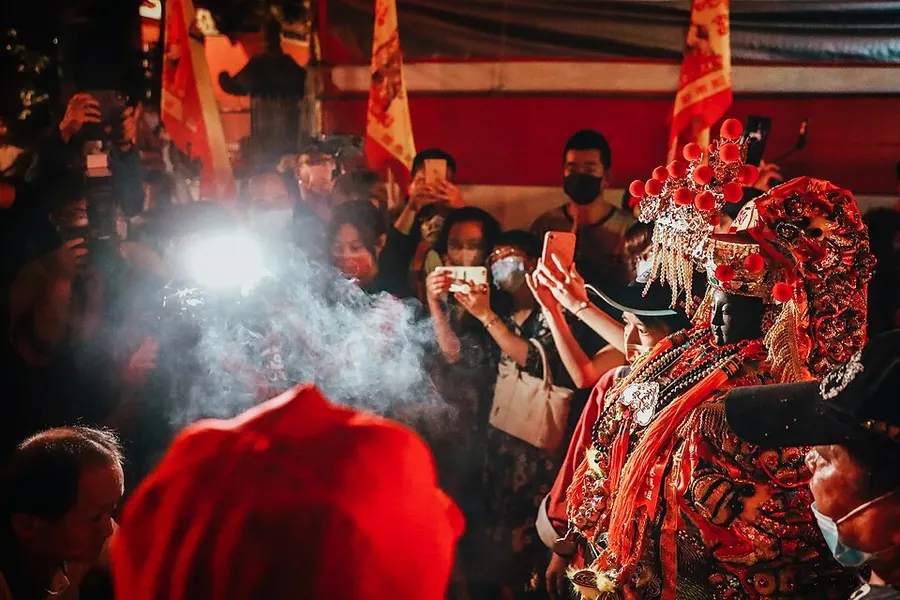
Mazu temple ceremony with pilgrims and incense smoke
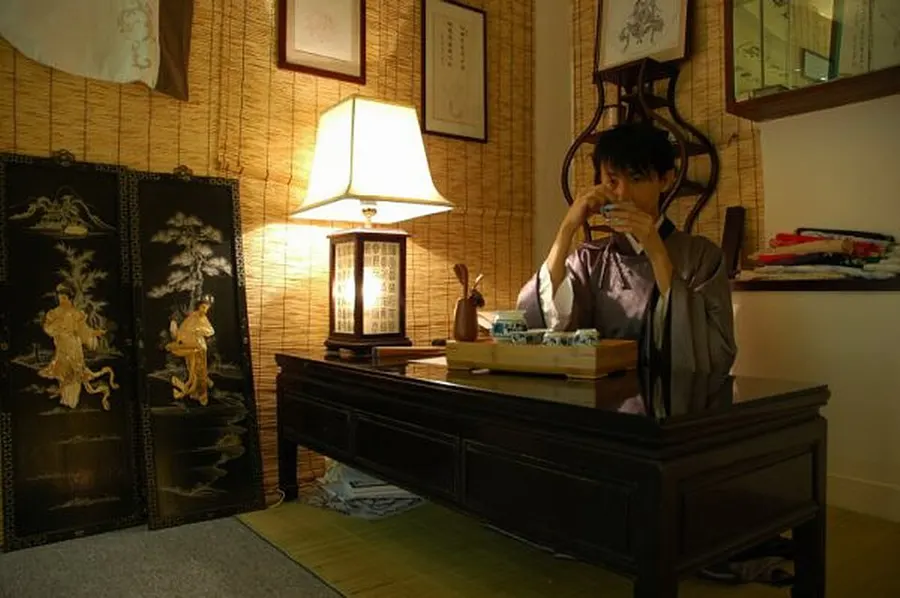
A Chinese tea ceremony being performed with gongfu style tea set
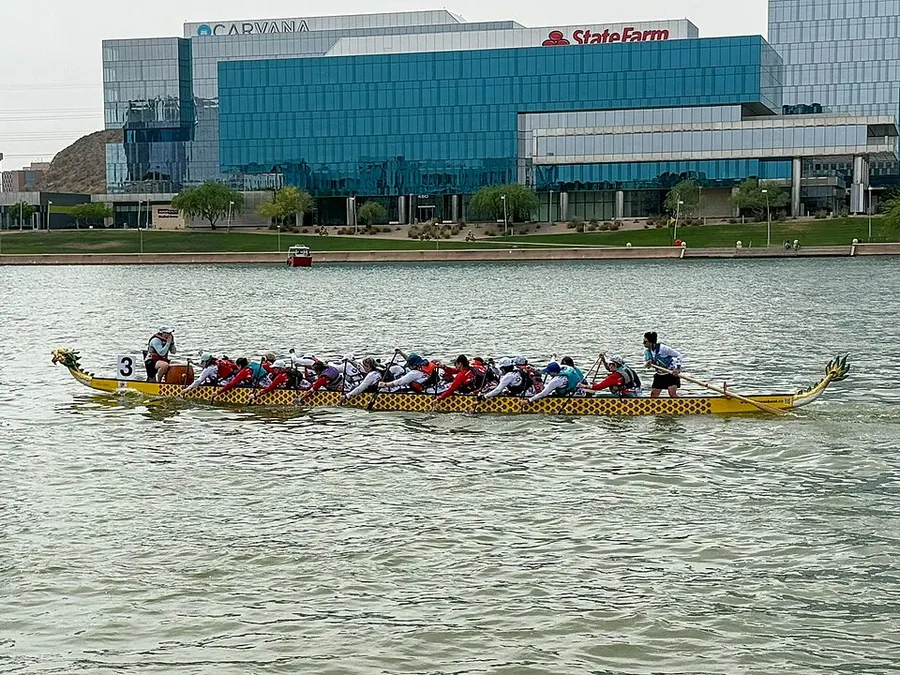
Dragon boat race with paddlers in synchronized motion
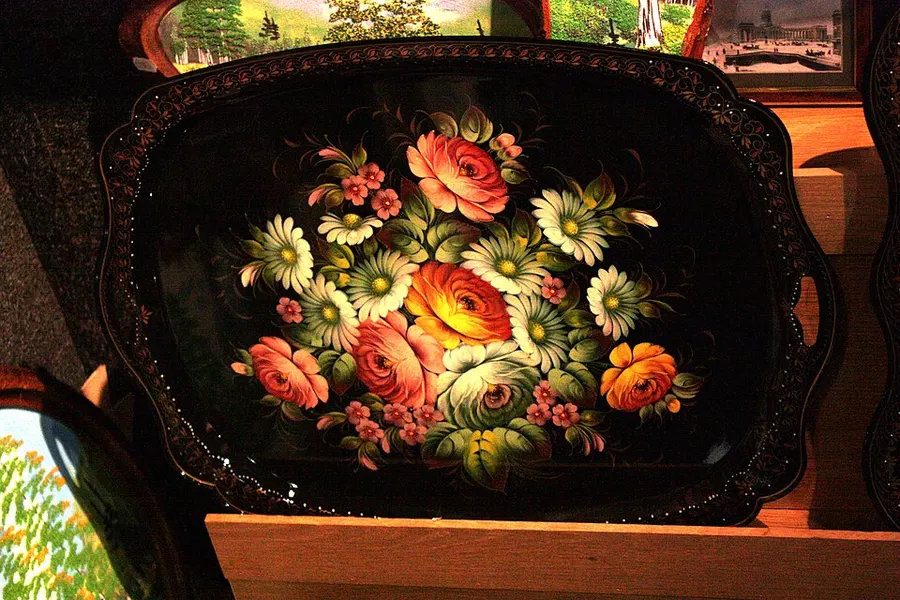
Carved red lacquerware with traditional motifs