
Zheng Duojin
郑多金
Zheng Duojin is a 6th-generation master of wooden arch bridge construction in Fujian Province. Born into a family of bridge builders, he began learning the craft at age 16 from his father. Over six…
Zheng Duojin is a 6th-generation master of wooden arch bridge construction in Fujian Province. Born into a family of bridge builders, he began learning the craft at age 16 from his father. Over six decades, he has built and restored more than 40 wooden arch bridges across Fujian and Zhejiang. His expertise in the mortise-and-tenon joinery technique is considered unmatched.
Heritage DNA
Classification
National Inheritor
Status
retired
Year of Birth
1945
Age
81 years
Location
Fujian Province
Region
Southeast China
Next Master
Chang Xiangyu
常香玉
See the Craft
in Motion
The Cultural Network
Heritage is not a static artifact; it is a living web. Our mapping engine traces the cross-pollination of techniques across three millennia, revealing how Zheng's thread vibrates through the broader tapestry.
Territories of
Heritage
Geography shapes identity. Journey through the historical corridors that defined a civilization, from the arid Silk Road to the lush Tea Horse Road.
Fujian Province
Southeast China
The Living Masters
The true archive of heritage is found in the hands and minds of those who refuse to let the fire die out.
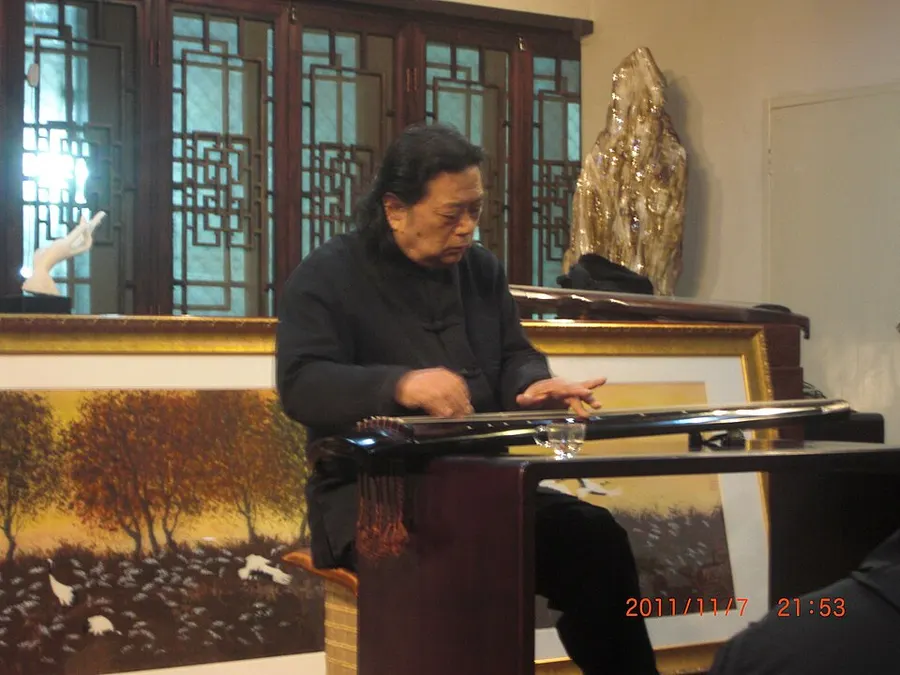
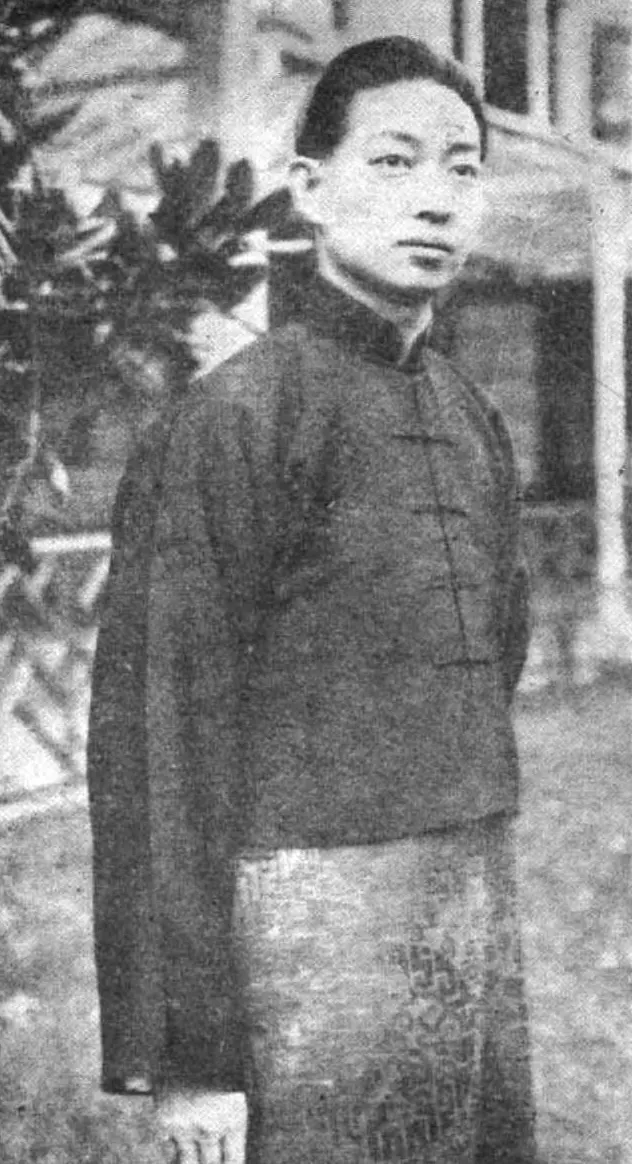
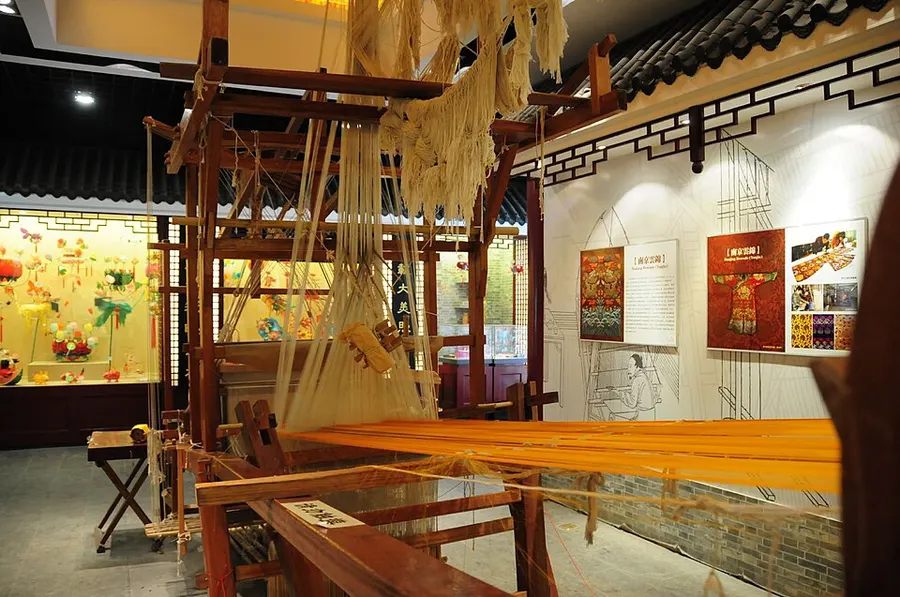
How Zheng Duojin connects to the broader network of heritage.
The Atlas is Living
Every master is a living archive. Join a collective of explorers, artisans, and scholars dedicated to tracing the vibrant pulse of our shared world.
History & Development
Zheng Duojin carries the sixth-generation lineage of wooden arch bridge construction in Fujian Province. Born in 1945 in Shouning County, he learned the beam-weaving technique from his father, whose own master had rebuilt bridges across the mountain streams of eastern Fujian for more than two centuries. The technique survived without written plans because each family guarded its span tables as a trade secret.
The 2009 inscription of traditional design and practices for wooden arch bridges on the UNESCO List of Intangible Cultural Heritage in Need of Urgent Safeguarding transformed the standing of masters like Zheng. He has supervised the reconstruction of historic spans and trained apprentices through formal workshops, converting an oral craft into a documented curriculum before the last first-generation bearers retired.
Cultural Traditions
-
Woven Beam Structure
Interlocking longitudinal beams form a self-supporting arch without nails or adhesives, a system that distributes load across three layered frames.
-
Span Tables and Oral Codes
Master carpenters memorize proportional rules for beam length, pier spacing, and roof pitch rather than drawing plans, passing them through dictation during construction.
-
Bridge House Rituals
Completed bridges receive roofed pavilions that serve as village gathering spaces, shrines, and way stations, binding each structure to community life.
Common Questions
How long does it take to build a woven timber arch bridge?
A mid-sized span typically takes one team several months from felling to roofed completion. The carpenters assemble most members on the bank before launching the woven arch across the stream.
Where can I learn more about this craft?
The full technique, its history, and its safeguarding status are described on our wooden arch bridge page, which also lists related bridge locations across Fujian and Zhejiang.