
Li Xiangting
李祥霆
Li Xiangting is one of China's most renowned guqin masters and a professor at the Central Conservatory of Music in Beijing. A student of the legendary guqin player Guan Pinghu, Li has dedicated his…
Li Xiangting is one of China's most renowned guqin masters and a professor at the Central Conservatory of Music in Beijing. A student of the legendary guqin player Guan Pinghu, Li has dedicated his life to preserving and promoting guqin music. He has performed in over 30 countries and recorded numerous albums that have introduced guqin music to international audiences.
Heritage DNA
Classification
National Inheritor
Status
active
Year of Birth
1942
Age
84 years
Location
Beijing
Region
North China
Next Master
Mei Lanfang
梅兰芳
See the Craft
in Motion
The Cultural Network
Heritage is not a static artifact; it is a living web. Our mapping engine traces the cross-pollination of techniques across three millennia, revealing how Li's thread vibrates through the broader tapestry.
Territories of
Heritage
Geography shapes identity. Journey through the historical corridors that defined a civilization, from the arid Silk Road to the lush Tea Horse Road.
Beijing
North China
The Living Masters
The true archive of heritage is found in the hands and minds of those who refuse to let the fire die out.
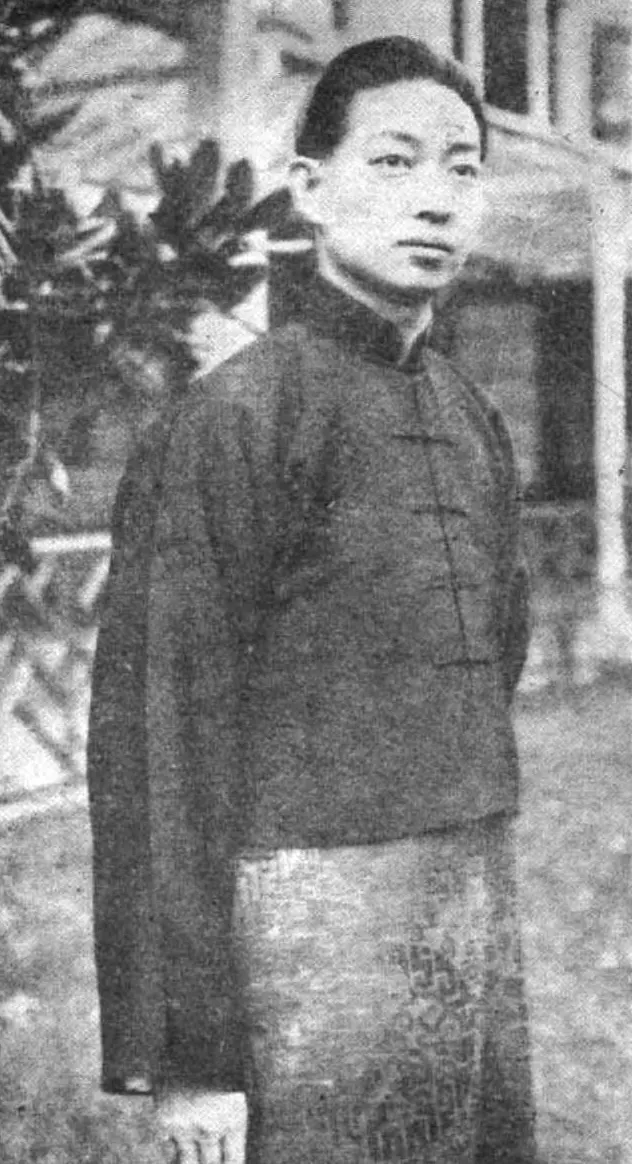
How Li Xiangting connects to the broader network of heritage.
The Atlas is Living
Every master is a living archive. Join a collective of explorers, artisans, and scholars dedicated to tracing the vibrant pulse of our shared world.
History & Development
Li Xiangting, born in 1942 in Liaoning Province, is among the most influential guqin performers teaching today. He entered the Central Conservatory of Music in Beijing in 1958 and studied under Guan Pinghu, the player whose 1860s Tang-style instrument set the reference sound for twentieth-century qin recording.
Over six decades Li has recorded landmark albums of the guqin repertoire, published transcriptions of handwritten tablature, and trained a generation of conservatory players who now lead qin societies across China and abroad. His performances helped carry the instrument from literati parlors to concert halls in the decades before UNESCO inscribed guqin music in 2003.
Cultural Traditions
-
Silk-String Aesthetics
Traditional players favor silk strings and sliding tones that imitate the human voice, valuing silence between phrases as much as the notes themselves.
-
Tablature Decipherment
Qin notation records finger positions rather than rhythm, so each performer reconstructs timing, a practice called dapu that keeps roughly 150 surviving pieces alive.
-
Scholarly Lineage
Players trace their school through named lineages such as the Zhucheng school, preserving fingering secrets and interpretation styles across generations.
Common Questions
What makes Li Xiangting's playing style distinctive?
His interpretations combine conservative philological accuracy with the expressive freedom of a composer, particularly in the famous piece Flowing Water, which he performs with dramatic dynamic contrasts.
Which tradition does he represent?
He is a bearer of guqin and its music, the seven-stringed zither tradition inscribed by UNESCO in 2003 and centered historically around Beijing and Jiangnan scholars.