 I
Baidu Baike (百度百科)
Practice
The technique itself — who shops, who mixes, who folds. A Chinese tea ceremony and its implements are a practice as much as a drink.
The Foodways Collection
A foodway is the food practice of a people, region, or historical period — not just what is eaten, but how it is learned, shared and carried across generations. This section looks at Chinese food traditions as living practice: how a household transmits a dish, and how far any claim about it can be supported by evidence.
The concept
A foodway is the eating habits and culinary practices of a people, region, or historical period — the knowledge, skills and meanings around food, not the food alone.
Best understood as a form of living heritage, a foodway is practiced in households and communities, learned by doing, and carried forward because it still answers to a group's sense of itself. A recipe records ingredients; a foodway records how a practice is transmitted, when it is performed, and what it is taken to mean.
In China, tea shows how a single leaf becomes a foodway: the Chinese tea ceremony turns preparation and sharing into a social practice, and the inherited craft of traditional tea processing carries the knowledge — withering, firing, shaping — that makes a regional tea what it is. Neither is a recipe; both are transmitted chains of skill and occasion.
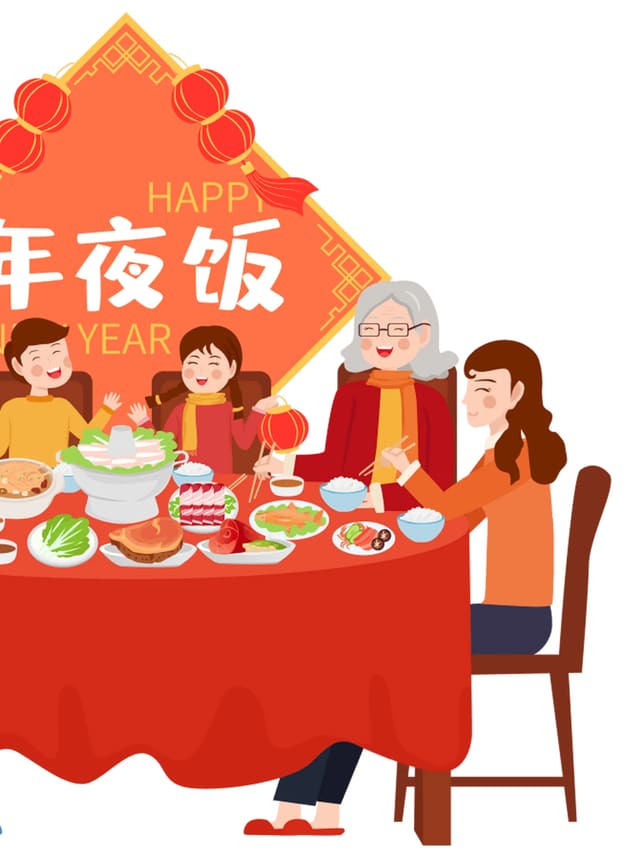
Foodways also keep time: the cycle of Chinese festivals marks the year with prescribed foods, and a key example is the Spring Festival, when households prepare dumplings together, dividing labour by generation. The wider rhythm runs on the Twenty-Four Solar Terms, the calendar knowledge that tells a community when to eat what; Winter Solstice dumplings in the north are one local expression of that timing.
Foodways also map space: the historic Tea Horse Road carried tea from producing highlands to consuming frontiers, and the trade moved practices as well as goods — how tea was packed, prepared, and shared across communities. A foodway is rarely bounded by one village; it travels, adapts, and still counts as inheritance.
Foodways also vary by region. Chinese cuisine is historically grouped into four great traditions by geography — Lu in the north, Yue in the south, Chuan in the west and Huaiyang in the east — with a more detailed eight-cuisine classification becoming common in the 1980s. Climate, geography and history shaped which techniques and flavours suited a place: the numbing-and-spicy pairing of Sichuan is one regional example, and the overview of cooking methods shows how heat and knife work travel with such traditions. These labels are context for variation, not a ranking of dishes.
This section treats each food practice as a claim to be checked. Where a custom is recorded in early texts, official heritage files, or museum collections, we say so; where an origin story is a later legend or a popular reading, we mark it as such. The aim is not to rank dishes but to show how a practice is transmitted, what it means to the people who keep it, and how far the evidence reaches.
Three lenses
Practice, transmission and meaning travel together. Each lens is a different question you can ask of the same dish.
I Baidu Baike (百度百科)
 II
Baidu Images (百度图片)
 III
Baidu Baike (百度百科)
The collection
Each essay takes one food practice and follows its transmission chain — who teaches whom, when it is performed, and what the sources actually support. Four studies lead this issue: Spring Festival dumplings as household inheritance, tofu history and origins as a claim checked against early texts and a national heritage entry, why Sichuan food numbs as a sensation traced from a plant compound to a recorded craft, and Chinese cooking methods as a vocabulary of heat and knife work held by cooks.
Essay 01 12 min read · 8 sources
How one dish travels between a winter solstice and a new year, and what a household actually transmits when it passes the recipe on.
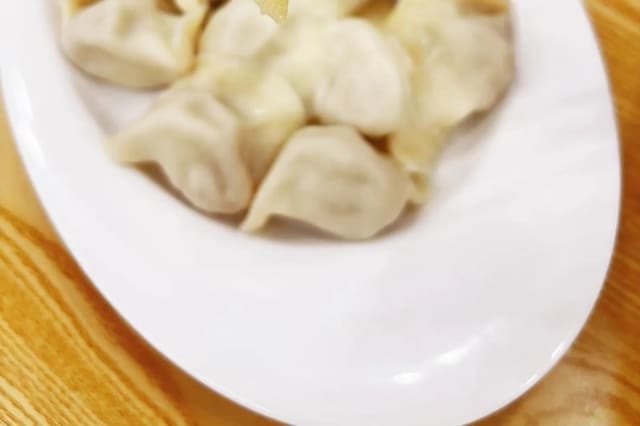
Discover how making and sharing dumplings connects family practice, regional customs, cultural memory, and the transmission of Chinese New Year traditions.
Read the essay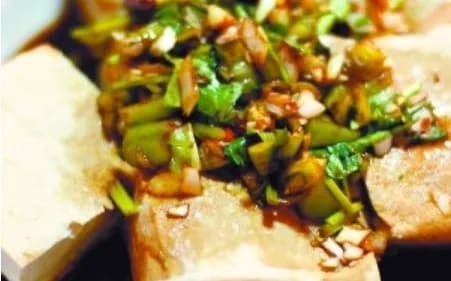 Essay 02
10 min read · 7 sources
A late story credits a Han prince with inventing tofu. The earliest written record is far later. What can be said between the two, and how the making became a recognised craft.
Trace tofu history and origins through early texts and China’s national heritage list — who is said to have invented it, where the first record puts it, and how the craft is transmitted.
Read the essay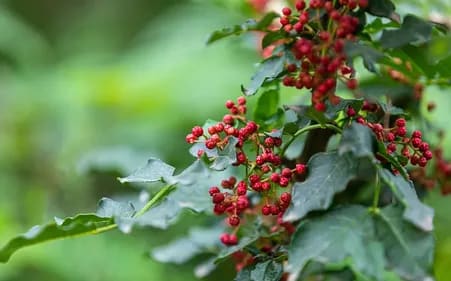 Essay 03
9 min read · 7 sources
The tingle of Sichuan pepper is not a taste but a tactile event — a compound that makes sensory nerves fire at about fifty cycles a second. What the evidence shows, and where the food sits in a national heritage entry.
Why does Sichuan food numb? Follow hydroxy-alpha-sanshool from the pepper husk to RA1 touch fibres, separate sensation from cultural explanation, and place ma in a documented craft.
Read the essay Essay 04
9 min read · 5 sources
Chinese cooking is often described through heat control and a vocabulary of named techniques. What that vocabulary means as a transmitted craft — and what the national heritage entry actually names.
An overview of Chinese cooking methods as culture and registered craft: how heat and knife work are grouped, what named techniques mean, and how the practice is inscribed on a national heritage list.
Read the essayCommon questions
A foodway is the eating habits and culinary practices of a people, region, or historical period — the knowledge, skills and meanings around food, transmitted across generations. It differs from food itself: food is what is eaten, a foodway is how that eating is learned, performed and carried on. The term is used in folklore and heritage studies to name food as living practice.
Making dumplings together for the Spring Festival is one: the practice involves household division of labour, a festival timetable, and skills passed by demonstration rather than by text. The Spring Festival dumplings study follows that transmission chain and grades the evidence for each origin claim. It is the example this section uses as its methodological sample.
Food is the substance — a dish, an ingredient, a meal. Foodways are the practices around it: how it is produced, prepared, shared, timed and taught, and what it is taken to mean. A recipe can be written down; a foodway includes the unwritten knowledge of when and why a community makes that dish.
Indigenous foodways are the food practices of Indigenous and local communities, tied to their lands, seasonal cycles and knowledge systems. They are transmitted through community practice — gathering, preparing, sharing — and carry identity and ecological knowledge together.
Through demonstration and participation more than through text: a child watches a parent shape a dumpling, and a novice learns tea beside an experienced maker in the Chinese tea ceremony, where skill passes by doing. Written recipes and heritage files record parts of the chain, but the living transfer happens in shared practice. That is why this section treats transmission, not ingredients, as the unit of study.
Yes, but as practices and knowledge systems, not as individual dishes. Among the inscribed elements, the Spring Festival was inscribed in 2024 as the social practices of the Chinese people celebrating the traditional new year; the Twenty-Four Solar Terms in 2016; and traditional tea processing techniques and associated social practices in 2022. Dumplings themselves are not a separately inscribed element — they belong to the wider social practice, a distinction this section keeps careful.
In accounts of Chinese food culture, meals carry several roles at once: promoting health, expressing creativity, strengthening social bonds and affirming family values. Shared dishes, seasonal ingredients and regional variety are recurring themes. Seen as a foodway, the importance lies less in any single dish than in the practices of eating together and the knowledge of when and why particular foods are prepared.
Chinese cuisine was historically grouped into four great traditions by geography: Lu in the north, Yue in the south, Chuan in the west and Huaiyang in the east. A more detailed eight-cuisine classification became common in the 1980s. These are regional traditions shaped by climate, geography and history, not a ranking of dishes. This section treats them as context for how food practices vary, and points to specific studies such as the Sichuan numbing study and the cooking methods overview rather than cataloguing cuisines.
Follow the thread
You can read how a dish is made; tasting it where it belongs is knowing it. 耳听为虚,眼见为实 — better to see once than hear a hundred times.
Taste these food traditions in placeWhere to taste these traditions in the places that keep them.
What living heritage means, and how it is classified.
A tea practice on the national heritage inventory.
Craft knowledge behind the leaf.
The festival calendar that frames New Year food.
The seasonal system behind timing and custom.
A trade route that carried tea across regions.