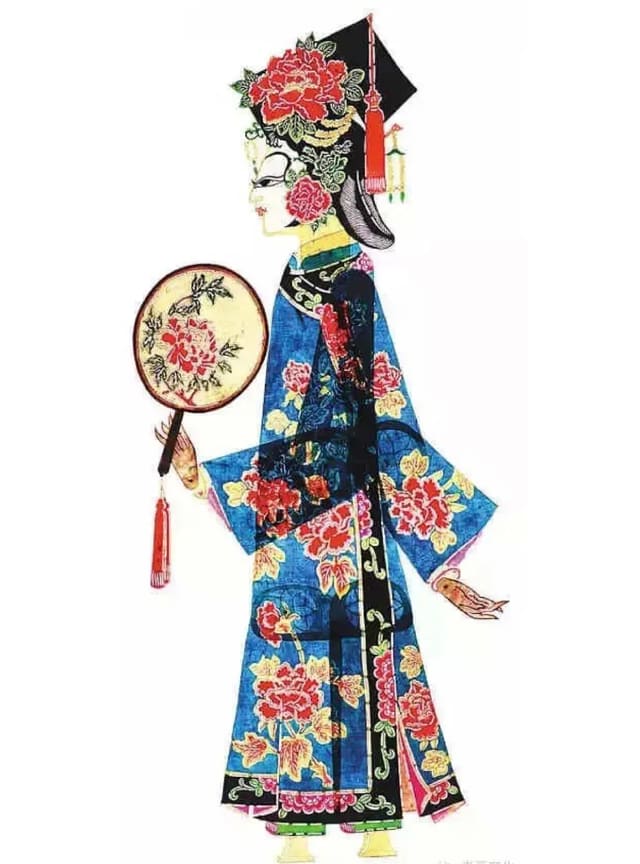
Visit & learn · China cultural tours
China cultural tours, with the culture in it.
Read the atlas first. Then stand where the craft is made, the opera is sung and the festival is kept. This is our understanding of a journey: learn the tradition, go and see it, feel it where it began, and take part. Culture and travel are not two things — they are one trip.
Our understanding
Learn it. Go see it. Be part of it.
A tradition on a page is a fact. A tradition in front of you is a memory. We build routes for people who want the second one — who want to know what a craft feels like in the hand, what an opera sounds like in its home city, and why a festival matters to the people who keep it.
-
Learn the tradition first
Each route begins in the atlas — the history, the technique, the people who carry it. You arrive at a place already knowing what you are looking at.
-
Go where it is practised
We connect the heritage to the city, the museum and the workshop where it is still alive — not to a generic list of sights.
-
See, feel, take part
Watch a performance, handle a material, taste a regional dish. Understanding moves from the page to the place — and stays with you.
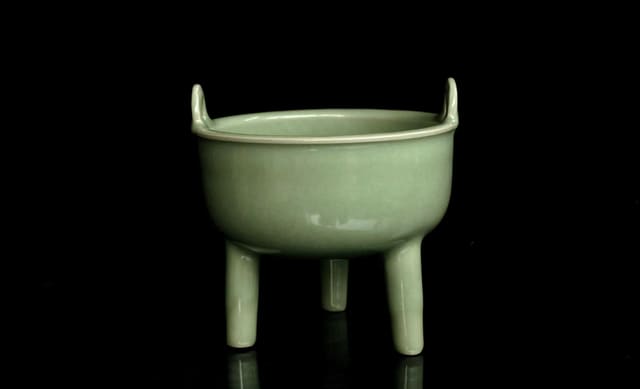
A craft you can trace
Longquan celadon is a ceramic tradition on the UNESCO list. You can read its history — then stand in the kiln region where the glaze was made.
Choose your route
Start with a tradition.
These pages are the detail layer of this hub. Each one takes a place where heritage is still practised and builds a visit around it.
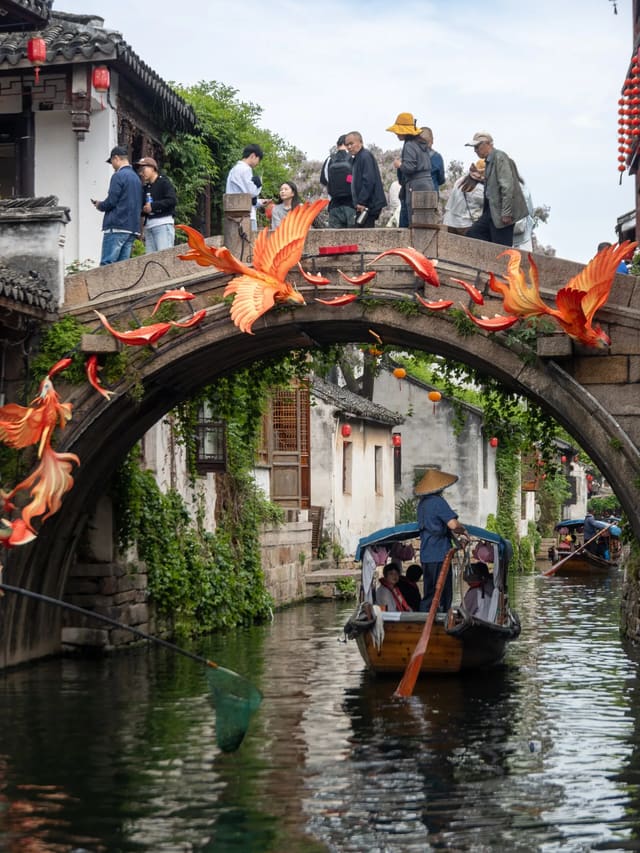
Learning Journey · Jiangnan
Suzhou Day Tour
Spend a day where classical gardens, Kunqu opera and silk craftsmanship share the same streets. This route follows the official 5A scenic registry and the living heritage of Suzhou.
Learning Journey · Jiangnan
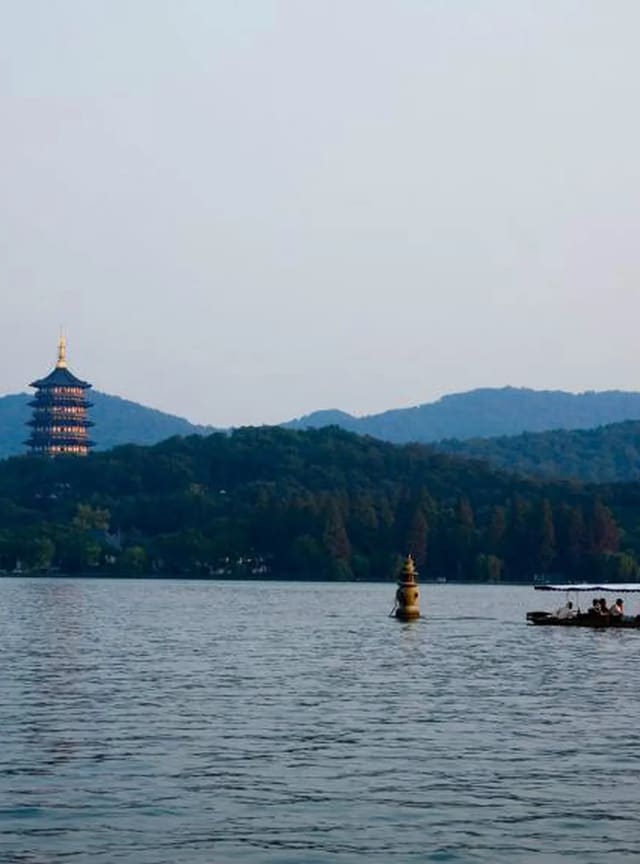
Hangzhou Day Tour
See where a UNESCO-listed lake, a tea-making tradition and centuries of silk and craft share one city. This route follows the official 5A scenic register and the living heritage of Hangzhou.
Learning Journey · Ancient Capitals
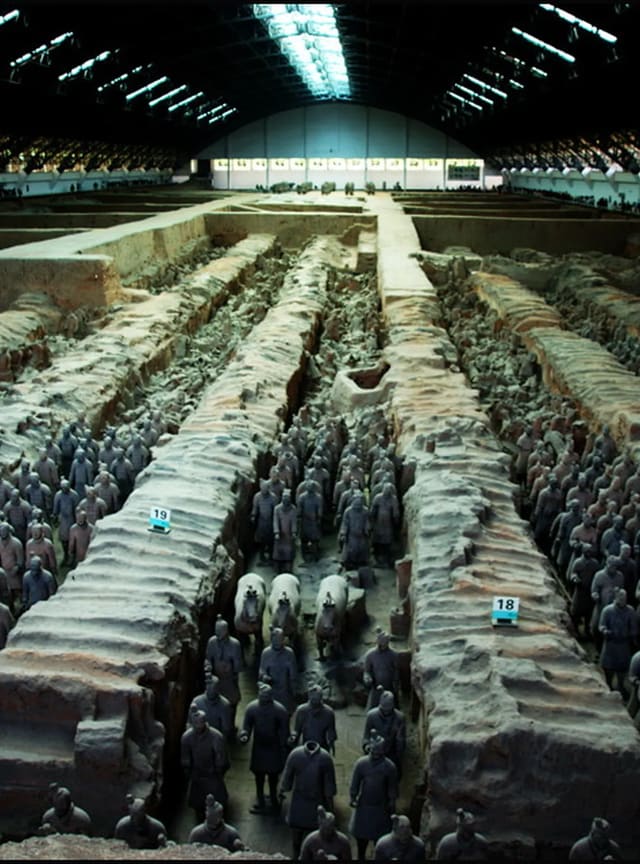
Xi’an Day Tour
See where China’s first imperial capital left its evidence — an buried army, a Ming city wall and food traditions still made by hand. This route follows the official 5A scenic register and the living heritage of Xi’an.
Learning Journey · Ancient Capitals
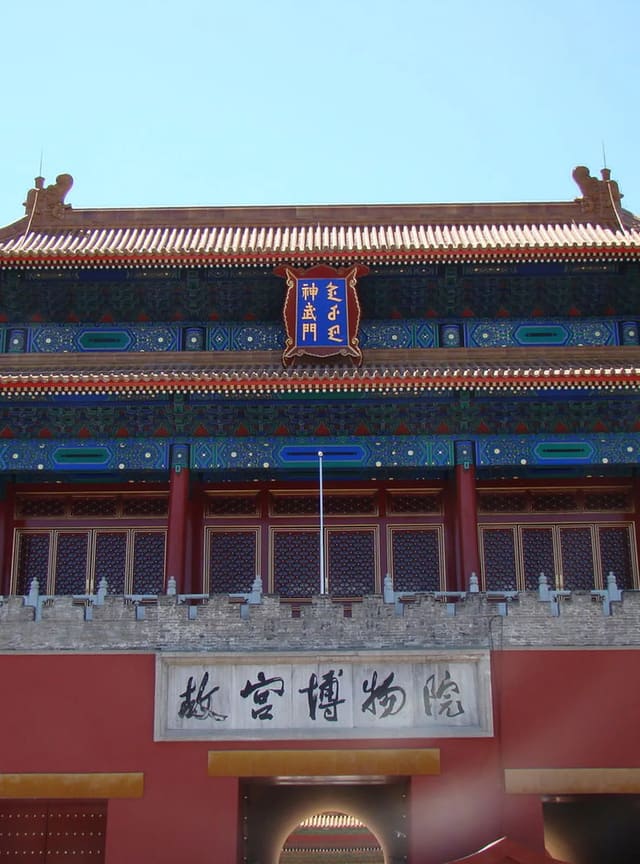
Beijing Day Tour
China’s capital holds more national heritage than any other city on this atlas. One day cannot cover it — but it can show you how an imperial palace, a living craft and an old-city lane fit together.
Learning Journey · Lingnan
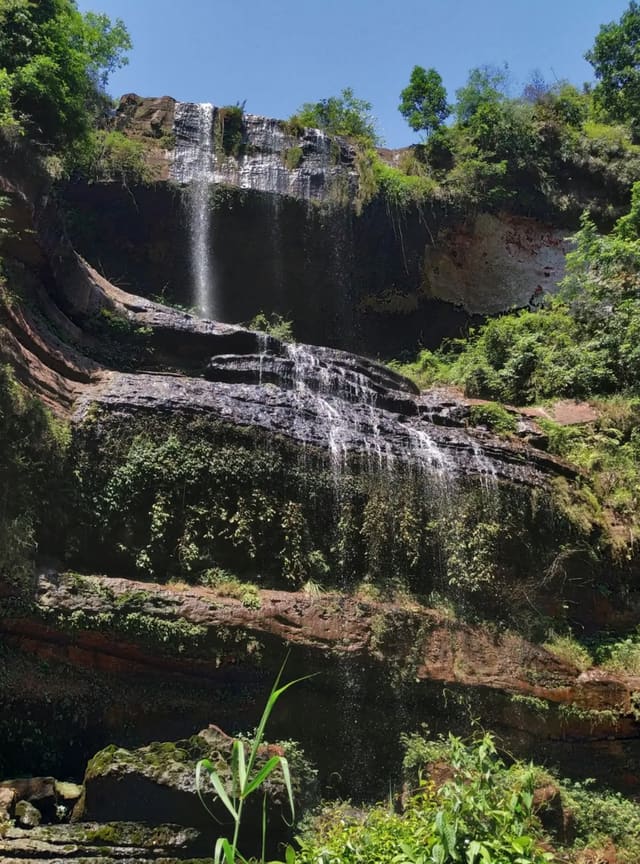
Guangzhou Day Tour
Guangzhou is where Lingnan culture is still made, not just displayed. One day can connect a Qing-drafted ancestral hall, a UNESCO-listed opera tradition and the crafts that furnished both.
Learning Journey · Jiangnan gateway
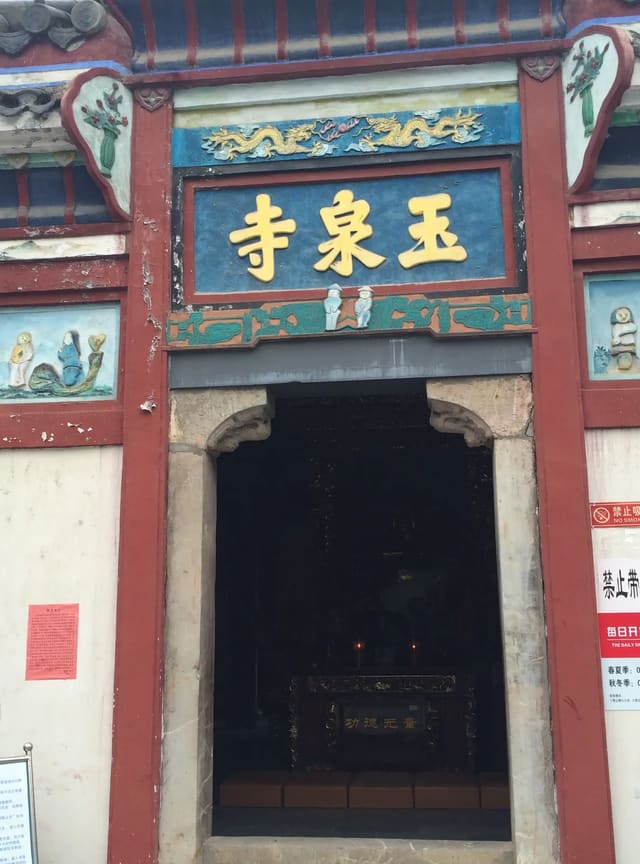
Shanghai Day Tour
Shanghai is the gateway to China for most overseas visitors — but the city behind the skyline is older and quieter. One day can connect a Ming garden, the walled old city and the lane-house crafts that carried Lingnan and Jiangnan traditions into the modern city.
Museum route · Henan
Yinxu Museum
Where the last Shang capital was excavated. A museum visit built on the national 5A scenic and world-heritage registers, connected to the dynasty you have read about.
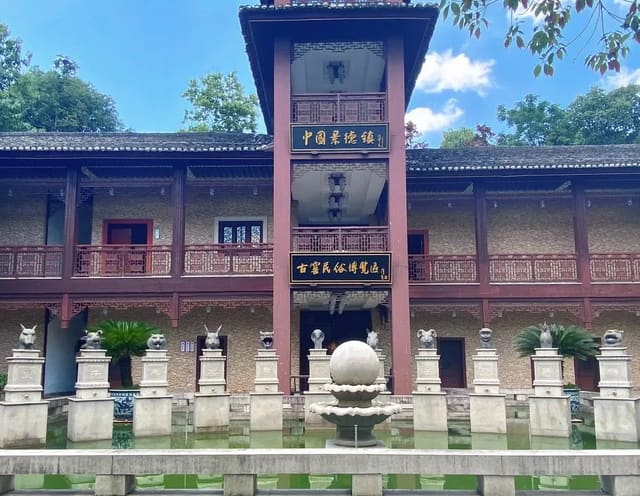
Niche heritage site · Shanxi
Pingyao Ancient City
A walled Ming-Qing city where banking history, temple sculpture and a living lacquer craft sit inside the same 5A-listed old town. Is it worth visiting — and what will you actually see?
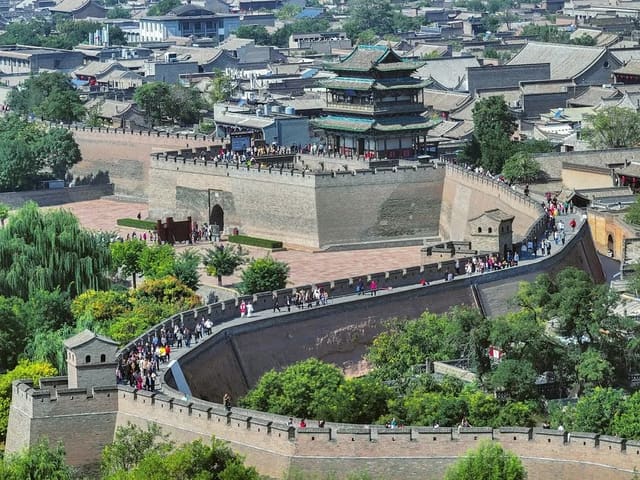
Niche heritage site · Shanxi
Yungang Grottoes
A Northern Wei cave complex near Datong where the numbered caves carry the story — Cave 5’s 17-metre Buddha, the open-air Cave 20 figure, and the earliest Tanyao caves. How to read them, and how to get there.
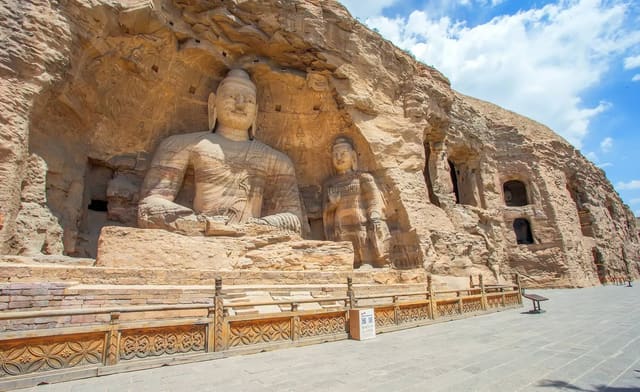
Niche heritage site · Henan
Longmen Grottoes
A river corridor of caves near Luoyang, carved from the Northern Wei to the Tang — early inscriptions at Guyang, the Tang Lushena Buddha at Fengxian Temple, and how to get there.
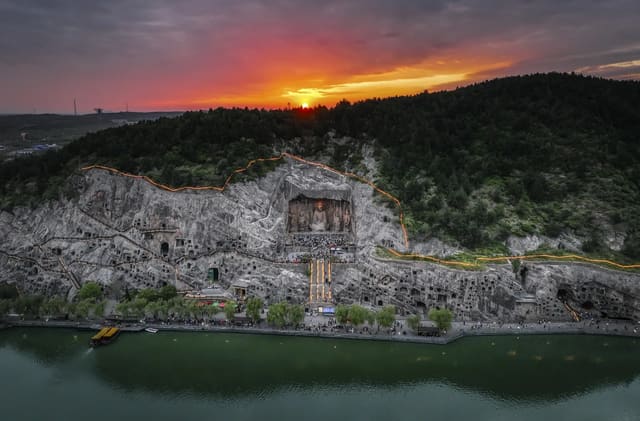
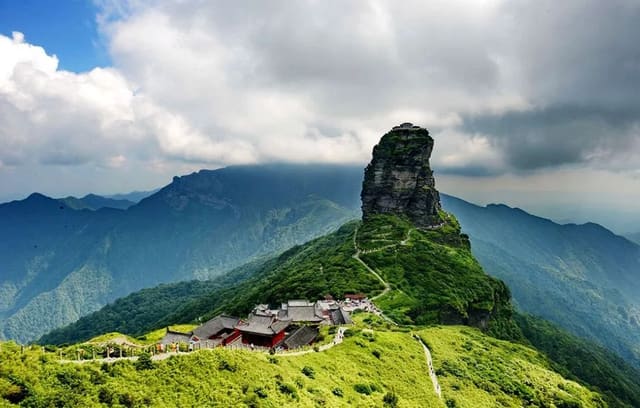
Niche heritage site · Guizhou
Fanjingshan Temples
Two summit halls joined by a bridge on Red Cloud Golden Summit, Mushroom Rock below, and a UNESCO natural heritage area. Which gate to use, and how to plan the climb.
Niche heritage site · Gansu
Maijishan Grottoes
Modelled clay figures and the "Oriental Smile" on walkways clinging to a cliff — one of China's four great grottoes, and how to reach it from Tianshui.
Niche heritage site · Jiangxi
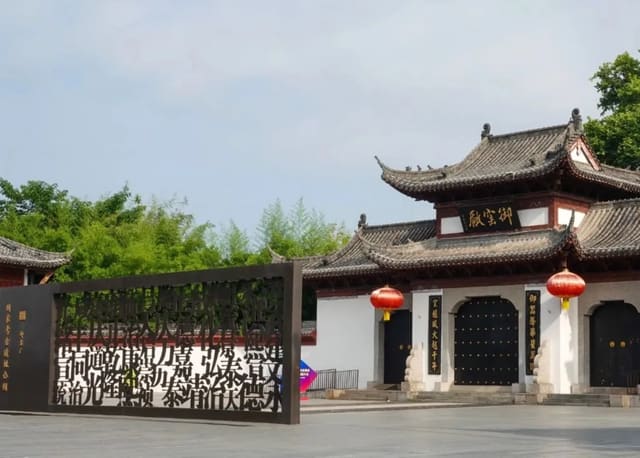
Jingdezhen
China's porcelain capital — inscribed on the World Heritage List in 2026. See the Imperial Kiln, working workshops and where you can try the craft yourself.
Niche heritage site · Hubei
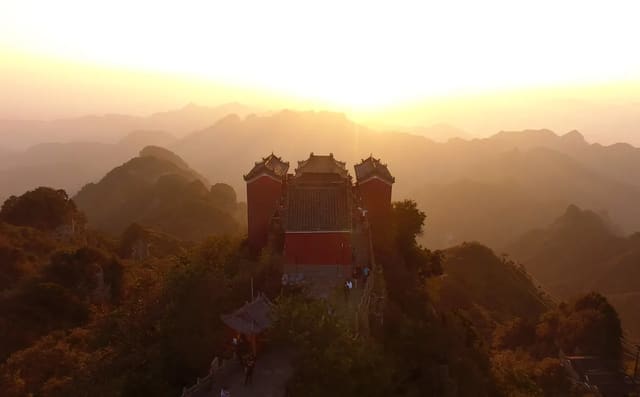
Wudang Mountains
A UNESCO-listed complex of Daoist palaces on a mountain route. See the 1307 Golden Shrine, the cliff-side Nanyang Palace and the setting behind the martial traditions — not a school prospectus.
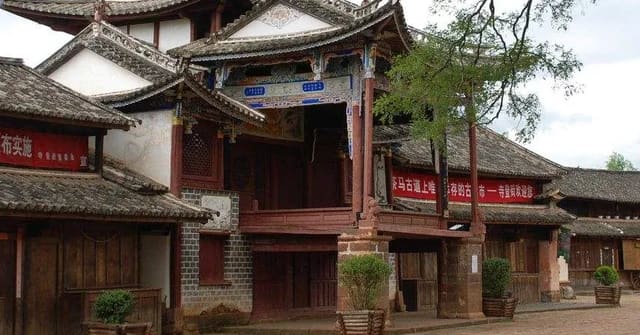
Niche heritage town · Yunnan
Shaxi Ancient Town
A Tea Horse Road market town in Jianchuan, restored rather than rebuilt. Walk Sideng Street, see Xingjiao Temple and the old stage, and meet the Bai crafts still practised here.
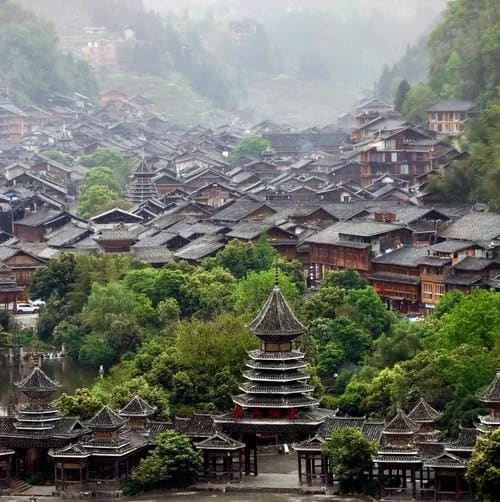
Niche Dong village · Guizhou
Zhaoxing Dong Village
Five clan drum towers, wind-and-rain bridges and the Grand Song of the Dong — UNESCO intangible heritage heard live. See how it differs from the more commercialised Xijiang Miao Village.
Winter city · Heilongjiang
Harbin
Ice sculpture from the Songhua River, an annual ice and snow festival, a City of Music with a winter art season, and Russian-era streets. See how a Harbin winter differs from a ski trip.

Where heritage lives
Not a backdrop. The reason to go.
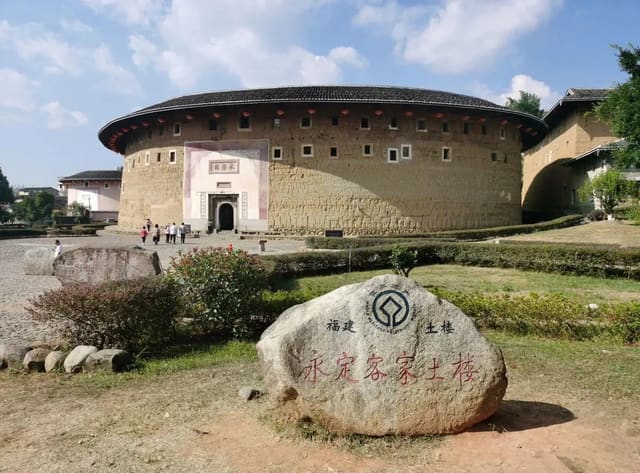
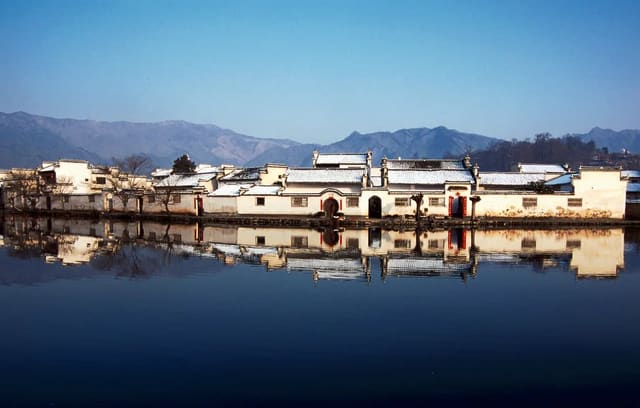
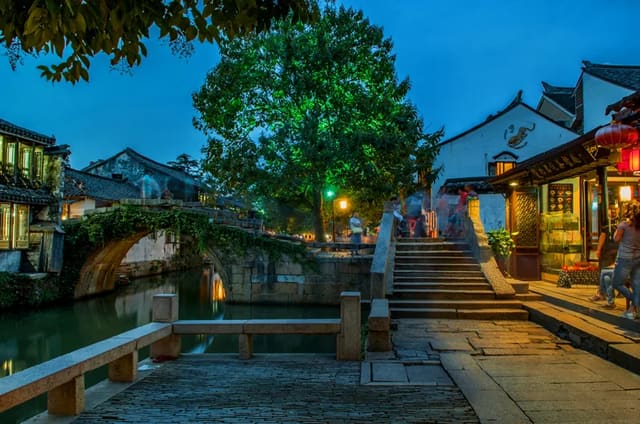
A water town, an earthen building, a temple district — these are not scenery attached to a culture. They are the places that shaped it. We photograph and describe them so you can recognise them when you arrive.
Built on official registers
Real names. Traceable sources.
Every site and hotel name on a route page comes from a national register published by China’s Ministry of Culture and Tourism. We do not invent places, and we do not hold prices — those change and belong with the provider.
- 3,347
- official tourism entities in our snapshot
- 4,234
- national intangible heritage items
- 45
- Chinese elements on the UNESCO list
- 3,995
- national representative inheritors
How we choose a city
We look for places where cultural depth and the ability to visit overlap. The table below shows the kind of evidence behind a route — not a ranking, and not a claim that one city is better than another.
| City | Heritage focus | National visit register | Route |
|---|---|---|---|
| Suzhou | Kunqu opera, gardens, silk and embroidery | 6 5A-listed scenic areas; 7 five-star hotels | Day tour |
| Anyang | Shang archaeology, oracle bone script | World Heritage site and 5A-listed museum area | Museum visit |
| Jingdezhen | Porcelain craftsmanship, imperial kilns | UNESCO-listed (2026, handicraft porcelain industry sites); 5A-listed (2013, Ancient Kiln Folk Customs Park) | Niche site |
| Hangzhou | Longjing tea, silk, fans and seal carving | Three 5A-listed scenic areas including West Lake; 16 five-star hotels | Day tour |
| Xi’an | Terracotta army, Ming city wall, Tang Chang’an, paomo | Five 5A-listed scenic areas; 14 five-star hotels | Day tour |
| Beijing | Forbidden City, cloisonne, Peking opera, hutongs | Nine 5A-listed scenic areas; 134 national ICH items | Day tour |
| Guangzhou | Chen Clan Ancestral Hall, Cantonese opera, Guang embroidery, Shamian | Two 5A-listed scenic areas; 23 national ICH items | Day tour |
| Shanghai | Yu Garden, old walled city, shikumen lanes, Jiangnan crafts | Five 5A-listed scenic areas; 101 national ICH items | Day tour |
| Pingyao | Ming wall, draft-bank compounds, temple sculpture, polished lacquer | One 5A-listed scenic area (2015); UNESCO-inscribed 1997; two national ICH items | Niche site |
| Yungang | Numbered Northern Wei caves, Cave 5’s 17 m Buddha, open-air Cave 20 | 5A-listed (2007); UNESCO-inscribed 2001; 45 main caves and 252 niches | Niche site |
| Longmen | Guyang inscriptions, Binyang carving, Tang Lushena Buddha at Fengxian Temple | 5A-listed (2007); UNESCO-inscribed 2000; 2,300+ caves and nearly 110,000 figures | Niche site |
| Fanjingshan | Twin summit temples at 2,336 m, Mushroom Rock, Ming stele, east and west gates | 5A-listed (2018); UNESCO natural heritage (2018); Wuling peak at 2,572 m | Niche site |
| Maijishan | Modelled clay figures and the "Oriental Smile", cliff-side walkways, one of China's four great grottoes | 5A-listed (2011); Silk Roads UNESCO component (2014); 221 niches, 10,632 figures | Niche site |
| Jingdezhen | Imperial Kiln and Hutian kiln sites, working porcelain workshops, hands-on pottery studios | UNESCO-listed (2026, handicraft porcelain industry sites); 5A-listed (2013, Ancient Kiln Folk Customs Park) | Niche site |
| Wudang Mountains | Golden Shrine and Nanyang Palace, Daoist temple music and martial arts, mountain walking routes | UNESCO-listed (1994, ancient building complex); 5A-listed (2011); 53 buildings and 9 sites survive | Niche site |
| Shaxi | Tea Horse Road market street, Xingjiao Temple and old stage, living Bai woodcarving and tie-dye | Restored historic town in Jianchuan, Yunnan; two national ICH items; not a UNESCO World Heritage property | Niche site |
| Zhaoxing | Five clan drum towers, wind-and-rain bridges, a Grand Song performance and Dong timber craft | Dong village in Liping, Guizhou; Grand Song on UNESCO ICH 2009 and national ICH 2006; compared with Xijiang Miao Village | Niche site |
| Harbin | Ice and Snow World, the annual ice and snow festival, a City of Music winter art season and Russian-era architecture | Winter city in Heilongjiang; Sun Island 5A (2007); ice festival is not a national ICH item; art season 138 productions / 281 performances in 2025–2026 | Niche site |
Sources: Ministry of Culture and Tourism national tourism registers and China’s national intangible cultural heritage registry, snapshot captured 24 November 2026. Counts are approximate and change as registers are updated.
Common questions
Before you plan the trip.
What is an example of a cultural experience in China?
Watching Kunqu opera in Suzhou, joining a calligraphy session, or visiting a working ceramics kiln in Jingdezhen are all cultural experiences. Unlike a sightseeing checklist, each puts you in contact with a tradition that is still practised. Every route here starts with the heritage item, then points to where you can see it.
What are some common cultural practices in China?
Practising tai chi in a public park, drinking tea made by hand, writing calligraphy, and celebrating festivals such as Spring Festival and Dragon Boat Festival are everyday cultural practices. Many are inscribed on the national intangible cultural heritage register, which is the starting point for the routes on this page.
What are 10 examples of intangible cultural heritage in China?
Examples include Kunqu opera, Chinese calligraphy, traditional tea processing, silk weaving and embroidery, Longquan celadon, shadow puppetry, the guqin, Chinese paper cutting, the Dragon Boat Festival and Spring Festival. Each has a dedicated page in our atlas, linked from the routes below.
Which country has the most intangible cultural heritage elements?
China has one of the largest numbers of elements on UNESCO’s Representative List of the Intangible Cultural Heritage of Humanity. China’s national ICH registry records 45 inscribed elements in our 2026 snapshot. The count changes as new elements are added, so check UNESCO’s list for the current figure.
What are the cultural heritages of China?
China’s cultural heritage spans performing arts, crafts, festivals, oral traditions and knowledge systems. Our atlas organises these into heritage items, regions, places and inheritors. The travel layer connects them to official tourism registers, so you can see where a tradition is still alive.
How do I plan a cultural trip to China?
Start with the tradition you want to understand, not a list of cities. Read the heritage page, then follow the route to the places where that tradition is practised. Our city and museum pages list sites and hotels from official national registers; opening hours and tickets change, so check them with the provider before you go.
Keep exploring