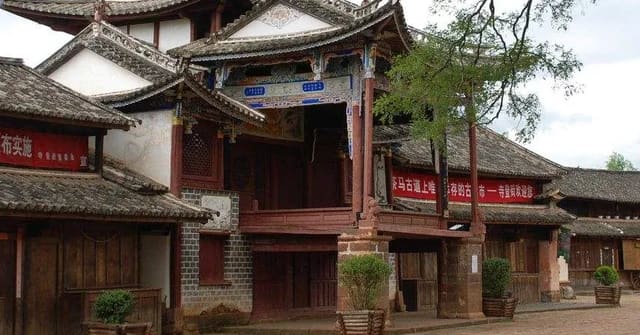
Niche Heritage Town · Yunnan
Shaxi Ancient Town
Shaxi is a market town in Jianchuan County, Yunnan, that was once a trading stop on the Ancient Tea Horse Road. It declined when the caravans stopped and was restored in recent decades. Go to see a historic market street still in use, the temples beside it and the Bai crafts people still practise — not a reconstructed theme town.
Affiliate link · we may earn a commission
Before You Go
Is Shaxi right for this trip?
Shaxi rewards an interest in living market towns and the Tea Horse Road rather than a checkpoint itinerary. It is small, slow and set among fields — go to walk the old street and meet the crafts, not to tick off a UNESCO label.
Good fit
- Sideng Street, a historic market square still in everyday use
- Xingjiao Temple and the old stage beside the square
- Living Bai crafts — woodcarving, weaving, tie-dye and woodblock printing
- Shibao Mountain nearby, with Buddhist carvings and cliff temples
- A slower stop on a Dali–Lijiang route
Consider elsewhere
- A UNESCO World Heritage site — Shaxi is not on that list (see the FAQ)
- A large nightlife or shopping district — this is a small restored town
- A single landmark you can finish in an hour — the appeal is the street and the villages around it
- Visitors wanting live ticket or hotel prices — we do not hold them here
Shaxi sits in Jianchuan County in north-west Yunnan, roughly between Dali and Lijiang. Xinhua describes it as a remote town that was once an important trading hub for tea, herbs, silks and salt on the Ancient Tea Horse Road, a trade route dating back to the Tang dynasty. When modern roads and transport replaced the caravans in the late twentieth century, the town declined; a local restoration project then set out to preserve its buildings and landscape.
The centre of that effort is Sideng Street and its old stage. Xinhua's reporting shows the street still in use — horse riders crossing the Yujin Bridge, villagers weaving and making embroidered sachets, a craftsman carving Jianchuan woodwork and an inheritor of the Shibaoshan Song Festival rehearsing with apprentices. This is the point: the heritage here is a working street, not a sealed museum.
Most visitors arrive as a detour from a Dali or Lijiang route and stay one or two nights. Because the AIO box already answers what Shaxi is and where it sits, this page focuses on the questions that remain: whether it is worth the detour, what to actually see on the street, and how to fit it into a wider Yunnan trip.
What You See
A site you can read in layers
The wall, the bank, the temple sculpture and the lacquer workshop — each adds a period of the story. This is what a day here is made of.
More reading routes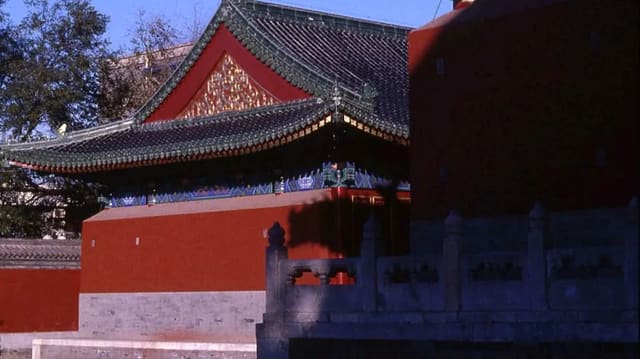
-
01 · The market square
Sideng Street and the old stage
Sideng Street is the historic centre of Shaxi and the reason people make the detour. A centuries-old wooden theatre stage anchors the square, with traditional buildings, cafés and workshops around it. Xinhua's photographs show the street still used by residents and visitors alike — arrive without a tight schedule.
Registry-backed fact
-
02 · The temple
Xingjiao Temple
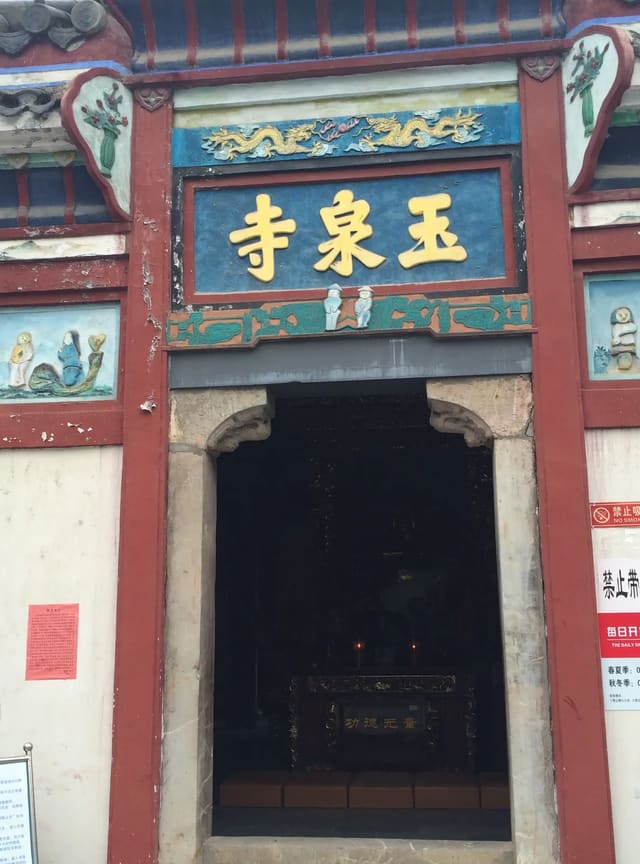
Xingjiao Temple stands across from the old stage. The Baike caption on the site describes its architecture as showing typical Bai timber-carving style; the travel SERP also lists it among the town's main landmarks. It is a short walk from the square, so treat it as part of the same visit rather than a separate trip.
Xingjiao Temple — Bai-style timber work beside the old stage. -
03 · The bridge
Yujin Bridge and the caravan track
Xinhua photographed visitors and villagers crossing the Yujin Bridge on horseback and a surviving section of the ancient Tea Horse Road at Sideng Village. The bridge and track are the physical evidence of the trade the town grew around — walk them slowly rather than treating them as a photo stop.
-
04 · The living crafts
Woodcarving, weaving and the Friday market
Jianchuan woodcarving and the Shibaoshan Song Festival are both national intangible heritage items recorded in the national register for Jianchuan County. Xinhua also documented Bai weaving, embroidered sachets, tie-dye and a visitor trying the local Jiama woodblock print. The Friday market is the traditional gathering day; check current arrangements locally before you go.
Registry-backed fact
-
05 · The mountain
Shibao Mountain
About 25 km from Shaxi, Shibao Mountain is known for Buddhist rock carvings and cliff temples, and is the setting of the Shibaoshan Song Festival. It makes a natural half-day extension from the town if you want to connect the market street with the wider religious landscape.
-
06 · The route
Between Dali and Lijiang
Shaxi is commonly visited as a detour between Dali and Lijiang rather than as a standalone destination. Allow at least one night to feel the street after day visitors leave. Road and transport arrangements change — check current services before you plan the leg.
If the wall and the craft interest you
See the guided ways to visit
Walks and temple visits are the two options people most often compare here. Check current availability and cancellation terms on the provider page before you book.
See Yunnan & Dali toursAffiliate link · we may earn a commission
The Source
What the sources actually say
The town-level facts below come from a Xinhua report and the national intangible heritage register, not from an editorial estimate. Shaxi is often described in travel writing as a World Heritage site; it is not. See the FAQ for the distinction.
- Tang
- Period when the Ancient Tea Horse Road trade route dates back to, per Xinhua
- 2024
- Year Xinhua reports over 3 million tourist trips to Shaxi
- 2
- National ICH items registered for Jianchuan County that connect to the visit: Jianchuan woodcarving and the Shibaoshan Song Festival
- Not listed
- Shaxi is not a UNESCO World Heritage property (the 2001 World Monuments Watch is a different list)
Source: Xinhua News Agency / China ICH project register / UNESCO World Heritage Centre. Xinhua report, 27 April 2025; ICH and UNESCO snapshots, 25 November 2026..
What do people actually go to Shaxi for?
Search results mix a restored market town, a heritage listing that is often misstated, and a wider Dali–Lijiang route. This table separates them so you can plan the detour accurately.
| Kind of place | What you actually see | Why it matters |
|---|---|---|
| Historic market street | Sideng Street, the old stage, Xingjiao Temple and the Yujin Bridge | A Tea Horse Road trading centre that was restored and remains in everyday use |
| Living craft town | Jianchuan woodcarving, Bai weaving and tie-dye, Jiama woodblock printing | Two of the crafts and festivals here are on the national intangible heritage register |
| Heritage listing | World Monuments Watch attention, not a UNESCO World Heritage inscription | Travel writing often blurs the two — this guide keeps them separate |
Common Questions
Is Shaxi Ancient Town worth visiting?
If you like historic market towns and want to see a Tea Horse Road stop that is still lived in, yes. One night is enough for the square and the temple; add Shibao Mountain if you want a fuller day. If you are looking for a UNESCO-listed giant or a nightlife district, this is not it.
What are the main attractions in Shaxi Ancient Town?
Sideng Street and its old theatre stage are the centre, with Xingjiao Temple across the square and the Yujin Bridge nearby. The Friday market and the workshops around the street are part of the appeal, and Shibao Mountain lies about 25 km away.
Is Shaxi part of Dali?
Shaxi is in Jianchuan County, in the Dali Bai Autonomous Prefecture of Yunnan. It is not in Dali city — it sits on the route between Dali and Lijiang, which is why visitors usually treat it as a detour from that corridor.
What is Shaxi all about?
It was a trading stop on the Ancient Tea Horse Road, handling tea, herbs, silk and salt. It declined when the caravans disappeared, then underwent a local restoration project. Today it is known for a preserved market square, temples and living Bai crafts.
Is Shaxi a UNESCO World Heritage site?
No. Shaxi is not inscribed on the UNESCO World Heritage List, and a search of UNESCO's tentative list did not return a Shaxi or Jianchuan entry. Travel writing sometimes says a 2001 World Monuments Watch listing makes it a World Heritage site — that is a different organisation and a different list. Check UNESCO's own list if this matters to your trip.
How do I get to Shaxi?
Most visitors reach it as a detour from Dali or Lijiang in Yunnan. Road and transport arrangements change, so check current services before you plan. Staying one night lets you see the street after the day visitors have left.
Plan Your Visit
Tours and experiences
Compare guided options in one place. Prices and availability are set by each provider and are not maintained on this page.
As an affiliate, we may earn a commission from qualifying purchases. Prices and availability are set by the provider and are not maintained on this page.
Sources and data note
Facts: Xinhua, "Reviving Shaxi Town on ancient Tea Horse Road", 27 April 2025 (Jianchuan County location; Tea Horse Road trade in tea, herbs, silks and salt; Tang-dynasty origins of the route; late-20th-century decline; local restoration; Yujin Bridge, old stage, Sideng Village; Bai weaving, tie-dye and embroidery; Jianchuan woodcarving; Shibaoshan Song Festival as national ICH; over 3 million tourist trips in 2024); China ICH project register (Jianchuan woodcarving Ⅶ-058_03_532931, 2011; Shibaoshan Song Festival Ⅹ-105_02_532931, 2008, both Jianchuan County); UNESCO World Heritage Centre tentative-list search (no Shaxi/Jianchuan entry). The 2001 World Monuments Watch figure follows the independent SERP AIO and is deliberately hedged as a non-UNESCO list. Affiliate links are destination/category deep links, not live prices; replace with your own tracking URLs before launch.
Another wall, another tradition
More niche heritage sites
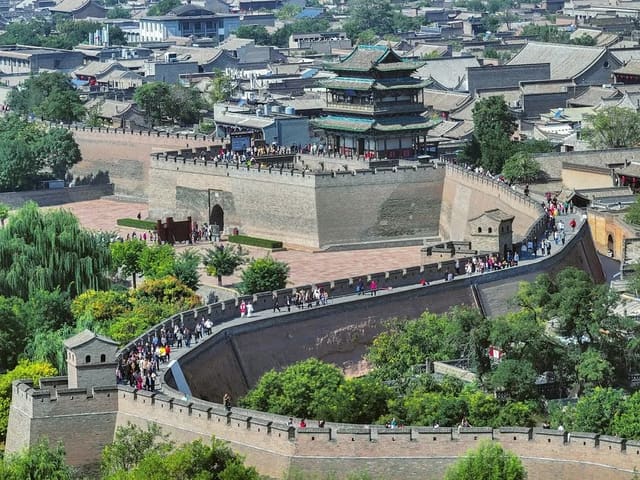 Pingyao Ancient City Niche Heritage Site · Shanxi
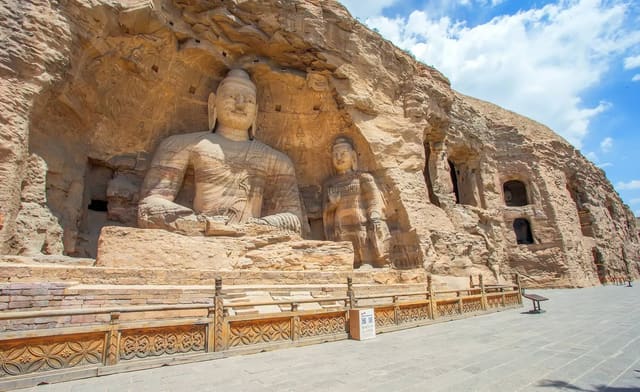 Yungang Grottoes Niche Heritage Site · Shanxi
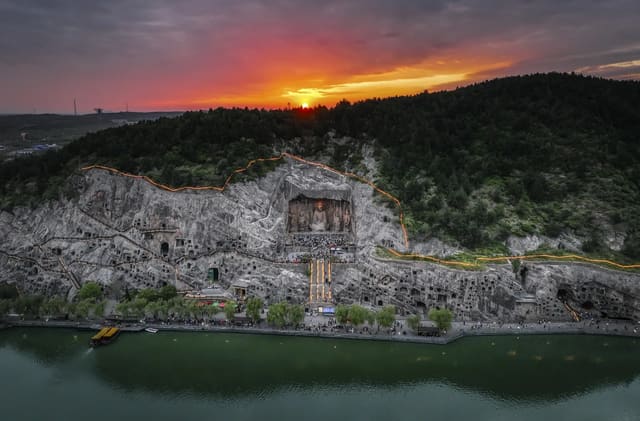 Longmen Grottoes Niche Heritage Site · Henan
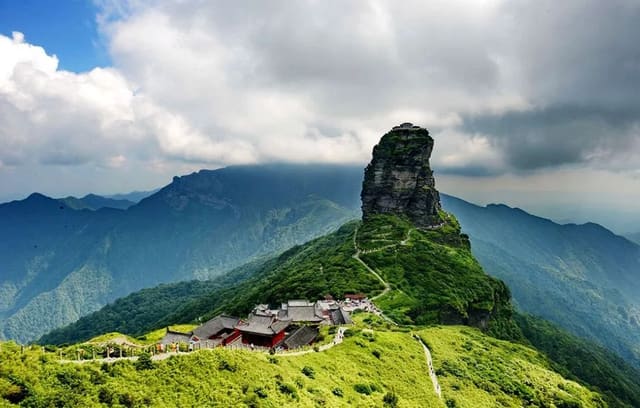 Fanjingshan Temples Niche Heritage Site · Guizhou
 Maijishan Grottoes Niche Heritage Site · Gansu
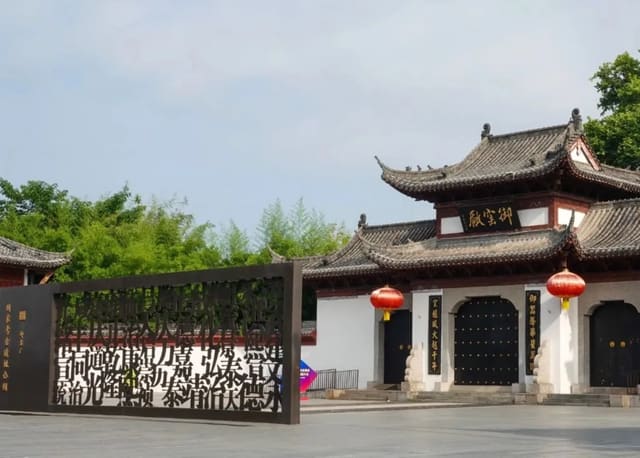 Jingdezhen Porcelain Capital Niche Heritage Site · Jiangxi
 Wudang Mountains Niche Heritage Site · Hubei
 Zhaoxing Dong Village Niche Dong Village · Guizhou
 Harbin Winter City · Heilongjiang