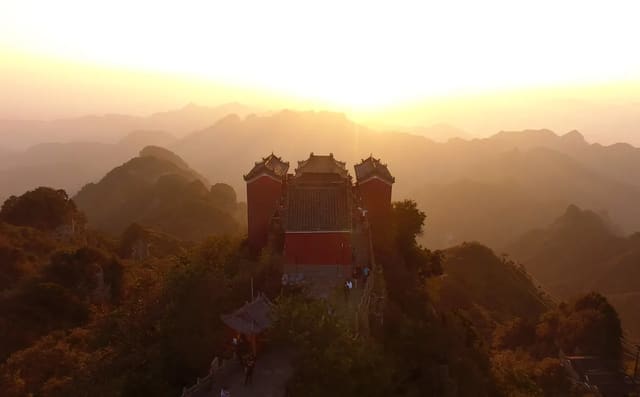
Niche Heritage Site · Hubei
Wudang Mountains
Wudang is a mountain range in Hubei whose palaces and temples were inscribed on the World Heritage List in 1994. It is a place to see Daoist architecture in a mountain landscape and to understand the setting behind the martial arts traditions — not a school prospectus. Here is what to see, how the routes fit together, and how to plan the visit.
Affiliate link · we may earn a commission
Before You Go
Is Wudang right for this trip?
Wudang rewards an interest in Daoist architecture and mountain routes. Its temples are part of a UNESCO property and its martial traditions are national intangible heritage — go to see the buildings and the landscape, not to enrol in a course.
Good fit
- A UNESCO-listed complex of palaces and temples, inscribed in 1994
- Mountain walking between temple compounds, including the Golden Summit
- Seeing the Daoist setting behind Wudang martial traditions
- National intangible heritage: Wudang temple music, Wudang martial arts and the Wudang temple fair
- Combining with a wider Hubei route through Shiyan or Wuhan
Consider elsewhere
- A martial arts course or academy — this page does not sell training or classes
- A single monument you can finish in an hour — the sites are spread along a mountain route
- Visitors wanting live ticket or cable-car prices — we do not hold them here
- A flat, easy city walk — much of the visit involves climbing and steps
The Wudang Mountains are in north-west Hubei province, near Shiyan and Danjiangkou. In 1994 UNESCO inscribed the Ancient Building Complex in the Wudang Mountains on the World Heritage List. The official description traces Daoist buildings on the mountain back to the seventh century, with the surviving palaces and temples mostly representing Yuan, Ming and Qing architecture; the complex reached its largest scale under the Ming.
What you actually see is a chain of compounds set among peaks and valleys: the bronze Golden Shrine on Tianzhu Peak, the cliff-side Nanyang Palace, and the Purple Heaven Palace, among others. UNESCO records that at its Ming peak the complex included nine palaces, nine monasteries, thirty-six nunneries and seventy-two temples; today 53 ancient buildings and nine architectural sites survive.
Wudang is also associated in the public imagination with internal martial arts. That connection is real as intangible heritage — Wudang martial arts and Wudang temple music are on China's national list — but the popular story that credits Zhang Sanfeng with inventing tai chi is legend rather than documented history. This page keeps the two apart: buildings and routes first, the cultural context of the martial traditions second.
What You See
A site you can read in layers
The wall, the bank, the temple sculpture and the lacquer workshop — each adds a period of the story. This is what a day here is made of.
More reading routes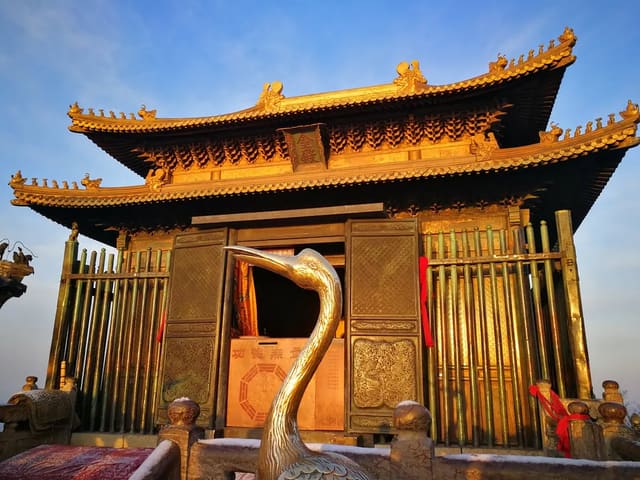
-
01 · The golden summit
Golden Shrine on Tianzhu Peak
The gilded bronze shrine on the summit is one of the best-known structures of the property. UNESCO dates both the Golden Shrine and the Ancient Bronze Shrine to 1307 — prefabricated bronze buildings assembled on the mountain. The climb to the summit is the physical high point of a Wudang visit.
The Golden Shrine — a bronze building dated 1307 by UNESCO. Registry-backed fact
-
02 · The cliff complex
Nanyang Palace
Nanyang Palace dates to the twelfth and thirteenth centuries and is built against the cliff. Its stone-built halls and the projecting incense terrace are the kind of engineering that makes Wudang more than a collection of temples. Allow time to walk the compound rather than photographing it from a distance.
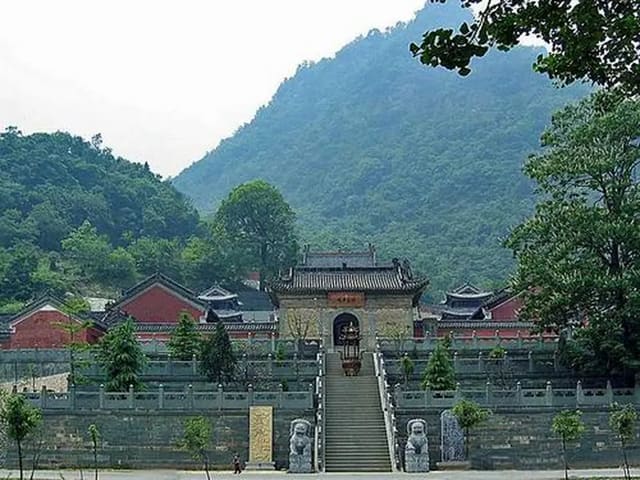
Nanyang Palace — a twelfth-to-thirteenth-century component of the property. Registry-backed fact
-
03 · The Ming core
Purple Heaven Palace and the Forbidden City
Purple Heaven Palace was first built in the twelfth century, rebuilt in the fifteenth and extended in the nineteenth. UNESCO also records a stone-walled "Forbidden City" on the mountain dated 1419, built during the Ming campaign that gave the complex its organised form. These are the structures that show the scale of the imperial patronage.
Registry-backed fact
-
04 · The living tradition
Temple music, martial arts and the temple fair
Wudang is a living cultural site, not only a building complex. Wudang temple music (national ICH, 2006), Wudang martial arts (national ICH, 2006) and the Wudang temple fair (national ICH, 2008) are all on China's national intangible heritage list. Visitors encounter these through temple practice and cultural presentations; this page does not arrange or sell training.
Registry-backed fact
-
05 · The mountain route
Getting around and how long to allow
The sites are distributed along the mountain rather than in one compound. A focused visit to the main palaces and the summit takes a full day; adding the lower temples and a slower pace takes two. Transport and cable-car arrangements change, so check current operating information before you travel.
-
06 · Getting there
From Shiyan, Wuhan and Danjiangkou
The scenic area is administered through the Wudang Mountains special zone near Shiyan in Hubei. Visitors commonly arrive via Shiyan or Wuhan and continue by road. Check current rail and road connections before planning the leg.
If the wall and the craft interest you
See the guided ways to visit
Walks and temple visits are the two options people most often compare here. Check current availability and cancellation terms on the provider page before you book.
See Hubei & Shiyan toursAffiliate link · we may earn a commission
The Source
What the registers actually say
The figures below come from UNESCO's property description and the national tourism and intangible-heritage registers, not from an editorial estimate. Where popular accounts and documentation disagree — as with the Zhang Sanfeng story — this page says so rather than choosing a side.
- 1994
- Year the Ancient Building Complex in the Wudang Mountains was inscribed on the World Heritage List
- 7th c.
- Earliest Daoist buildings traced by UNESCO on the mountain
- 62
- Surviving ancient buildings and architectural sites inside the property (53 buildings + 9 sites)
- 5A
- Wudang Mountains scenic area listed as a national 5A attraction (2011)
Source: UNESCO World Heritage Centre / Ministry of Culture and Tourism / China ICH register. Official registry snapshot, 2026-11-25..
What do people actually go to Wudang for?
Search results mix a heritage property, a mountain route and martial-arts schools. This table separates them so you can plan a visit rather than a course enrollment.
| Kind of place | What you actually see | Why it matters |
|---|---|---|
| Heritage buildings | Golden Shrine, Nanyang Palace, Purple Heaven Palace, the 1419 stone "Forbidden City" | The UNESCO property preserves 53 buildings and 9 sites of Yuan, Ming and Qing architecture |
| Mountain route | Walking between temple compounds and up to the Golden Summit | The buildings are set across peaks and valleys, not in a single visitor area |
| Martial arts schools | Training programmes and residential courses run by private academies | These are separate commercial offerings — not what this heritage guide arranges or ranks |
Common Questions
Is Wudang Mountain worth visiting?
If you want to see Daoist temple architecture in a mountain landscape, yes. The ancient building complex is a UNESCO World Heritage property and the main palaces and the Golden Summit make a full day. If you are only looking for a martial-arts course, this guide is not the right place.
How long does it take to climb Wudang Mountain?
A focused visit to the main palaces and the summit takes a full day; two days allows a slower route through the lower temples. The exact time depends on the path and transport you choose — check current operating information before you go.
What city is Wudang Mountain in?
The scenic area is in north-west Hubei province, near Shiyan and Danjiangkou. Visitors usually arrive through Shiyan or Wuhan; check current rail and road connections before planning the leg.
What is the difference between Wudang kung fu and tai chi?
Wudang martial arts is a national intangible heritage item associated with the mountain, while taijiquan is a broader internal martial art with documented origins in Chenjiagou, Henan. Traditional accounts link both to Zhang Sanfeng at Wudang, but modern historical research treats that attribution as legend rather than documented fact.
What is the difference between Shaolin and Wudang?
They are different traditions: Shaolin is a Buddhist monastery tradition in Henan, while Wudang is a Daoist mountain tradition in Hubei. Popular comparisons often rank one as "stronger", but that is a matter of school and practice, not a fact this guide assesses.
Was Wudang Mountain featured in The Karate Kid?
Wudang is a familiar film and television setting for martial-arts stories. The screen locations and the heritage site are not the same thing, so treat screen references as cultural context rather than a travel itinerary.
Plan Your Visit
Tours and experiences
Compare guided options in one place. Prices and availability are set by each provider and are not maintained on this page.
As an affiliate, we may earn a commission from qualifying purchases. Prices and availability are set by the provider and are not maintained on this page.
Sources and data note
Facts: UNESCO World Heritage Centre, "Ancient Building Complex in the Wudang Mountains" (list 705, inscribed 1994, criteria i/ii/vi; 7th-century Daoist origins; 53 surviving buildings and 9 sites; Golden and Ancient Bronze Shrines dated 1307; stone "Forbidden City" 1419; Purple Heaven Palace 12th/15th/19th centuries; Nanyang Palace 12th–13th centuries); Ministry of Culture and Tourism 5A register (Wudang Mountains scenic area, 2011); national ICH project register (Wudang temple music and Wudang martial arts, 2006; Wudang temple fair, 2008). The Zhang Sanfeng attribution is presented as tradition, with the documented Chenjiagou origin of taijiquan noted separately. Affiliate links are destination/category deep links, not live prices; replace with your own tracking URLs before launch.
Another wall, another tradition
More niche heritage sites
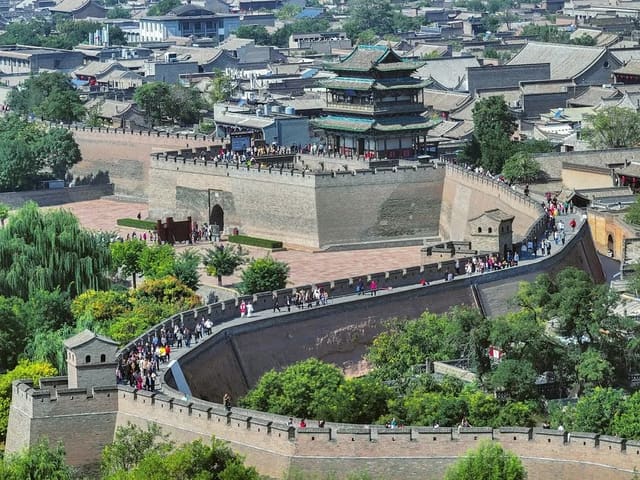 Pingyao Ancient City Niche Heritage Site · Shanxi
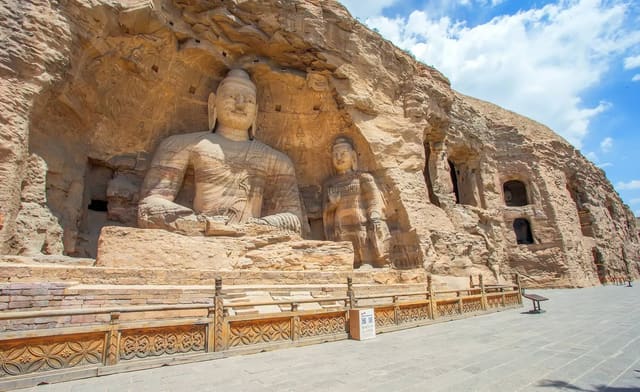 Yungang Grottoes Niche Heritage Site · Shanxi
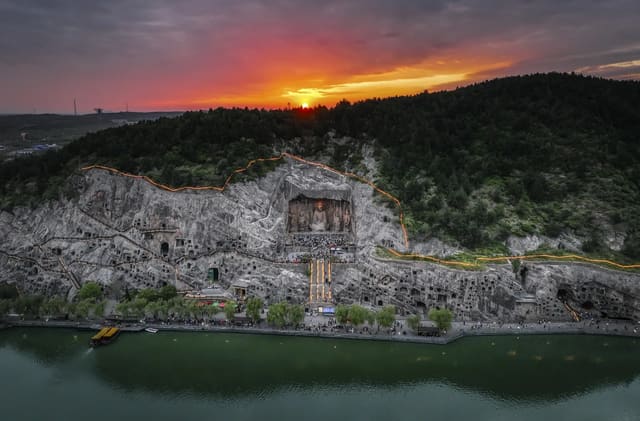 Longmen Grottoes Niche Heritage Site · Henan
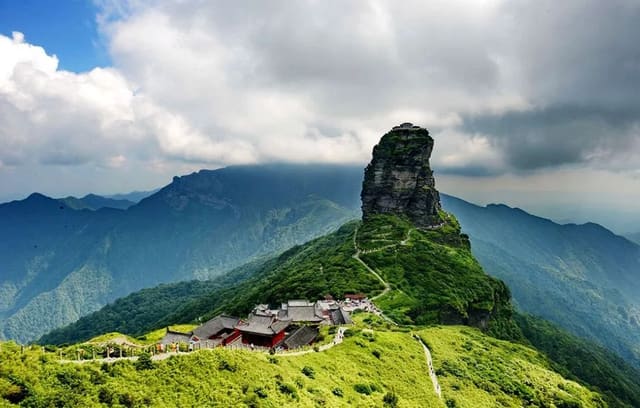 Fanjingshan Temples Niche Heritage Site · Guizhou
 Maijishan Grottoes Niche Heritage Site · Gansu
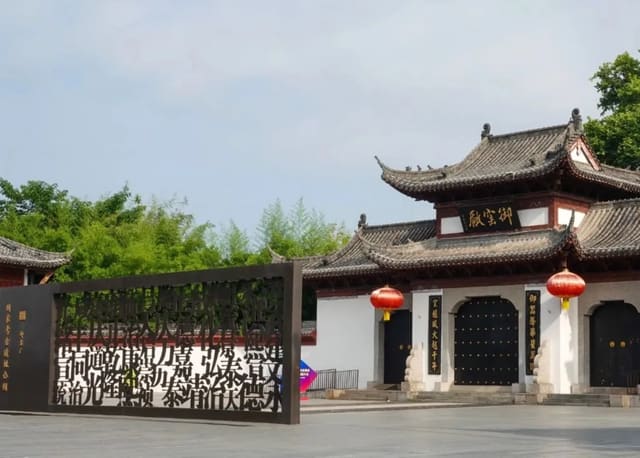 Jingdezhen Porcelain Capital Niche Heritage Site · Jiangxi
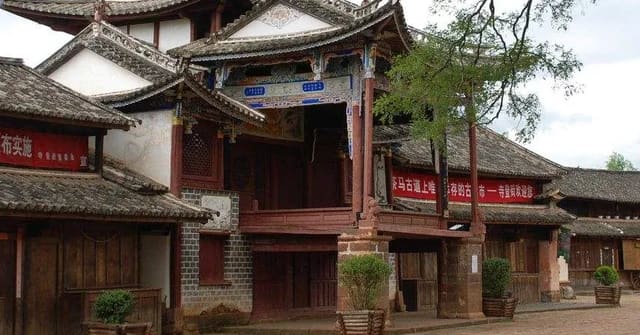 Shaxi Ancient Town Niche Heritage Town · Yunnan
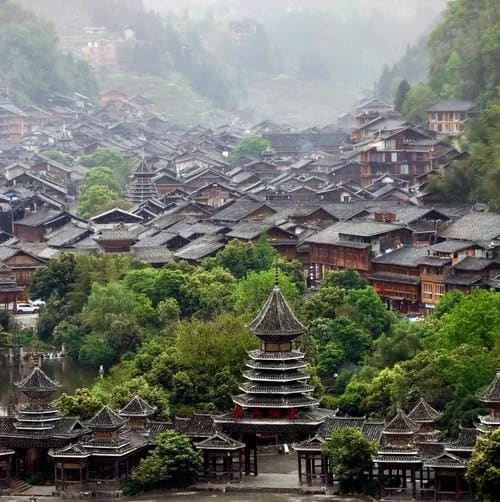 Zhaoxing Dong Village Niche Dong Village · Guizhou
 Harbin Winter City · Heilongjiang