Niche Heritage Site · Jiangxi
Jingdezhen Porcelain Capital
Jingdezhen is where you go to understand porcelain by seeing it made. Its handicraft porcelain industry sites joined the World Heritage List in 2026, and the workshops are still working. Here is what to see, how to try the craft yourself, and how to plan the visit.
Affiliate link · we may earn a commission
Before You Go
Is Jingdezhen right for this trip?
Jingdezhen rewards curiosity about how things are made. It is a working ceramics city with a world-class heritage layer — go to see the kilns, the hands and the craft, not to shop for tableware.
Good fit
- A UNESCO World Heritage property added in 2026, built around working kiln sites
- Seeing porcelain made by hand in studios that are still in production
- Trying a short pottery session or a longer workshop
- The Imperial Kiln, Hutian kiln and Kaolin clay-mining sites
- A two-to-three day study trip out of Shanghai or Nanchang
Consider elsewhere
- A shopping trip for porcelain — this page is not a product catalogue
- A single landmark you can tick off in an hour — the sites are spread across the city
- Visitors wanting live workshop or ticket prices — we do not hold them here
- A nature-focused trip — this is an industrial and craft landscape
Jingdezhen sits in north-east Jiangxi province and is known in Chinese as the "porcelain capital". Its craft did not stop in a museum: the city still produces porcelain by hand, and in July 2026 the "Jingdezhen Handicraft Porcelain Industry Sites" were inscribed on the UNESCO World Heritage List at the 48th session in Busan. The property is made up of five components — the town-centre production area, the Hutian ancient kiln site, the Gaoling clay mine, the Changling porcelain-stone mine and the Jiaotan kiln-fuel area — with 45 heritage points in total.
The draw here is the chain from raw material to finished vessel. You can see the Imperial Kiln site where court wares were made, the older kiln at Hutian, the clay and stone sources outside the city, and working studios where the techniques are still practised. The UNESCO committee described the site as a representative survival of a hand-made porcelain industry between the 10th and 19th centuries.
Because the places are spread out and the studios are actual workplaces, the useful questions are which sites to prioritise and how to arrange a hands-on session. This page takes the heritage first, then the living craft, then the practical route.
What You See
A site you can read in layers
The wall, the bank, the temple sculpture and the lacquer workshop — each adds a period of the story. This is what a day here is made of.
More reading routes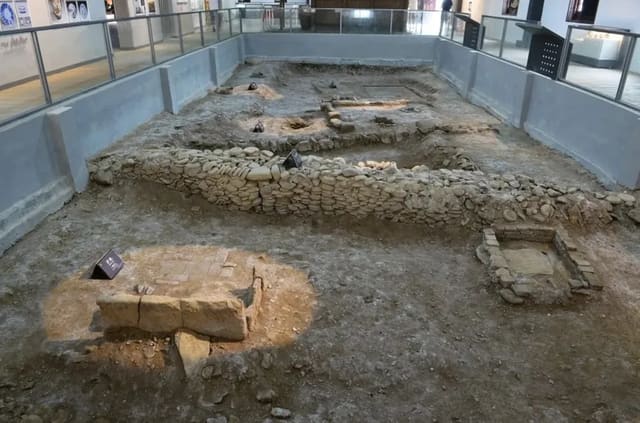
-
01 · The imperial kiln
Imperial Kiln site and Dragon Pearl Pavilion
The excavated Imperial Kiln was the court production centre, confirmed archaeologically in 1984 and protected as a national key relic. The Dragon Pearl Pavilion on the site is the familiar landmark. This is the core of the town-centre component of the World Heritage property.
Registry-backed fact
-
02 · The older kiln
Hutian ancient kiln site
Hutian is one of the five components of the UNESCO property and a separate national key cultural relic. Its kiln remains show an earlier phase of Jingdezhen production and the long sequence of technological change at the site.
Hutian — one of the five components of the World Heritage property. Registry-backed fact
-
03 · The raw material
Gaoling clay and Changling stone
The property also protects the sources: the Gaoling clay mine and the Changling porcelain-stone workings, including the Dawukeng and Xiaowuli mining remains. They explain why this particular city became a porcelain centre — the material was local.
Registry-backed fact
-
04 · The living craft
Working studios and hands-on pottery
Porcelain is still made here by hand. The national productive-protection register names Jingdezhen Chengdexuan Ceramics as a base for the Jingdezhen hand-made porcelain technique. Short throwing sessions and longer residencies are offered around the Sculpture Porcelain Factory and Taoxichuan area — book directly with a studio and check current availability.
-
05 · The old town
Ancient Kiln Folk Customs Park
The 5A-listed Ancient Kiln Folk Customs Park gathers kiln forms, demonstrations and workshops in one site — a practical starting point if you want an overview before visiting the scattered heritage components. Check current opening arrangements before you go.
Registry-backed fact
-
06 · Getting there
From Nanchang and Shanghai
Jingdezhen has a high-speed rail station with links to Nanchang and other regional hubs; many visitors combine it with a wider Jiangxi route. Allow two to three days for the main sites and a workshop. Check current train services before you travel.
If the wall and the craft interest you
See the guided ways to visit
Walks and temple visits are the two options people most often compare here. Check current availability and cancellation terms on the provider page before you book.
See Jiangxi & Nanchang toursAffiliate link · we may earn a commission
The Source
What the registers actually say
Every number below comes from the national heritage authority, the tourism register or UNESCO, not an editorial estimate. This page does not invent a graded hotel list from thin data — the local register is short, so check current options for yourself.
- 2026
- Year the Jingdezhen Handicraft Porcelain Industry Sites were inscribed on the World Heritage List
- 45
- Heritage points across five components of the UNESCO property
- 61
- China's total number of World Heritage sites after the 2026 inscription
- 5A
- Ancient Kiln Folk Customs Park listed as a national 5A attraction (2013)
Source: National Cultural Heritage Administration / Ministry of Culture and Tourism / UNESCO. Official registry snapshot, 2026-11-25..
What do you actually go to Jingdezhen for?
Search results mix heritage sites, living workshops and shoppable porcelain. The table separates them so you can plan a study trip rather than a shopping list.
| Kind of place | What you actually see | Why it matters |
|---|---|---|
| Heritage kiln sites | Imperial Kiln, Hutian ancient kiln, Gaoling clay and Changling stone mines | Five components and 45 points of a UNESCO property inscribed in 2026 |
| Working studios | Potters throwing, glazing and firing; short courses and longer residencies | The hand-made technique is still in production, with a named national protective base |
| Porcelain shops | Tableware and decorative wares sold in showrooms and online | Shopping is easy to find on its own — this guide does not rank products or prices |
Common Questions
What is Jingdezhen famous for?
Porcelain. It is known in Chinese as the "porcelain capital", and in 2026 its handicraft porcelain industry sites were added to the UNESCO World Heritage List. The city has been a major kiln centre for centuries and still produces porcelain by hand.
Is Jingdezhen worth visiting?
If you want to understand how porcelain is made and see the kiln sites behind it, yes. Allow two to three days for the heritage components and a workshop. If you only want to buy tableware, the visit is not necessary — that can be done online.
How long should I spend in Jingdezhen?
Two to three days covers the main kiln sites and a short pottery session. Add time if you want a longer workshop or to visit the clay and stone mines outside the city centre.
Is Jingdezhen near Shanghai?
Not immediately — it is in Jiangxi province. It is commonly combined with a Jiangxi route via Nanchang, which has high-speed rail connections. Check current train times before you plan the leg.
Does Jingdezhen still make porcelain by hand?
Yes. The craft is still in production, and the national productive-protection register names a Jingdezhen company as a base for the hand-made porcelain technique. Studios offer sessions to visitors; book directly and check current arrangements.
Are workshop, ticket or pottery-class prices listed here?
No. Prices and schedules change and are set by the sites and studios. This page lists registry-backed facts only; check the official announcement or the provider pages linked below for current details.
Plan Your Visit
Tours and experiences
Compare guided options in one place. Prices and availability are set by each provider and are not maintained on this page.
As an affiliate, we may earn a commission from qualifying purchases. Prices and availability are set by the provider and are not maintained on this page.
Sources and data note
Facts: National Cultural Heritage Administration announcement of 25 July 2026 — inscription at the 48th World Heritage session in Busan, five components, 45 heritage points, 1979 ha property and 5545.7 ha buffer, criteria ii/iii/iv/vi, China's 61st World Heritage site; Ministry of Culture and Tourism national 5A register (Ancient Kiln Folk Customs Park, 2013) and tourism entity data; China ICH productive-protection base register (Jingdezhen hand-made porcelain technique). "Porcelain capital" and the 10th–19th century framing follow the official announcement. Affiliate links are destination/category deep links, not live prices; replace with your own tracking URLs before launch.
Another wall, another tradition
More niche heritage sites
 Pingyao Ancient City Niche Heritage Site · Shanxi
 Yungang Grottoes Niche Heritage Site · Shanxi
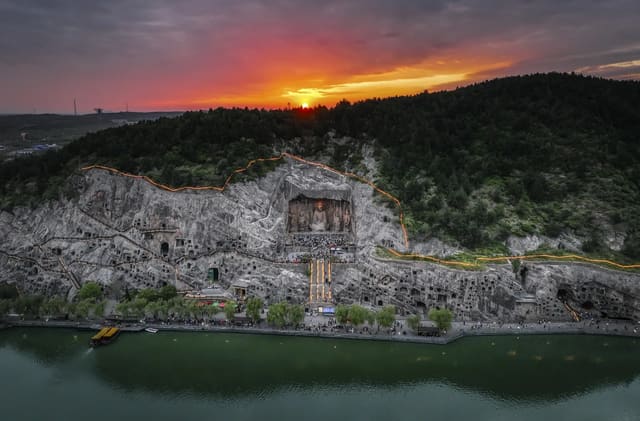 Longmen Grottoes Niche Heritage Site · Henan
 Fanjingshan Temples Niche Heritage Site · Guizhou
 Maijishan Grottoes Niche Heritage Site · Gansu
 Wudang Mountains Niche Heritage Site · Hubei
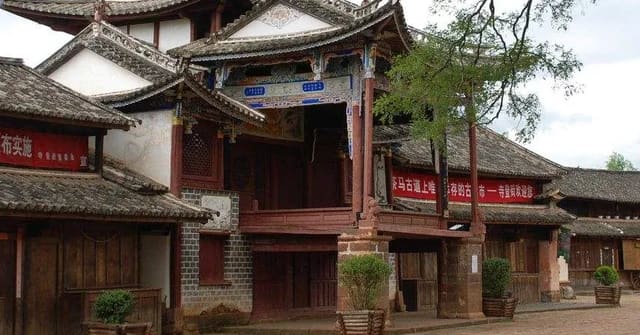 Shaxi Ancient Town Niche Heritage Town · Yunnan
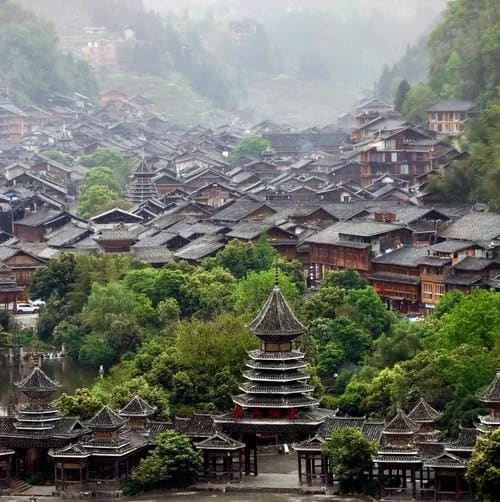 Zhaoxing Dong Village Niche Dong Village · Guizhou
 Harbin Winter City · Heilongjiang