Traditional Crafts
Jingdezhen, East China
Han Dynasty (202 BCE–220 CE), flourished from Song Dynasty (960–1279)
National Heritage
Master-Apprentice (Hands-on)
Jingdezhen Porcelain Making
Jingdezhen Porcelain
"China's porcelain capital for a millennium — the world-renowned center of blue-and-white ceramics and imperial porcelain art."
CIVILIZATION CONTEXT
This artifact is part of the Intangible Heritage Cluster. It connects to 7 entities across the atlas, spanning 1 region, 1 master, 0 festivals, and 1 skill.
Jingdezhen Porcelain: A Living Heritage
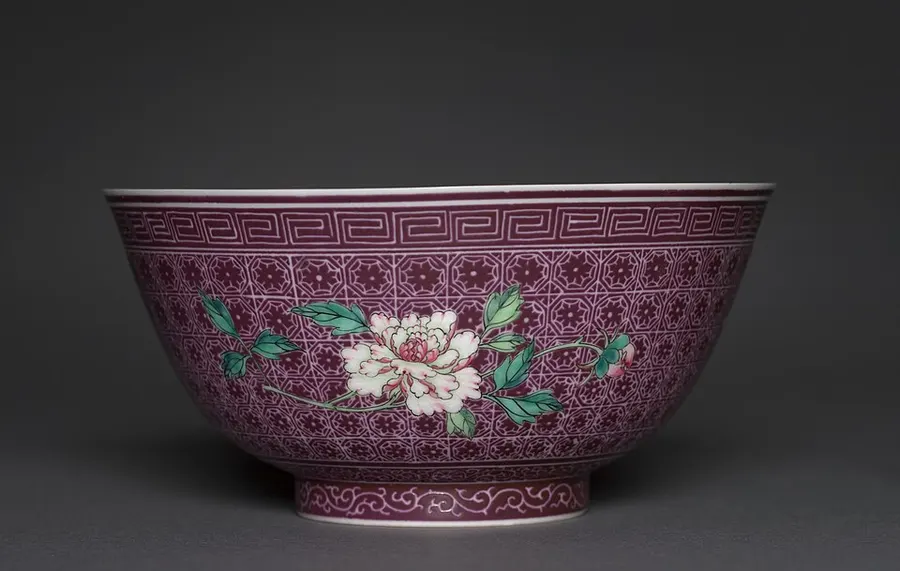
Jingdezhen in Jiangxi Province has been China's porcelain capital for over 1,000 years, producing the finest ceramics for imperial courts and global trade. The "Porcelain Capital" specializes in blue-and-white porcelain, famille rose, and monochrome glazes. The process uses local kaolin and porcelain stone, shaped on the wheel, painted with cobalt oxide (for blue-and-white), and fired at 1300°C. Jingdezhen ware was exported along the Maritime Silk Road to markets worldwide.
2228+
Years of Unbroken Lineage
1
Related Cultural Vectors
History & Development
Jingdezhen took its name in 1004 when Emperor Zhenzong ordered tribute wares stamped with his reign title Jingde. Yuan potters married kaolin paste to cobalt underglaze, Ming emperors founded the imperial kiln complex in 1369, and Qing Kangxi, Yongzheng, and Qianlong reigns pushed technical limits that European factories spent decades imitating.
Maritime exports carried millions of pieces to Lisbon, Amsterdam, and Mexico City, reshaping dining habits worldwide. The kiln firing techniques entered China's first national intangible heritage list in 2006, and the city's ceramic institutes still document each generation of master throwers and painters.
How It Is Made
- 01
Washing the clay
Kaolin and porcelain stone are levigated in ponds until fine slips settle, then kneaded into bodies that survive throwing and high heat.
- 02
Throwing and trimming
Throwers centre each lump by feel, pull walls to even thickness, and trim feet leather-hard to knife-sharp precision.
- 03
Painting underglaze
Cobalt pigment goes onto unfired biscuit, turning from grey to deep blue only after firing, so painters judge every tone blind.
- 04
Firing the saggar loads
Workers pack pieces into protective boxes and fire dragon or bottle kilns near 1,300 degrees Celsius, reading flame colour through spy holes because local sayings count seventy-two hands in one pot.
Common Questions
What makes blue-and-white possible?
Cobalt oxide withstands glaze temperatures and fuses into blue beneath clear glaze. Imported Sumali ore produced Ming's richest purples, while domestic mines gave softer greys.
Can visitors watch working kilns?
Ancient Kiln Folk Customs Museum fires restored wood kilns weekly, and Taoxichuan studios welcome watchers during evening markets every weekend.
How did export orders change the craft?
Dutch and Portuguese commissions sent armorial dinner services east, training painters in European heraldry. Those trade stories continue in the porcelain road narrative documented by museum collections on three continents.
Watch & Learn
Stories & Legends
The Porcelain Road: Jingdezhen and the World
historicalA remote town in Jiangxi produced the finest ceramics the world had ever seen for over a thousand years.
Skills & Techniques
Jingdezhen Porcelain Making expand_more
The craft of producing the finest Chinese porcelain using local kaolin and porcelain stone, shaped on the wheel, painted by hand, and fired at extreme temperatures.
Steps
- Mix kaolin with porcelain stone and refine the clay body
- Shape the vessel on a potter's wheel or by mold pressing
- Trim the leather-hard piece and attach handles or spouts
- Apply a white slip or paint underglaze decoration in cobalt blue
- Apply a transparent glaze by dipping or spraying
- Fire in a kiln at 1280–1350°C for vitrification
- Apply overglaze enamels and fire again at lower temperature
Tools
potter's wheel, trimming tools, painting brush, glaze bucket, kiln, pyrometer
Materials
kaolin (Gaoling clay), porcelain stone, cobalt oxide, feldspar, quartz, enamel pigments
Related Places
Generations Preserved
Li Jincheng
Li Jincheng is a master of Jingdezhen blue-and-white porcelain from Jiangxi Province. Apprenticed at age 14, he specializes in painting cobalt oxide designs freehand onto unfired porcelain bodies — a ...
Relationship Constellation
Tracing the invisible threads that connect Jingdezhen Porcelain to the broader civilization ecosystem.
Continue the Journey
Jingdezhen Porcelain
Traditional Crafts
Chinese Knotting
Traditional Crafts
arrow_forwardDough Figurine Art
Traditional Crafts
arrow_forwardThangka Painting
Traditional Crafts
arrow_forward