A remote town in Jiangxi produced the finest ceramics the world had ever seen for over a thousand years.
East China 29.268°N, 117.178°E
景德镇
Jingdezhen
1 Active Traditions
1 Master Artisans
0 Annual Festivals
— Heritage Hub
Why This Place Matters
Known as the "Porcelain Capital" of China, Jingdezhen in Jiangxi Province has produced the finest imperial ceramics for over 1,000 years.
As a vital node in China's cultural geography, this location has nurtured artistic traditions that have endured through dynastic changes, social transformations, and the challenges of modernity. The continuity of these practices speaks to the deep relationship between place and cultural identity.
Today, Jingdezhen continues to be a living center of heritage — where master artisans train the next generation, festivals mark the seasons, and ancient crafts adapt to contemporary life.
Civilization Snapshot
Coordinates 29.268°N, 117.178°E
Cultural Zone jiangnan
Heritage Density 1 traditions registered
Through the Eras
Pre-Imperial Before 221 BCE
Imperial Era 221 BCE – 1912 CE
Modern Era 1912–Present
Landscape of Practice
Where heritage lives — the geography of cultural practice
Interact with the nodes of cultural heritage across the region's ancient grid.
EPICENTER
Heritage District
The cultural heart of Jingdezhen
ARTISANRY
Craft Village
Traditional workshops and living heritage
Registered Intangible Assets
The heritage collection of Jingdezhen
Through the Dynasties
A Lineage of Eras
Living Human Treasures
Keepers of the Flame
LOCATED_IN
Li Jincheng
“The craft is not just technique — it is the memory of our ancestors speaking through our hands.”
READ THEIR STORY Cultural Constellation
The Cultural Constellation of Jingdezhen
The heritage of Jingdezhen does not exist in isolation. It is the core of a sophisticated network of exchange, where techniques, motifs, and melodies traveled to shape the identity of an entire civilization.
- Beijing Connected Heritage
- Nanjing Connected Heritage
- Suzhou Connected Heritage
1 traditions 0 festivals 1 masters
Ritual Calendar
The Rhythms of Time
Spring
Spring Festival
2 seasonal observances
Summer
Summer Festival
2 seasonal observances
Autumn
Autumn Festival
2 seasonal observances
Winter
Winter Festival
2 seasonal observances
Expand Your Journey
Nearby heritage destinations
North China
Beijing
北京 · The capital of China, Beijing has been the political and cul...
East China
Nanjing
南京 · An ancient capital of six dynasties, Nanjing is the birthpla...
East China
Suzhou
苏州 · Famous for its classical gardens and silk industry, Suzhou i...
Central China
Chenjiagou
陈家沟 · A small village in Henan Province, Chenjiagou is the birthpl...
History & Development
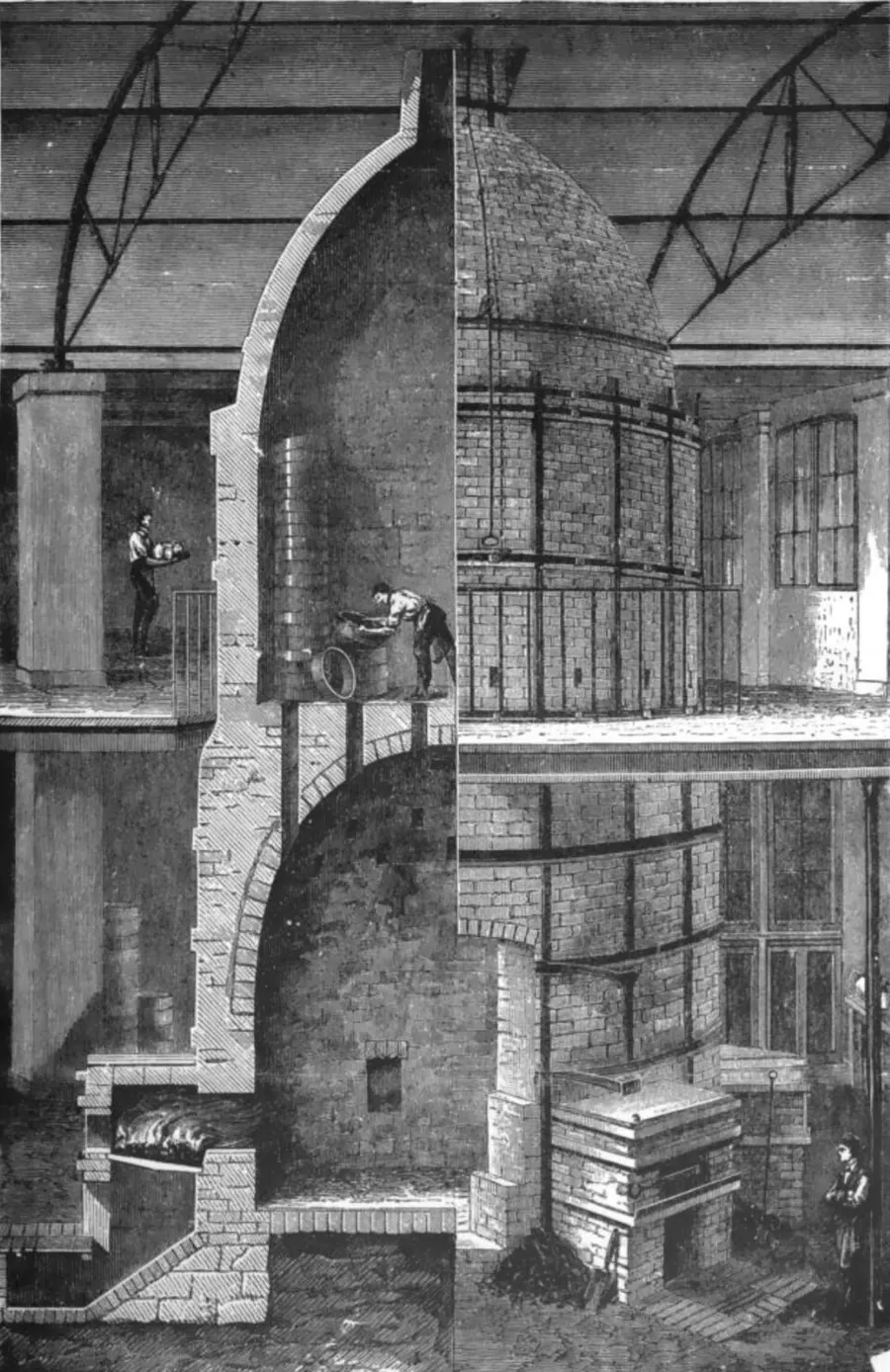
No place on earth has made porcelain longer at industrial scale. Jingdezhen's kilns burned from the Han era, won the imperial name Zhen in 1004 under Emperor Zhenzong's reign title, and served the court directly for six centuries through the Ming-Qing Imperial Kiln complex, whose excavated shards fill museum drawers awaiting puzzle-like reassembly.
Seventy-two named steps divided the labour: miners dug kaolin from Macang, stampers beat clay by waterwheel, painters filled blue-and-white borders, and boatmen shipped millions of pieces down the Chang River to Europe, where "china" became the word for porcelain itself. Today some thirty thousand "Jing drifters," young ceramicists among them, refill studio courtyards across Taoxichuan.
Cultural Traditions
- 01
Imperial Kiln Legacy
Ming dynasty wastepits yielded billions of shards used to reconstruct lost masterpiece forms.
- 02
Blue-and-White Ateliers
Cobalt brushwork follows family pattern books generations deep.
- 03
Night Market of Young Clay
Saturday markets let graduates sell experimental ware beside masters of the porcelain road.
Common Questions
Why is Jingdezhen called the Porcelain Capital?
It produced imperial ware continuously for over a thousand years and gave the English language the word "china."
What are the seventy-two steps?
A Ming-era catalogue of specialised tasks from mining and kneading to glazing and firing, each done by a different guild hand.
Can visitors see workshops today?
Yes. Ancient kiln parks and the Taoxichuan quarter host demonstrations, night markets, and residencies.
Watch & Learn
Oral Tradition
Stories & Legends
Narratives from the atlas graph that share origins, practitioners, or settings with this topic.