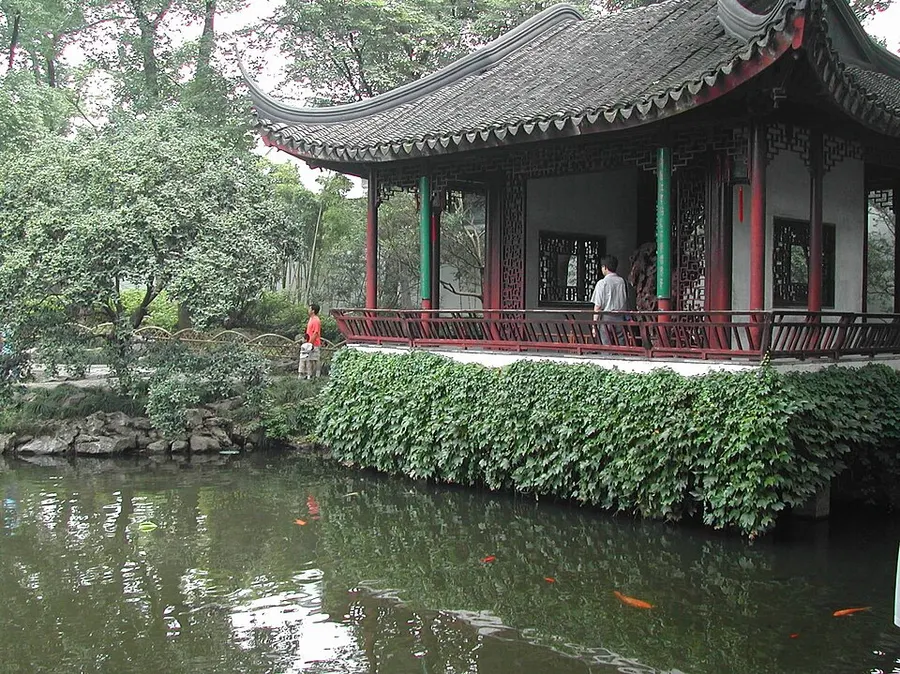
Famous for its classical gardens and silk industry, Suzhou is the birthplace of Kunqu Opera and a major center of Chinese traditional crafts. Suzhou embroidery is world-renowned for its fineness.
As a vital node in China's cultural geography, this location has nurtured artistic traditions
that have endured through dynastic changes, social transformations, and the challenges of modernity.
The continuity of these practices speaks to the deep relationship between place and cultural identity.
Today, Suzhou continues to be a living center of heritage — where master artisans
train the next generation, festivals mark the seasons, and ancient crafts adapt to contemporary life.
auto_awesome
travel_explore
Civilization Snapshot
travel_explore
Coordinates31.299°N, 120.585°E
map
Cultural Zonejiangnan
density_small
Heritage Density
7 traditions registered
Through the Eras
Pre-ImperialBefore 221 BCE
Imperial Era221 BCE – 1912 CE
Modern Era1912–Present
mapLandscape of Practice
Where heritage lives — the geography of cultural practice
Interact with the nodes of cultural heritage across the region's ancient grid.
The heritage of Suzhou does not exist in isolation. It is the core of a sophisticated network
of exchange, where techniques, motifs, and melodies traveled to shape the identity of an entire civilization.
Suzhou's classical gardens set the world standard for Chinese landscape art. The Humble Administrator's Garden, Lingering Garden, Master-of-Nets Garden, and Mountain Villa of Secluded Beauty formed part of the first garden group inscribed by UNESCO in 1997, later expanded to nine. A stone map carved in 1229, the Pingjiang Plan, shows street and canal layouts so faithful that modern Suzhou still follows them.
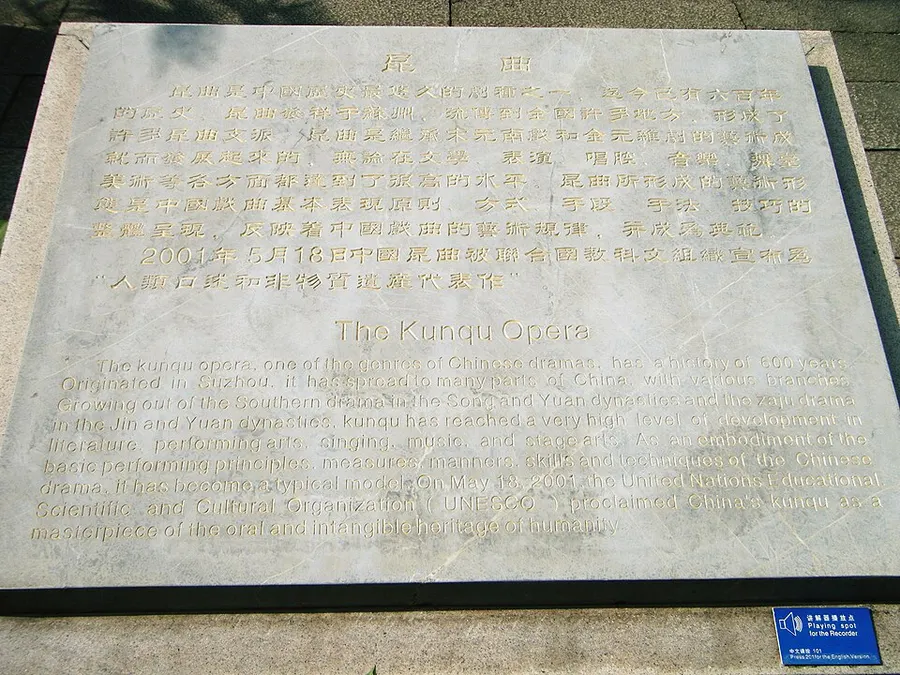
Performance runs just as deep. The city nurtured Kunqu opera into courtly perfection — its water-mill vocal style was refined nearby — and UNESCO made it one of the first Masterpieces of Oral Heritage in 2001. Suzhou pingtan storytelling, sung in local dialect to sanxian and pipa, has filled teahouses for four centuries.
handyman
Cultural Traditions
01
Garden Craft
Nine gardens inscribed by UNESCO share borrowed scenery and lattice-window grammar.
02
Pingtan Teahouses
Storyteller duos sing news and romance through afternoon sessions.
03
Silk Economy
Mulberry plots and reeling basins made Suzhou silk synonymous with quality.
04
Water Towns
Tongli and Zhouzhuang keep Ming bridges above working canals.
contact_support
Common Questions
Which Suzhou gardens are UNESCO-listed?add
Nine, starting with the Humble Administrator's and Lingering Gardens in the 1997 inscription.
What is Suzhou's link to Kunqu opera?add
Kunqu opera matured here and was among UNESCO's first oral masterpieces in 2001.
What is pingtan?add
Suzhou pingtan pairs sung storytelling with pipa and sanxian in Wu dialect.
smart_display
Watch & Learn
Oral Tradition
Stories & Legends
Narratives from the atlas graph that share origins, practitioners, or settings with this topic.
Written by Tang Xianzu in 1598, "The Peony Pavilion" is the most famous Kunqu Opera. It tells the story of Du Liniang, a young woman who dreams of a scholar named Liu Mengmei and dies of lovesickness. She later returns as a ghost to pursue her love. The play explores themes of love, dreams, and the triumph of emotion over death.