Traditional Crafts
Suzhou, East China
Three Kingdoms period (220–280 CE)
National Heritage
Master-Apprentice (Hands-on)
Su Embroidery Techniques
Suzhou Embroidery
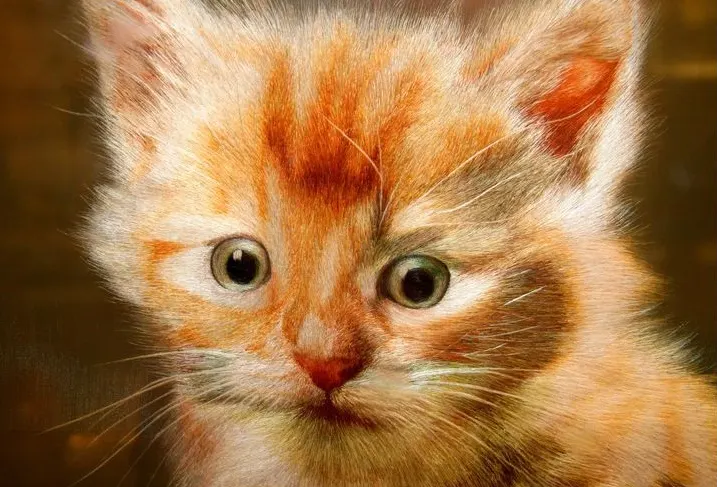
"A refined silk embroidery style known for thread-splitting fineness, subtle colors, and the miraculous double-sided embroidery technique."
CIVILIZATION CONTEXT
This artifact is part of the Intangible Heritage Cluster. It connects to 13 entities across the atlas, spanning 1 region, 1 master, 0 festivals, and 1 skill.
Suzhou Embroidery: A Living Heritage
Suzhou embroidery is a renowned silk embroidery style from the Suzhou region of Jiangsu. Distinguished by its refined, delicate stitches and subtle color gradations, it can produce effects resembling oil paintings, watercolors, and photography. Master embroiderers use threads so fine they can be split into 32 strands. The double-sided embroidery technique, where both sides of the fabric show the same image, is a Suzhou specialty.
1746+
Years of Unbroken Lineage
1
Related Cultural Vectors
History & Development
Song-dynasty Suzhou operated official embroidery bureaus supplying the court, Ming markets sold stitched goods across Jiangnan, and Qing workshops employed thousands of women on piece rates. Shen Shou stitched a portrait of the Italian Empress Elena in 1904 that won praise at court, then co-wrote the Xiu Pu embroidery manual in 1919, codifying dozens of stitch techniques for modern schools.
Su embroidery's signature is thread splitting, dividing one raw silk filament into halves up to sixty-fourths, which lets painters-in-thread blend more than a thousand colour shades. Double-sided works finish both faces invisibly, and the State Council named Suzhou embroidery in the first national intangible heritage list in June 2006.
How It Is Made
- 01
Splitting the silk strand
Embroiderers wet two fingers and draw apart a single filament, splitting it into sixteenths or sixty-fourths fine enough to pass through woven cloth unnoticed.
- 02
Layering flat stitches
Long parallel satin stitches are laid like brushstrokes, each row overlapping the last so light plays across animal fur or water the way ink layers do.
- 03
Blending graded colours
A single petal may cross eight shades, changing threads every few millimetres to mimic airbrushed gradation impossible with printed colour.
- 04
Mounting double-sided panels
For two-sided works, embroiderers bury starting knots inside the fabric and mirror every stitch so both faces read finished when framed in transparent screens.
Common Questions
What makes double-sided embroidery hard?
Both faces must show identical, flawless images with no visible starts or ends, so every thread tail hides inside the layering. A palm-sized panel can occupy a master for months.
How does Su embroidery differ from other schools?
Suzhou favours fine split silk and quiet gradients, while Sichuan's Shu embroidery school prizes dense satin stitching and Guangdong work adds bold colours and gold thread.
Where did the raw material come from?
Jiangnan sericulture supplied the region, a trade chain traced in the silk thread story from cocoon boiling through reeling to the embroidery frame.
Watch & Learn
Stories & Legends
Suzhou Embroidery: A Needlepoint Universe
historicalWhere a single silk thread splits into 32 strands to create fabric art.
Silk: The Thread That Connected Civilizations
historicalThe humble silkworm created the world's first global trade network.
Skills & Techniques
Su Embroidery Techniques expand_more
The refined art of Suzhou embroidery, characterized by split threads, subtle color blending, and double-sided stitching.
Steps
- Select and prepare the silk fabric base
- Transfer the design onto fabric using tracing
- Split silk thread into the required fineness (up to 32 strands)
- Select thread colors for shading and blending
- Stitch using techniques appropriate to the subject (realistic, seeds, plants)
- For double-sided embroidery, conceal all knots between layers
Tools
embroidery frame, fine needles, thimble, scissors, magnifying lens
Materials
silk fabric, silk thread (split threads), satin fabric, gold thread
Related Places
Generations Preserved
Ji Yun
Ji Yun is a paper-cut artist from Yangzhou, Jiangsu Province, renowned for her delicate "needle-pierced" paper-cut style. Unlike the bold cuts of northern China, Yangzhou style emphasizes intricate de...
Relationship Constellation
Tracing the invisible threads that connect Suzhou Embroidery to the broader civilization ecosystem.
Continue the Journey
Suzhou Embroidery
Traditional Crafts
Chinese Kite Making
Traditional Crafts
arrow_forwardSichuan Bamboo Weaving
Traditional Crafts
arrow_forwardCloisonné Enamel
Traditional Crafts
arrow_forward