Traditional Crafts
Chengdu, Southwest China
Han Dynasty (202 BCE–220 CE)
Representative List
Master-Apprentice (Hands-on)
Oral Tradition
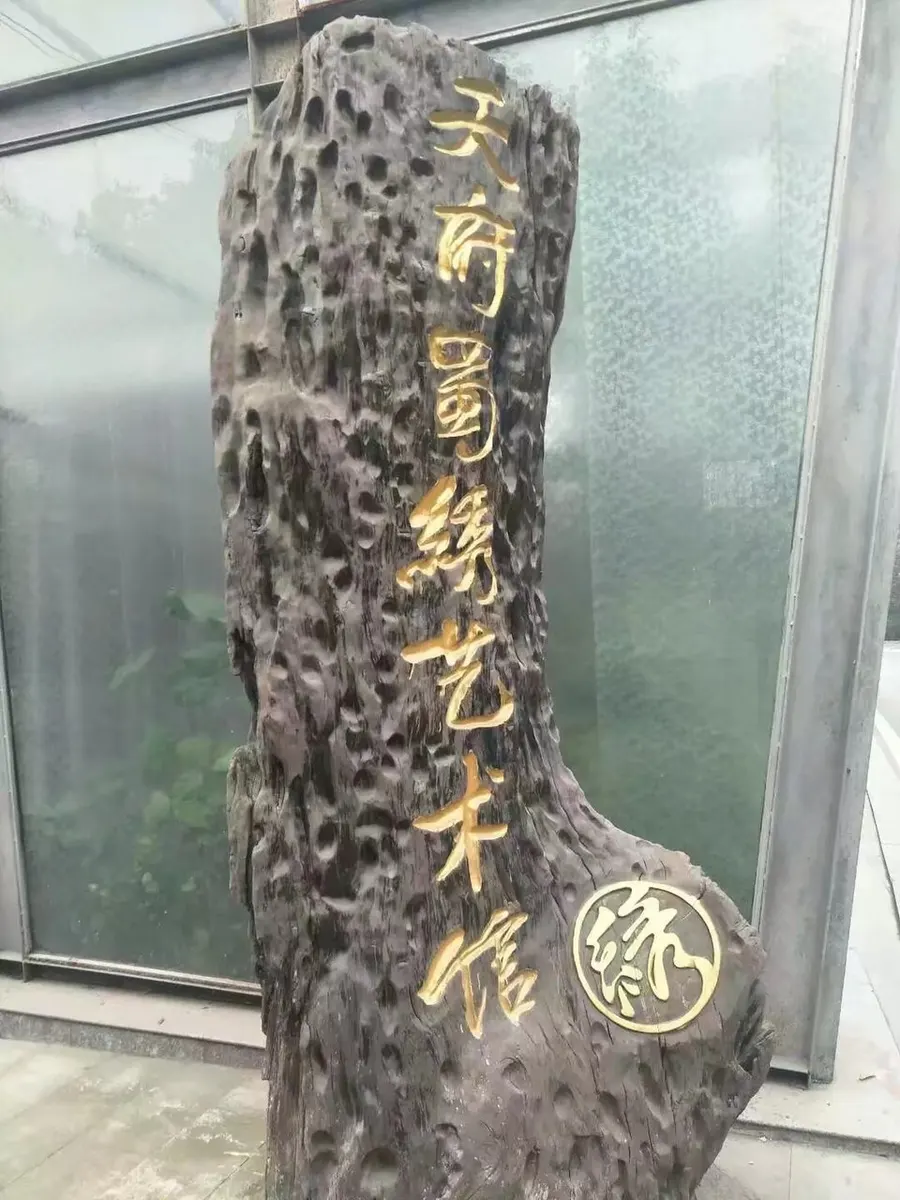
Shu Embroidery
"A 2,000-year-old embroidery style from Sichuan, known for its smooth stitches, vibrant colors, and photo-realistic silk compositions."
CIVILIZATION CONTEXT
This artifact is part of the Intangible Heritage Cluster. It connects to 9 entities across the atlas, spanning 1 region, 1 master, 0 festivals, and 0 skills.
Shu Embroidery: A Living Heritage
Shu embroidery from Sichuan Province is one of China's four famous embroidery styles. Known for its smooth, even stitches and vibrant colors, Shu embroidery often depicts landscapes, flowers, birds, and animals. Using fine silk threads on silk or satin fabric, master embroiderers create pieces that are almost photographic in detail. The craft has been practiced for over 2,000 years, with techniques passed down through generations.
2228+
Years of Unbroken Lineage
0
Related Cultural Vectors
History & Development
Shu embroidery is Sichuan's needle art, among China's four great embroidery schools and already famous when Han-era texts praised Shu silk. Workshops in Chengdu supplied courts with satin panels whose signature is fine, even stitchwork on soft grounds, often using threads split to a fraction of a millimetre. Its repertoire favoured carp, pandas, and lotus rendered with satin and thread-wrapping stitches so smooth the surface reads like painting, and Qing-era Chengdu supported guilds, workshops, and an exam ladder for professional embroiderers.
Modern institutions formalised what families had transmitted. A Chengdu embroidery factory was established in the 1950s to consolidate masters and train apprentices, and double-sided works on translucent gauze became the school's calling card. Shu embroidery entered China's first national inventory batch in 2006 alongside its sister schools, including Suzhou embroidery, and Chengdu institutes now run degree-linked programmes where students split silk and study needle archives side by side.
How It Is Made
- 01
Splitting the silk
One raw thread is divided into up to sixteen filaments; fineness of split determines how softly light sits on the finished fur or petal.
- 02
Stretching the ground
Panels are laced drum-tight on frames so tension stays even across months of needlework.
- 03
Layering stitches
Satin stitch builds form, wrapping stitches outline veins, and shading comes from changing thread colour mid-row rather than after.
- 04
Mounting the piece
Finished work is relaxed off the frame, pressed, and mounted with silk borders cut to echo the design's own palette.
Common Questions
How does it differ from Su embroidery?
Shu favours broad satin surfaces and bold local subjects like pandas on soft Sichuan silks, while Su embroidery is famed for hair-splitting realism; both entered the national list in 2006.
What subjects are classic?
Carp and lotus for abundance, hibiscus for Chengdu itself, and the giant panda, which modern workshops render with unprecedented thread-splitting finesse.
Is it still taught?
Yes; Chengdu's embroidery institutes take apprentices yearly, and our silk story traces how sericulture feeds these workshops.
Watch & Learn
Stories & Legends
Silk: The Thread That Connected Civilizations
historicalThe humble silkworm created the world's first global trade network.
Related Places
Generations Preserved
Cai Xiaoming
Cai Xiaoming is a master of Shu embroidery from Chengdu, Sichuan Province. Learning from her grandmother at age 12, she has spent over 50 years perfecting the art of single-sided and double-sided embr...
Relationship Constellation
Tracing the invisible threads that connect Shu Embroidery to the broader civilization ecosystem.
Continue the Journey
Shu Embroidery
Traditional Crafts
Longquan Celadon
Traditional Crafts
arrow_forwardCloisonné Enamel
Traditional Crafts
arrow_forwardChinese Paper-Cut
Traditional Crafts
arrow_forward