成都
Chengdu
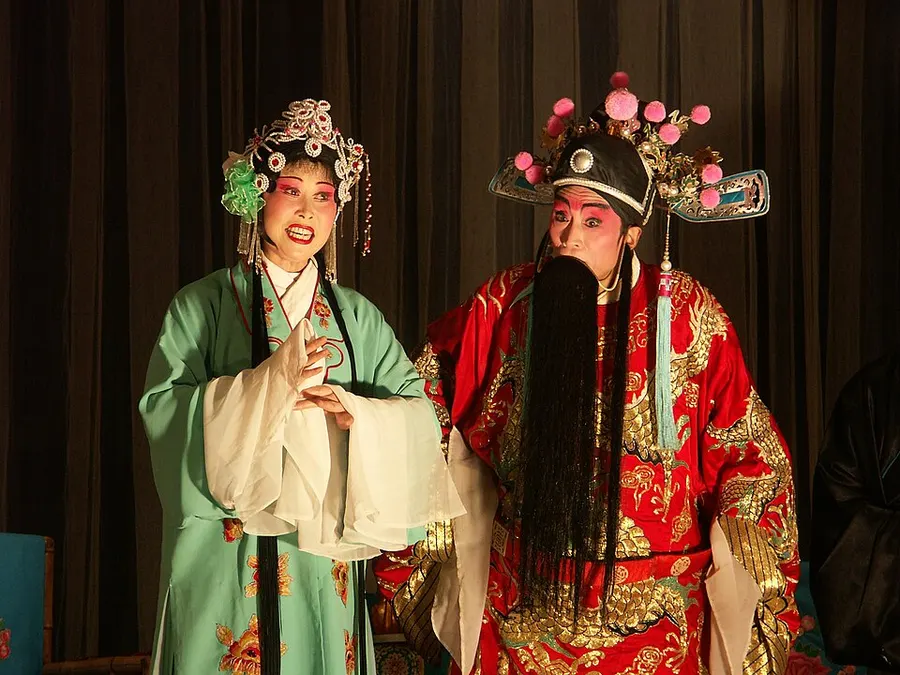
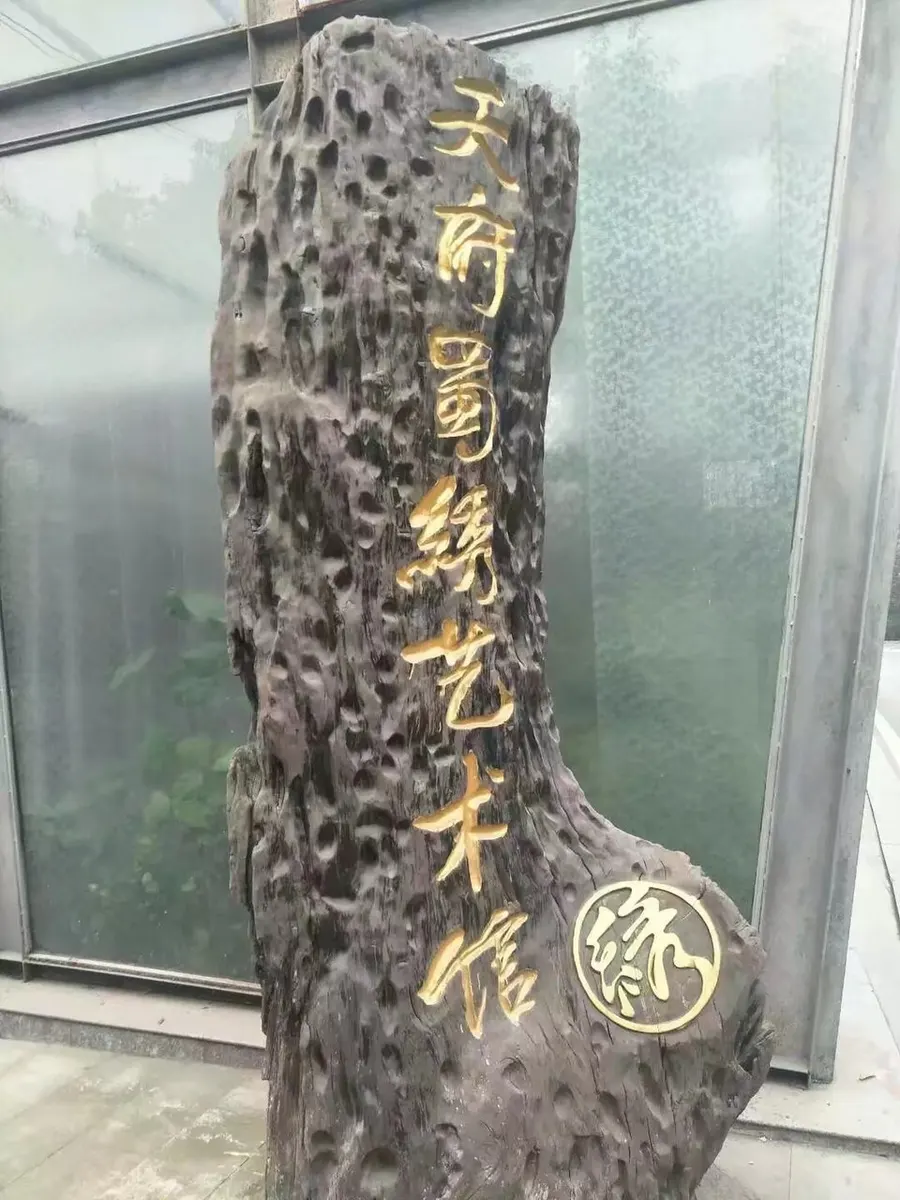
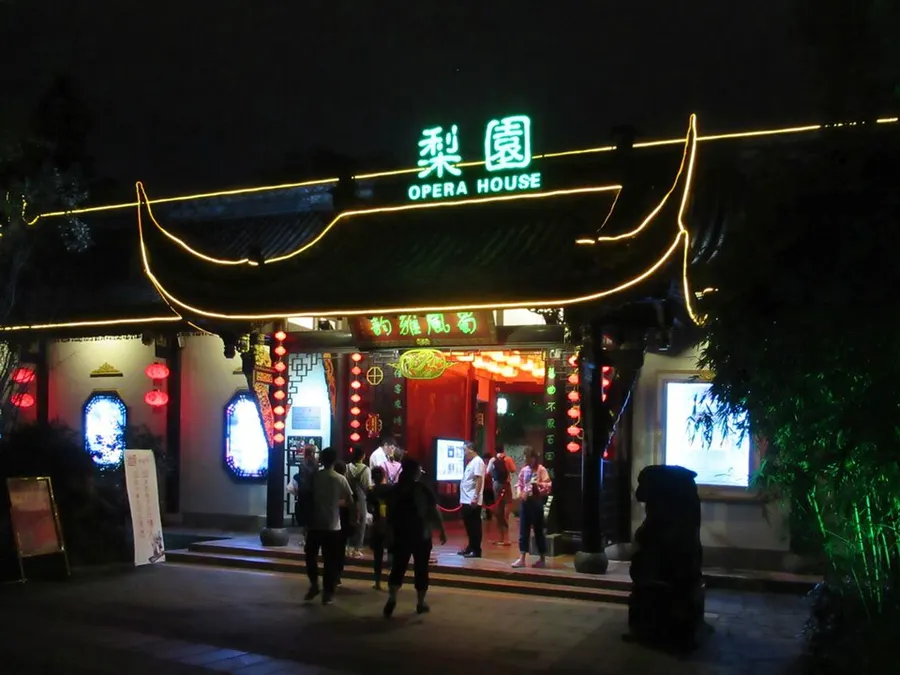
The capital of Sichuan Province, Chengdu is the center of Sichuan Opera (famous for face-changing), Shu embroidery, and Sichuan cuisine.
As a vital node in China's cultural geography, this location has nurtured artistic traditions that have endured through dynastic changes, social transformations, and the challenges of modernity. The continuity of these practices speaks to the deep relationship between place and cultural identity.
Today, Chengdu continues to be a living center of heritage — where master artisans train the next generation, festivals mark the seasons, and ancient crafts adapt to contemporary life.
Civilization Snapshot
Where heritage lives — the geography of cultural practice
Interact with the nodes of cultural heritage across the region's ancient grid.
Heritage District
The cultural heart of Chengdu
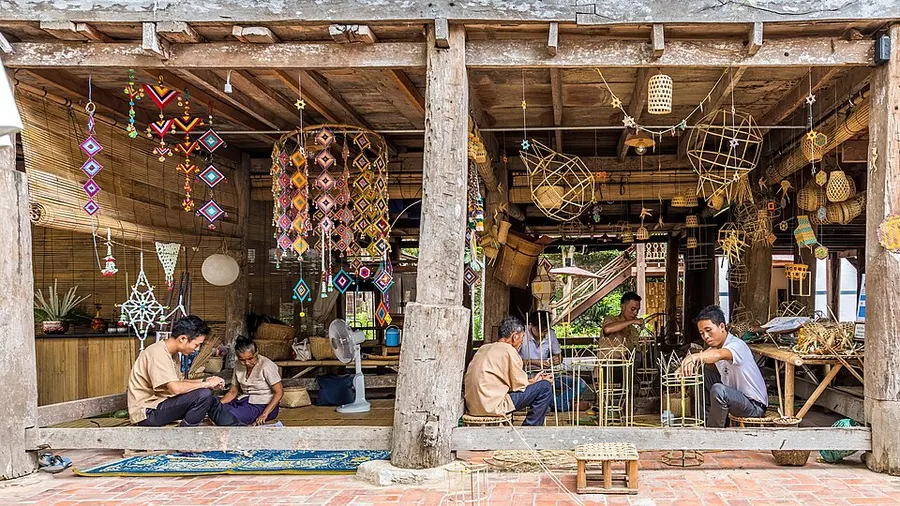
Craft Village
Traditional workshops and living heritage
The heritage collection of Chengdu
A Lineage of Eras
Keepers of the Flame
Cai Xiaoming
“The craft is not just technique — it is the memory of our ancestors speaking through our hands.”
READ THEIR STORYThe Cultural Constellation of Chengdu
The heritage of Chengdu does not exist in isolation. It is the core of a sophisticated network of exchange, where techniques, motifs, and melodies traveled to shape the identity of an entire civilization.
- Beijing Connected Heritage
- Nanjing Connected Heritage
- Suzhou Connected Heritage
The Rhythms of Time
Spring Festival
2 seasonal observances
Summer Festival
2 seasonal observances
Autumn Festival
2 seasonal observances
Winter Festival
2 seasonal observances
Nearby heritage destinations
Beijing
北京 · The capital of China, Beijing has been the political and cul...
Nanjing
南京 · An ancient capital of six dynasties, Nanjing is the birthpla...
Suzhou
苏州 · Famous for its classical gardens and silk industry, Suzhou i...
Chenjiagou
陈家沟 · A small village in Henan Province, Chenjiagou is the birthpl...
History & Development
Chengdu has kept both its name and its site for roughly 2,300 years, an urban record matched by few cities anywhere. Goldwork from Jinsha — including the fourth-century-BCE sun-bird disc now a national symbol — proves a sophisticated Shu kingdom long before Qin annexation, and the Dujiangyan irrigation works cut in 256 BCE still water the plain as a 2000 World Heritage site.
Leisure is infrastructure here. Teahouses serve bamboo-lid gaiwan bowls beside bamboo chairs on every corner, Sichuan opera fires off bianlian face-changing faster than the eye tracks, and Shu embroidery stitches gossamer double-sided panels recognized among China's four great embroidery schools.
Cultural Traditions
- 01
Teahouse Benchmarks
Refills from copper kettles come free all afternoon.
- 02
Face-Changing
Bianlian performers swap painted masks in a blink of silk.
- 03
Brocade Weaving
Shu brocade fed the ancient southwestern silk routes.
- 04
Panda Economy
The breeding base outside town anchors conservation tourism.
Common Questions
Why is Chengdu called the land of abundance?
Dujiangyan's 2,280-year-old irrigation turned the basin into a famine-proof grain bowl, honored as a 2000 World Heritage site.
What should I see of Shu crafts?
Shu embroidery studios stitch double-sided silk portraits using century-old techniques.
How do locals take tea?
In lidded gaiwan bowls at street teahouses, a ritual tied to Chinese tea ceremony.
Watch & Learn
From the Archive
Photographs documenting the materials, makers, and settings behind these traditions.