Folk Customs
Chengdu, Southwest China
Ancient Qiang tradition, predates written records
Representative List
Master-Apprentice
Oral Tradition
Qiang New Year Festival
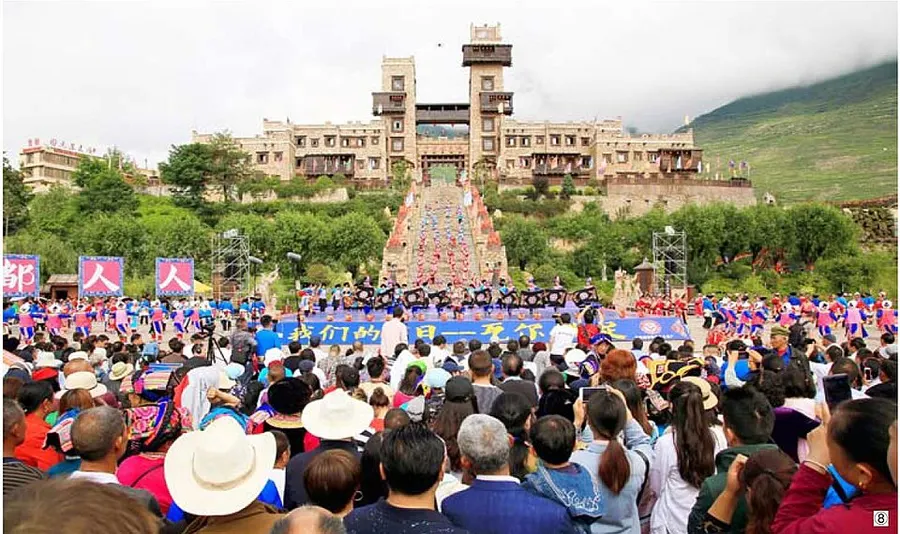
"The Qiang people's most sacred festival — three days of ancestor worship, epic poetry, circle dances, and bonfires in Sichuan's mountains."
CIVILIZATION CONTEXT
This artifact is part of the Intangible Heritage Cluster. It connects to 5 entities across the atlas, spanning 1 region, 0 masters, 0 festivals, and 0 skills.
Qiang New Year Festival: A Living Heritage
Qiang New Year, celebrated on the first day of the tenth lunar month, is the most important traditional festival of the Qiang ethnic group in Sichuan Province. The three-day celebration includes sacrifices to heaven and ancestors, invoking the mountain god, and elaborate feasting. Qiang elders recite epic poems, young people perform circle dances around bonfires to the music of qiang flutes and sheepskin drums. The festival reinforces Qiang identity.
Centuries
Years of Unbroken Lineage
0
Related Cultural Vectors
History & Development
Qiang New Year opens on the first day of the tenth lunar month in mountain villages of Sichuan, celebrating harvest and thanking ancestors before winter seals the high valleys. Households clean hearths, offer sheep and grain to the white stone altars, and circle dances fill the village square through the night.
The 2008 Wenchuan earthquake shattered many Qiang villages and killed ritual masters, pushing UNESCO to add Qiang New Year to the Urgent Safeguarding List in 2009. Rebuilt villages revived the calendar with government support, training young shamans called shibi and recording songs before the eldest singers passed.
How the Qiang Year Is Kept
- 01
Purifying the village
Before the feast, families sweep ash and sprinkle water through rooms so old-year misfortune exits with the dust.
- 02
Offering at the stone altar
The shibi sacrifices a goat and presents grain to stacked white stones representing sky gods, chanting lineage prayers that authorise the new year.
- 03
Sharing first fruits
New millet cakes and wine circulate from eldest to youngest, binding households to ancestors and neighbours in one table.
- 04
Dancing till dawn
Villagers lock arms in the guozhuang circle, elders leading verses while fires burn down, a communal pattern echoed in Tibetan guozhuang dancing next door.
Common Questions
When does it happen?
The lunar tenth month's opening days, usually falling in November, when high-valley harvests are fully stored and travel pauses for winter.
Who are the shibi?
Qiang ritual masters who memorise chants, genealogy, and sacrificial procedure without written script, the specialists whose losses after the 2008 earthquake triggered the UNESCO urgent-safeguarding status.
Where can visitors see it?
Rebuilt villages in the mountains of the Qiang people's homeland hold public celebrations, with song contests and altar rites open to respectful guests.
Watch & Learn
Stories & Legends
Spring Festival: A Civilization 4000 Years in the Making
historicalEvery year, a quarter of humanity pauses to celebrate the oldest continuous festival in human history.
Related Places
Relationship Constellation
Tracing the invisible threads that connect Qiang New Year Festival to the broader civilization ecosystem.