Traditional Crafts
Hangzhou, East China
Shennong era (c. 2737 BCE), commercialized in Tang Dynasty
Representative List
Master-Apprentice (Hands-on)
Traditional Tea Processing
Traditional Tea Processing Techniques
"The comprehensive craft of producing China's six tea categories — from green to pu'er — an art of nature, chemistry, and cultural tradition."
CIVILIZATION CONTEXT
This artifact is part of the Intangible Heritage Cluster. It connects to 8 entities across the atlas, spanning 2 regions, 1 master, 0 festivals, and 1 skill.
Traditional Tea Processing Techniques: A Living Heritage
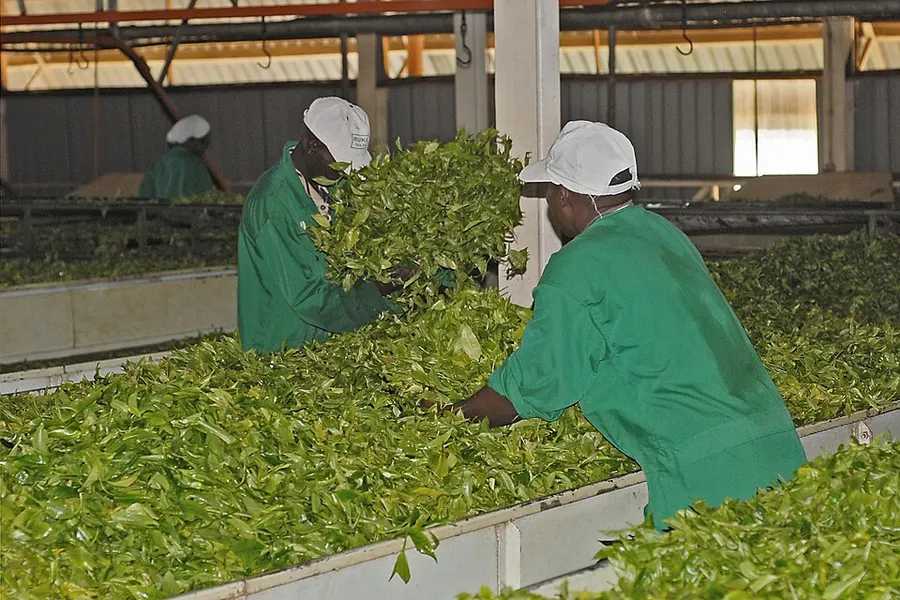
Chinese traditional tea processing encompasses the knowledge, skills, and practices of producing six tea categories: green, white, yellow, oolong, black, and dark (pu'er). Each category involves distinct techniques of withering, fixing, rolling, oxidation, and drying. Associated practices include tea plant cultivation, hand-picking, and grading. Tea culture permeates Chinese social life through gongfu brewing, tea ceremonies, and tea art appreciation.
4763+
Years of Unbroken Lineage
1
Related Cultural Vectors
History & Development
Every true tea comes from one plant, Camellia sinensis, and processing decides whether it pours green, white, yellow, oolong, black, or dark. Lu Yu's Classic of Tea fixed the aesthetic canon in the 760s, and successive dynasties shifted fashion from compressed cakes to loose leaf, driving techniques like pan-fired fixing for green, slow withering for white, and bruise-induced oxidation for oolong. Each school guards its own heat curves and rolling pressures, tuned to leaf cultivars grown on famous mountains.
The breadth earned global recognition in 2022, when UNESCO inscribed "traditional tea processing techniques and associated social practices in China," spanning forty-four national items from West Lake Longjing pan-firing to Pu'er pile fermentation. Tea remains social infrastructure: guest rituals, wedding gifts, and mountain temple hospitality all run on processed leaf, habits documented in our tea ceremony entry. Processing knowledge passes workshop-to-workshop, and master roasters can smell when a charcoal batch turns, adjusting airflow by decades of memory.
How It Is Made
- 01
Plucking the standard
Pickers take bud-plus-one for premium greens and older leaf sets for oolong, timing rounds to morning dew for consistent moisture.
- 02
Fixing or withering
Greens go straight to hot woks to kill enzymes, while oolongs wilt and shake to start controlled oxidation at the leaf edges.
- 03
Rolling and shaping
Rolling breaks cells for flavour release and sets styles from needle-straight to tightly curled balls.
- 04
Drying and firing
Charcoal roasts finish oolongs over days, and pile fermentation turns dark teas like Pu'er over weeks of managed humidity.
Common Questions
How do six colours come from one leaf?
Oxidation control does it, from unoxidised green to fully oxidised black, as our tea origin story explains leaf by leaf.
What did the 2022 UNESCO listing cover?
Forty-four processing traditions plus the social customs around them, from Jiangsu green-tea pan-firing to Yunnan dark-tea fermentation.
Which regions should tea lovers visit?
West Lake for Longjing pan-firing around Hangzhou, Wuyi for rock oolongs, and the caravan towns mapped in our Tea Horse Road region.
Watch & Learn
Stories & Legends
The Tea Horse Road: Brewing Civilization
historicalFrom a single leaf drifting into Shennong's pot to a global obsession.
Skills & Techniques
Traditional Tea Processing expand_more
The craft of transforming fresh tea leaves into the six categories of Chinese tea through controlled withering, fixation, rolling, oxidation, and drying.
Steps
- Pluck tender tea leaves at the correct seasonal stage
- Wither leaves to reduce moisture content
- Fix (kill-green) by pan-firing or steaming to stop oxidation
- Roll leaves to shape them and release juices
- Oxidize to the desired degree (for oolong and black tea)
- Dry by baking or sun-drying to preserve the finished tea
Tools
withering tray, fixation pan, rolling table, baking basket, charcoal oven, bamboo sieve
Materials
fresh tea leaves (Camellia sinensis), charcoal
Related Places
Generations Preserved
Cao Zhen
Cao Zhen is a master of traditional tea processing from Hangzhou, Zhejiang. A seventh-generation tea master from the Longjing tea region, he specializes in pan-firing green tea by hand. Cao can proces...
Relationship Constellation
Tracing the invisible threads that connect Traditional Tea Processing Techniques to the broader civilization ecosystem.
Continue the Journey
Traditional Tea Processing Techniques
Traditional Crafts
Qiang New Year Festival
Folk Customs
arrow_forwardTraditional Li Textile Techniques
Traditional Crafts
arrow_forwardOng Chun / Wangchuan Ceremony
Folk Customs
arrow_forward