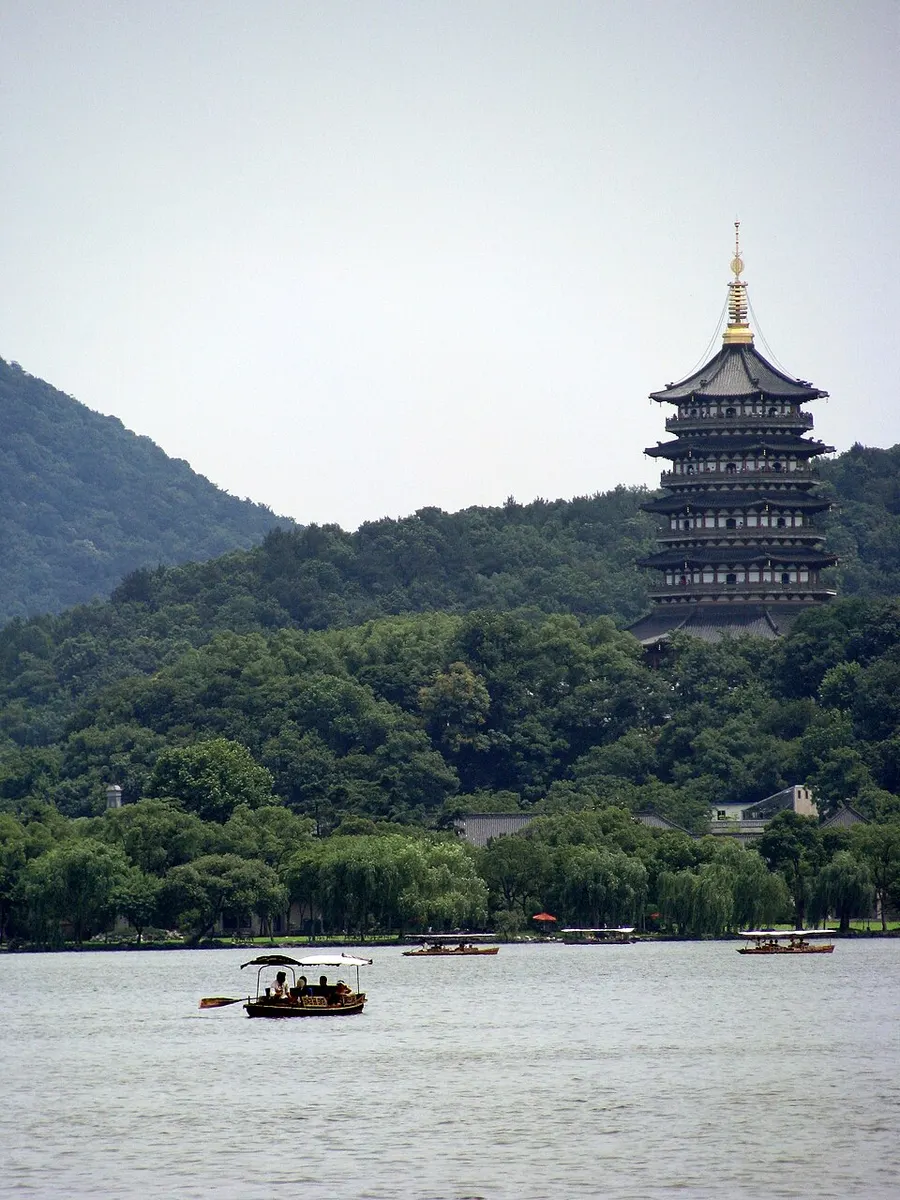
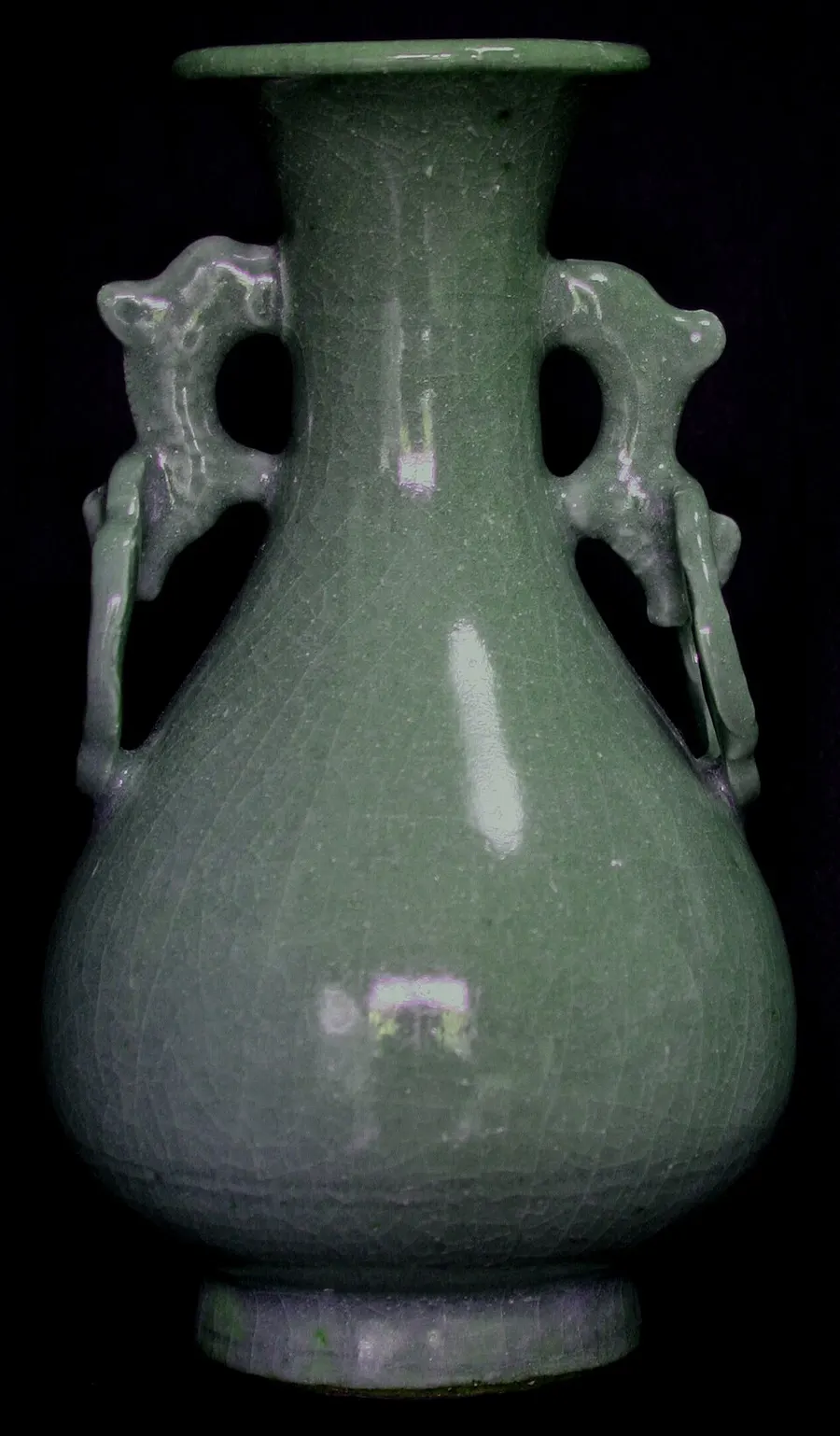
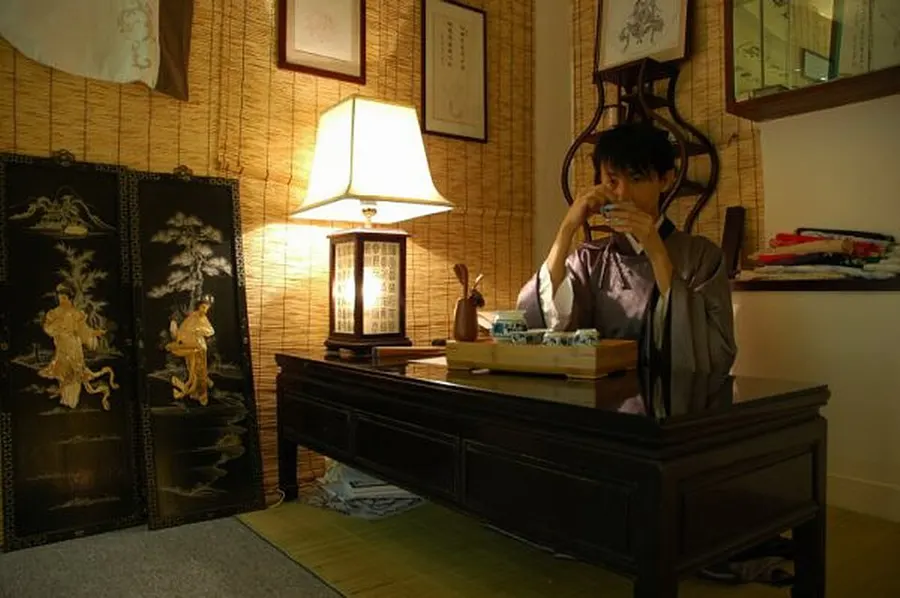
The capital of Zhejiang Province, Hangzhou is famous for West Lake, Longjing tea, and as a center of celadon ceramics, silk production, and tea ceremony culture.
As a vital node in China's cultural geography, this location has nurtured artistic traditions
that have endured through dynastic changes, social transformations, and the challenges of modernity.
The continuity of these practices speaks to the deep relationship between place and cultural identity.
Today, Hangzhou continues to be a living center of heritage — where master artisans
train the next generation, festivals mark the seasons, and ancient crafts adapt to contemporary life.
auto_awesome
travel_explore
Civilization Snapshot
travel_explore
Coordinates30.274°N, 120.155°E
map
Cultural Zonejiangnan
density_small
Heritage Density
5 traditions registered
Through the Eras
Pre-ImperialBefore 221 BCE
Imperial Era221 BCE – 1912 CE
Modern Era1912–Present
mapLandscape of Practice
Where heritage lives — the geography of cultural practice
Interact with the nodes of cultural heritage across the region's ancient grid.
The heritage of Hangzhou does not exist in isolation. It is the core of a sophisticated network
of exchange, where techniques, motifs, and melodies traveled to shape the identity of an entire civilization.
Hangzhou ruled southern China as the Southern Song capital from 1138, growing past a million residents into what Marco Polo would call the finest city in the world after his 1280s visit. West Lake's causeways and pagodas — many rebuilt under Song patronage — anchored a cultural landscape UNESCO inscribed in 2011.
Tea made the city immortal in daily life. Lu Yu praised Hangzhou's waters in the Classic of Tea around 780, and the terraces above the lake still produce Longjing picked before Qingming, when a skilled hand plucks fewer than half a kilogram of pre-rain leaf a day.
handyman
Cultural Traditions
01
Longjing Plucking
Pre-Qingming buds are pan-fired flat by hand in village workshops.
02
Lake Causeways
Bai and Su causeways trace Tang and Song poet-governors' dredging projects.
03
Canal Head
Hangzhou anchors the southern end of the Grand Canal, UNESCO-listed in 2014.
04
Lingyin Grottoes
Buddhist carvings at Feilai Feng date from the tenth century onward.
contact_support
Common Questions
Why is West Lake famous?add
Poets shaped it for centuries; UNESCO inscribed the cultural landscape in 2011.
Emperor Shennong, the mythical father of Chinese agriculture and medicine, was known for tasting hundreds of herbs to test their medicinal properties. According to legend, while boiling water under a wild tea tree, a leaf fell into his pot. He drank the infusion and found it refreshing and detoxifying — the first cup of tea. The Classic of Tea by Lu Yu codified this origin story in the Tang Dynasty.