menu_book The Full Narrative
01
The Ancient Tea Horse Road
For centuries, Chinese tea was traded to Tibet and beyond along the Tea Horse Road (Chamagudao), a network of mountain trails stretching from Yunnan through Tibet to India. Tea was packed into bricks for transport, and Tibetan nomads traded their horses for it — hence the name. The road was as important as the Silk Road.
02
The Art of Tea Ceremony
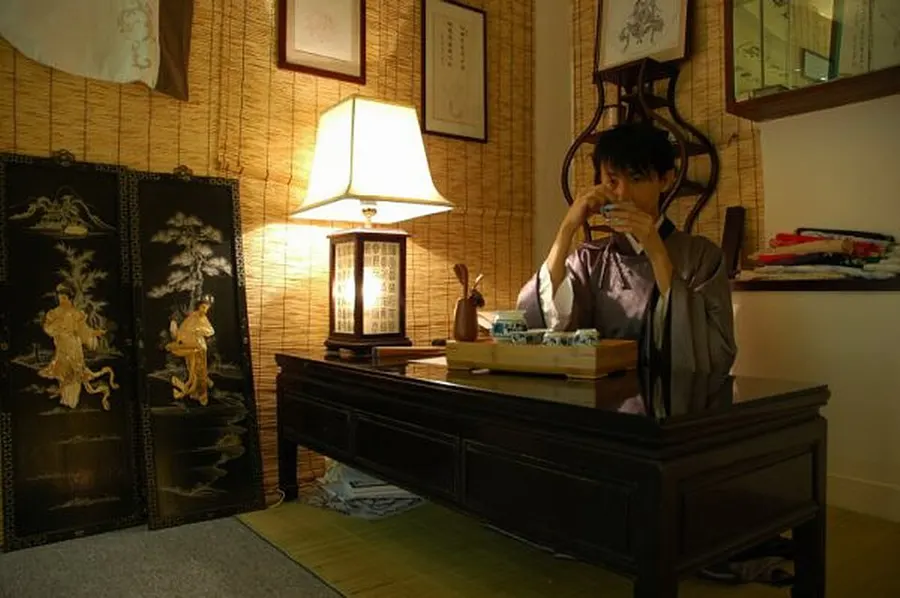
Tea drinking in China evolved from medicinal decoction to an art form. The Tang Dynasty saw Lu Yu's Classic of Tea codify every aspect of tea preparation. The Song Dynasty elevated tea to a spiritual practice with whisked powdered tea — a tradition that would later influence the Japanese tea ceremony. The Ming Dynasty introduced loose-leaf brewing.
03
Tea and the World
Tea transformed the world. It fueled the Tang Dynasty economy, triggered the Anglo-Chinese Opium Wars, and shaped British culture. From the misty mountains of Yunnan to Boston Harbor, tea has brewed civilization for over 4,000 years. The ancient craft of tea processing, from picking to roasting to packaging, remains largely unchanged.
04
Caravan Arithmetic
The road ran on a strict exchange rate between leaf and horse. Song-era officials set up dedicated tea-horse markets after 1074, and Ming ledgers from Yunnan ancient tea forests priced a quality mount at roughly 60 to 120 catties of compressed tea while inferior horses earned half that value. A loaded caravan needed about three months to cover the route from Pu'er to Lhasa, crossing passes above 4,000 meters where porters swapped felt clothing for straw rain capes.
05
From Mule Tracks to World Heritage
The trade died with modern transport, yet its landscape gained new legal protection. In September 2023 UNESCO inscribed the Jingmai Mountain old tea forests of Pu'er as a mixed World Heritage site, the first listing centered on tea cultivation. Trekkers now walk restored caravan segments past marble flagstones worn smooth by horseshoes, and historians document the way stations that once fed both mules and monks bound for Lhasa tea-house culture.
06
What the Caravans Left Behind
The caravan system left measurable infrastructure that hikers can still walk. Stone-paved sections near Pu'er show rope-worn grooves up to ten centimeters deep, cut by generations of loaded mules on the same switchbacks, and way stations at Lijiang and Shaxi preserve courtyard stables built to hold eighty animals. Shaxi's Sideng square, restored with Swiss heritage funding completed in 2004, stands as the road's best-preserved market node, its theater facing the inn where caravan captains settled accounts. Tibetan traders exchanged highland horses and salt for brick tea, and their descendants still run guesthouses in the same buildings along the Yunnan section, living links in tea's origin story. Museums along the route collect the oral ledger of the trade: drivers' songs, toll receipts, and the mule-bell repertoires that announced arrivals from kilometers away. The route's UNESCO recognition arrived attached to Jingmai mountain's tea forests, but the surviving paving proves the network's daily commercial grind, not just its endpoints.