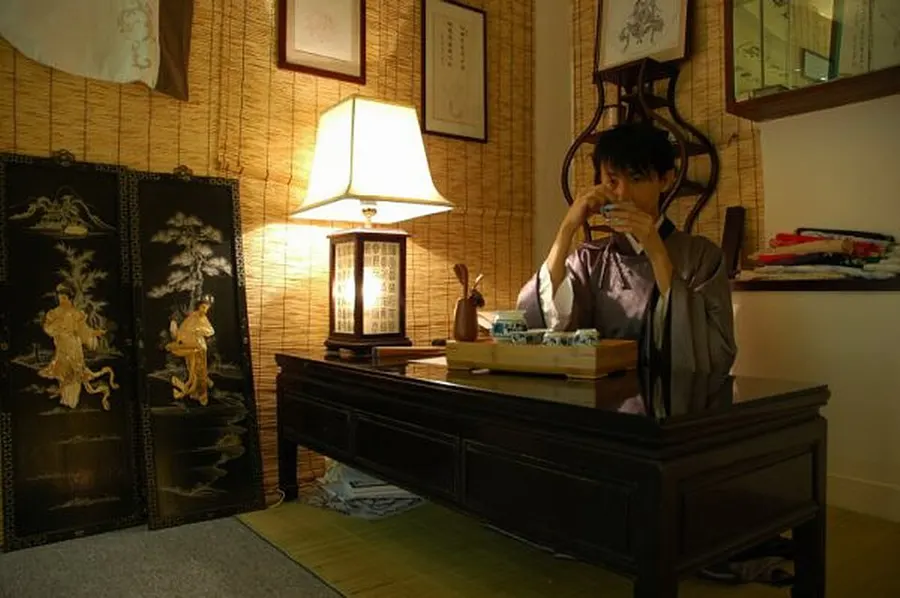
The cultural region south of the Yangtze River Delta, known for its refined arts, silk production, Kunqu opera, classical gardens, and scholarly traditions.
22Heritage Traditions
0Living Masters
0Major Festivals
4Imperial Dynasties
expand_more
menu_bookIdentity & Origin
The 江南 Civilization
The cultural region south of the Yangtze River Delta, known for its refined arts, silk production, Kunqu opera, classical gardens, and scholarly traditions.
For millennia, this region has been a crucible of Chinese civilization — shaping the arts, traditions, and cultural expressions that define the heritage of the nation. Its landscape, from mountain ranges to river valleys, has fostered distinct local practices that continue to thrive in the modern era through the dedication of master artisans, performers, and cultural custodians.
genetics
Region DNA
Key Traditions
Folk MusicOperaEmbroideryCeramicsTea CeremonyCalligraphy
Historical Dynasties
Tang Dynasty
Song Dynasty
Ming Dynasty
Qing Dynasty
Representative Crafts
Silk Weaving
Jade Carving
Bamboo Craft
Lacquerware
starsHeritage Constellation
Jiangnan
music_note
Music
theater_comedy
Drama
handyman
Crafts
sports_martial_arts
Martial Arts
celebration
Festivals
timelineCivilization Timeline
The Historical Arc of Jiangnan
Ancient Foundations
Pre-1000 BCE
Classical Formation
1000-221 BCE
Imperial Golden Age
221 BCE-960 CE
Late Imperial
960-1912 CE
Modern Preservation
1912-Present
self_improvementLiving Traditions
Heritage practices that continue to shape cultural life in Jiangnan
The rhythm of life in Jiangnan follows a seasonal wheel. Traditions are rituals performed in harmony with the arrival of spring rains or the first autumn frost. Each season brings a specific sensory palette — the scent of new tea, the sight of lotuses in classical ponds, the sound of bells in mountain temples.
01
Vernal Equinox
Harvesting the most prized Pre-Qingming tea buds.
02
Winter Solstice
Traditional family gatherings centered around rice wine and poetry.
mapCultural Geography
Jiangnan Heartland
Cultural Core
31.20°N, 120.50°E
Geographic Center
Nanjing
南京
Suzhou
苏州
Kunshan
昆山
"A landscape where mountains and rivers have shaped the cultural identity of a civilization."
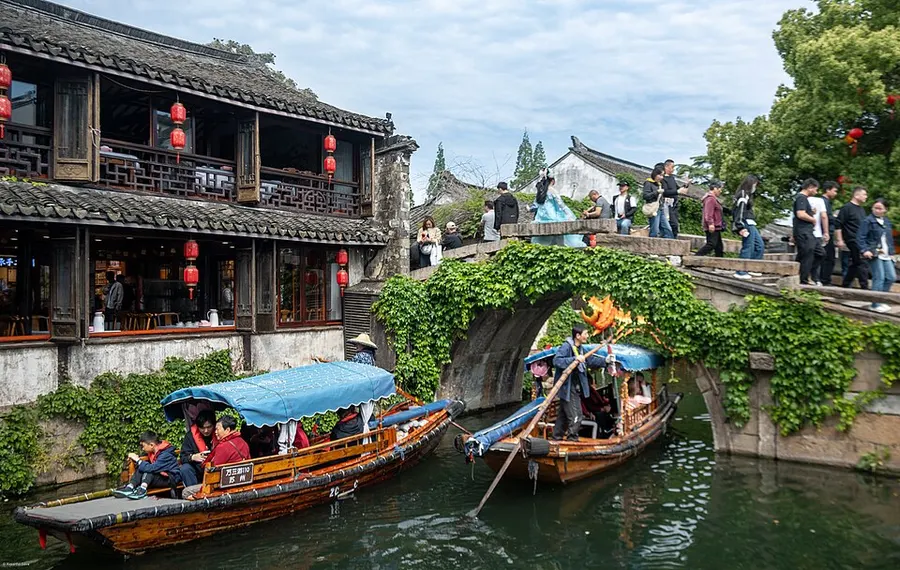
Jiangnan — literally "south of the river" — is the wetland plain south of the lower Yangtze centred on Lake Tai, and for the past thousand years it has been China’s richest cultural landscape. When the Song court moved its capital to Hangzhou (Lin’an) in 1138, the region’s combined rice surpluses, canal-borne commerce, and silk workshops made it the fiscal engine of the empire; the proverb "above there is heaven, below are Suzhou and Hangzhou" dates from this era. Water towns such as Tongli and Zhouzhuang grew rich moving grain, salt, and silk along an inland canal grid that still defines the region’s geography.
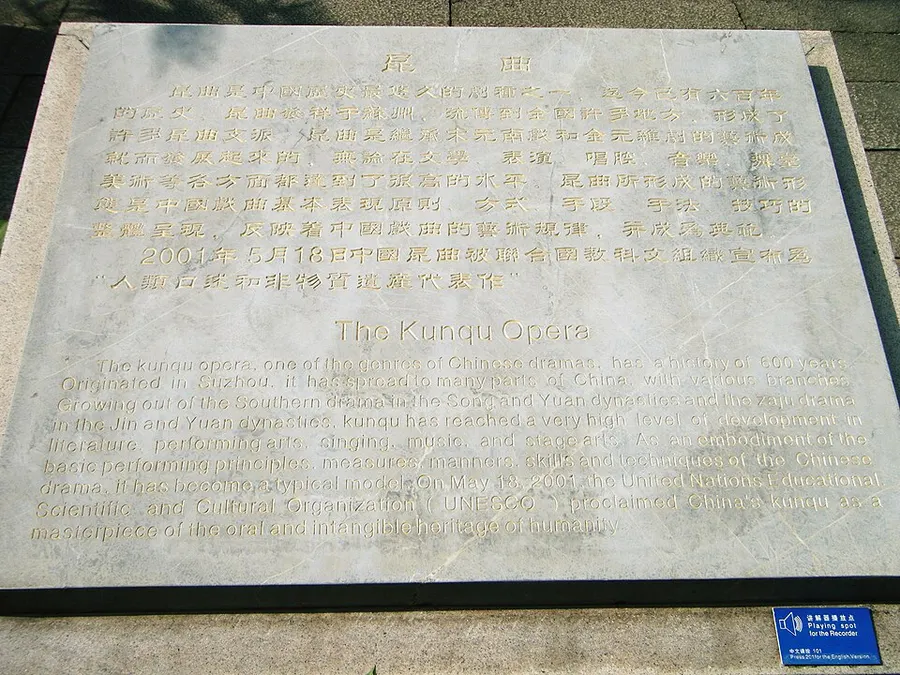
Wealth underwrote refinement. The water-polished vocal style of Kunqu opera was perfected in this region around 1550 by Wei Liangfu, Suzhou’s classical gardens reached their final form between the 16th and 18th centuries and entered the UNESCO World Heritage list in 1997, and pingtan storytelling filled the region’s teahouses. Jiangnan workshops also industrialized luxury: imperial-grade embroidery, Song brocade, and paper all flowed from its towns. The result is a coherent aesthetic — whitewashed walls, lattice windows, garden framing — that China still exports as its signature image of traditional elegance.
handyman
How Jiangnan Culture Is Lived
01
Canal-town commerce
Six water towns around Lake Tai preserve stone bridges, waterside houses, and canal-side markets that once moved silk and grain to the Grand Canal.
02
Garden aesthetics
Suzhou gardens compose landscape in miniature using borrowed views, framed moon gates, and rockeries; nine were inscribed by UNESCO between 1997 and 2000.
03
Silk and needle arts
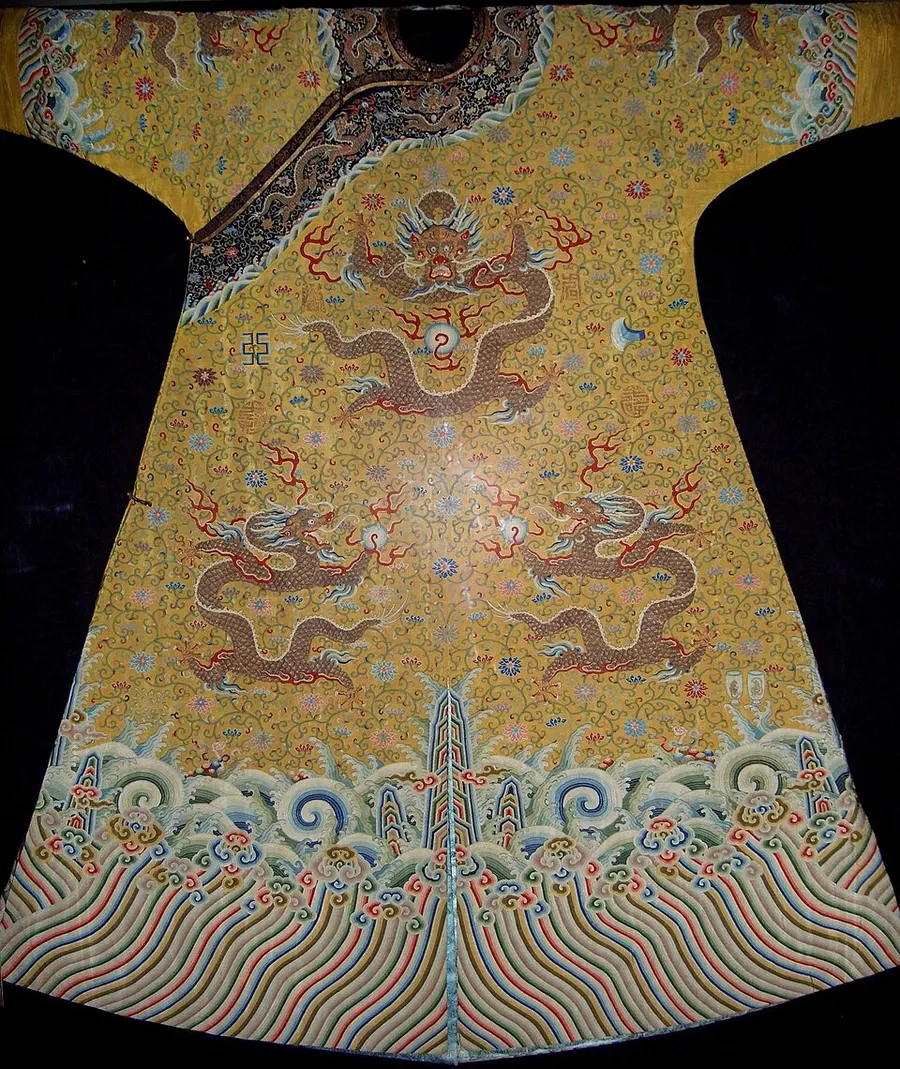
Mulberry cultivation fed a full industry chain from reelers to embroiderers, with Suzhou workshops supplying imperial courts for six centuries.
04
Teahouse storytelling
Pingtan pairs a three-stringed sanxian with pipa as a single narrator performs serialized classics in Wu dialect across four-hour evening sessions.
contact_support
Common Questions
What does "Jiangnan" actually mean?add
Jiangnan means "south of the (Yangtze) River." Culturally it denotes the Lake Tai lowlands — Suzhou, Hangzhou, Wuxi, Shaoxing — where water transport, rice paddies, and mercantile wealth produced a distinct soft-spoken, refined identity from roughly the 10th century onward.
Why is Jiangnan called "heaven on earth"?add
The saying comes from Tang-era praise for Hangzhou and Suzhou, whose canal trade and rice harvests made them the empire’s most reliable sources of tax grain. Marco Polo repeated similar admiration for Hangzhou after visiting around 1280.
Which heritage crafts come from Jiangnan?add
The region anchors Kunqu opera, suzhou embroidery, Song brocade, guqin scholarship culture, and pingtan storytelling. Its garden design principles influenced everything from tea ceremony spaces to modern Chinese landscape architecture.
smart_display
Watch & Learn
Oral Tradition
Stories & Legends
Narratives from the atlas graph that share origins, practitioners, or settings with this topic.
Written by Tang Xianzu in 1598, "The Peony Pavilion" is the most famous Kunqu Opera. It tells the story of Du Liniang, a young woman who dreams of a scholar named Liu Mengmei and dies of lovesickness. She later returns as a ghost to pursue her love. The play explores themes of love, dreams, and the triumph of emotion over death.
Emperor Shennong, the mythical father of Chinese agriculture and medicine, was known for tasting hundreds of herbs to test their medicinal properties. According to legend, while boiling water under a wild tea tree, a leaf fell into his pot. He drank the infusion and found it refreshing and detoxifying — the first cup of tea. The Classic of Tea by Lu Yu codified this origin story in the Tang Dynasty.