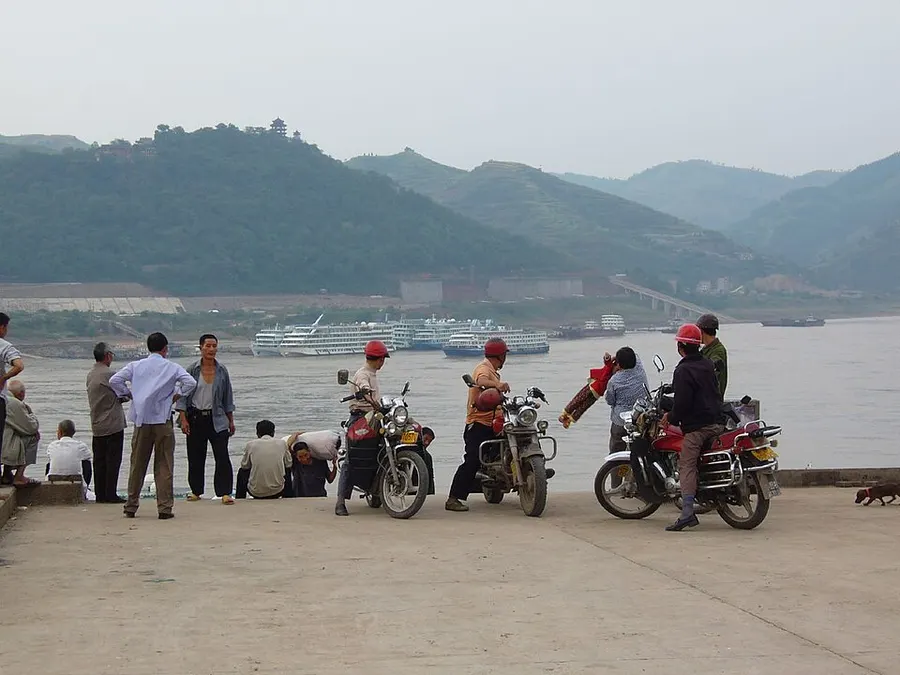
Yangtze River Basin
长江流域
The cultural corridor along the Yangtze River from Sichuan to Shanghai, home to silk cultivation, celadon ceramics, tea culture, and dragon boat traditions.
The 长江流域 Civilization
The cultural corridor along the Yangtze River from Sichuan to Shanghai, home to silk cultivation, celadon ceramics, tea culture, and dragon boat traditions.
For millennia, this region has been a crucible of Chinese civilization — shaping the arts, traditions, and cultural expressions that define the heritage of the nation. Its landscape, from mountain ranges to river valleys, has fostered distinct local practices that continue to thrive in the modern era through the dedication of master artisans, performers, and cultural custodians.
Region DNA
- Silk Weaving
- Jade Carving
- Bamboo Craft
- Lacquerware
The Historical Arc of Yangtze River Basin
Pre-1000 BCE
1000-221 BCE
221 BCE-960 CE
960-1912 CE
1912-Present
Heritage practices that continue to shape cultural life in Yangtze River Basin
Masters of Yangtze River Basin
View ArchiveNo master inheritors recorded for this region. Browse all masters
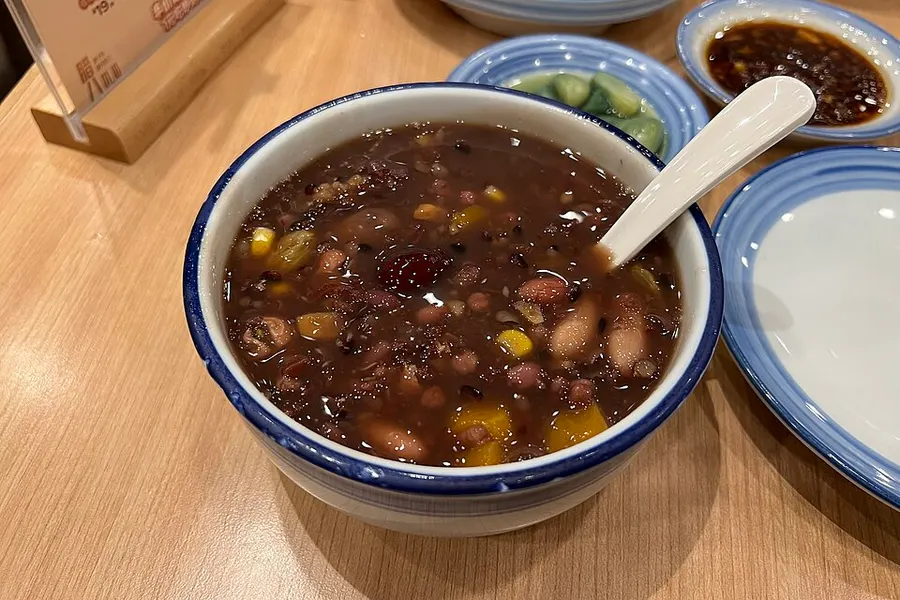
Seasonal Life in 长江流域
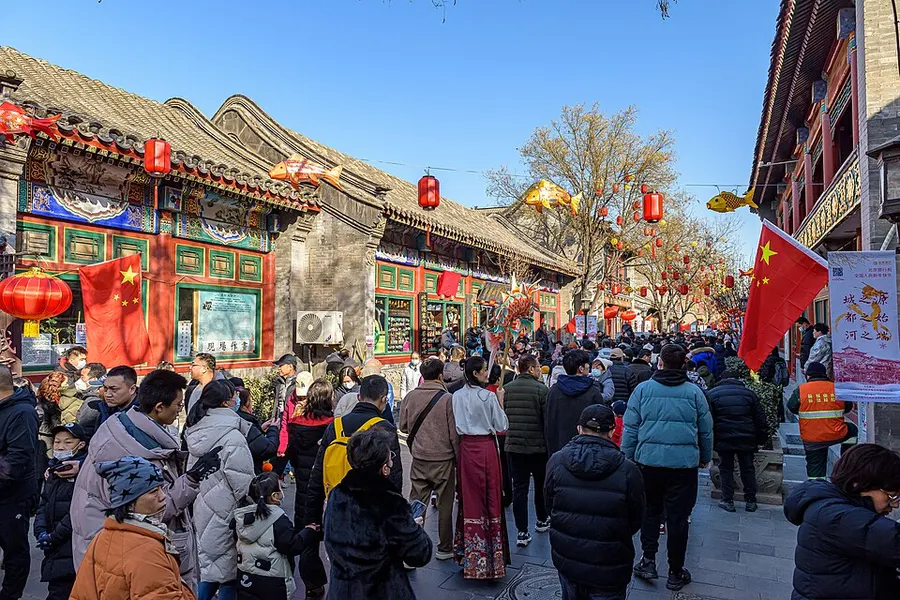
The rhythm of life in Yangtze River Basin follows a seasonal wheel. Traditions are rituals performed in harmony with the arrival of spring rains or the first autumn frost. Each season brings a specific sensory palette — the scent of new tea, the sight of lotuses in classical ponds, the sound of bells in mountain temples.
Vernal Equinox
Harvesting the most prized Pre-Qingming tea buds.
Winter Solstice
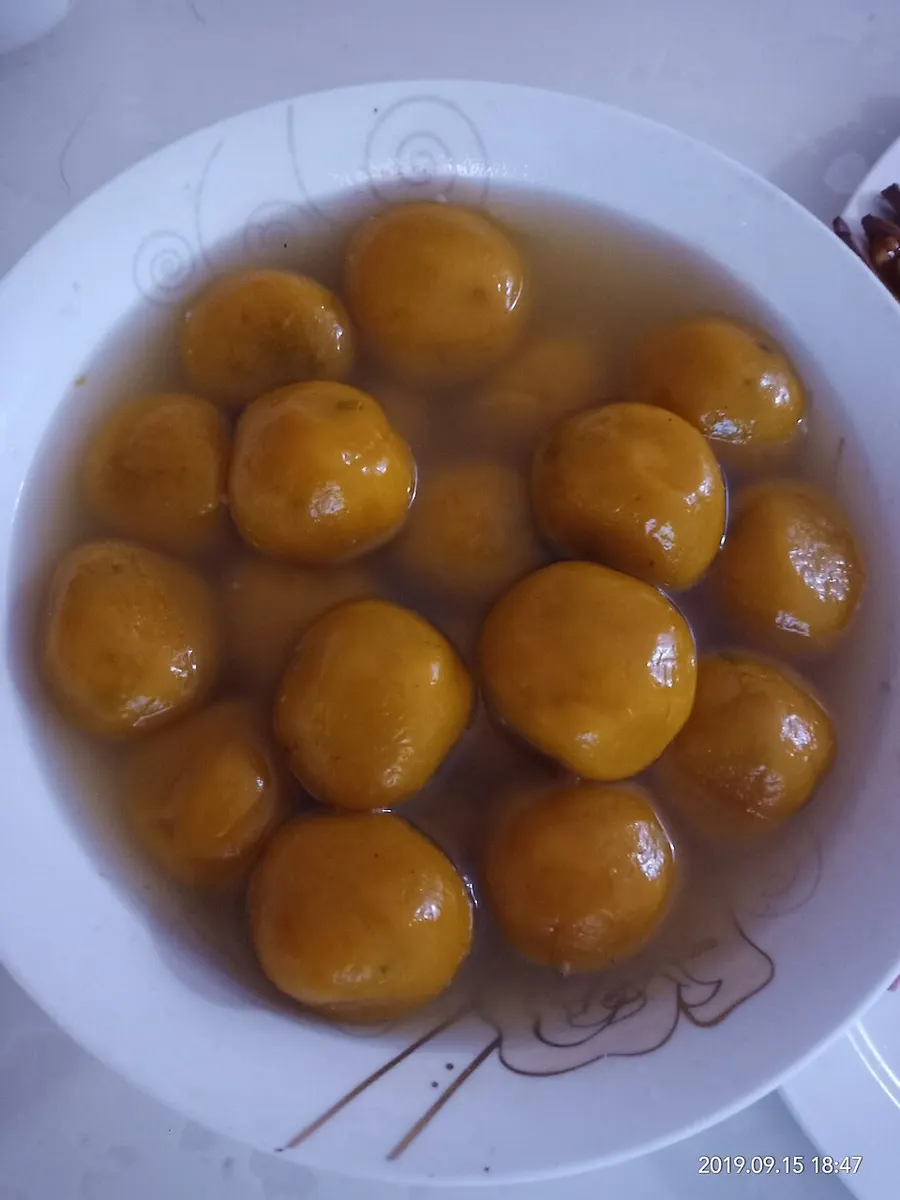
Traditional family gatherings centered around rice wine and poetry.
Yangtze River Basin Heartland
Cultural Core
30.00°N, 115.00°E
Geographic Center
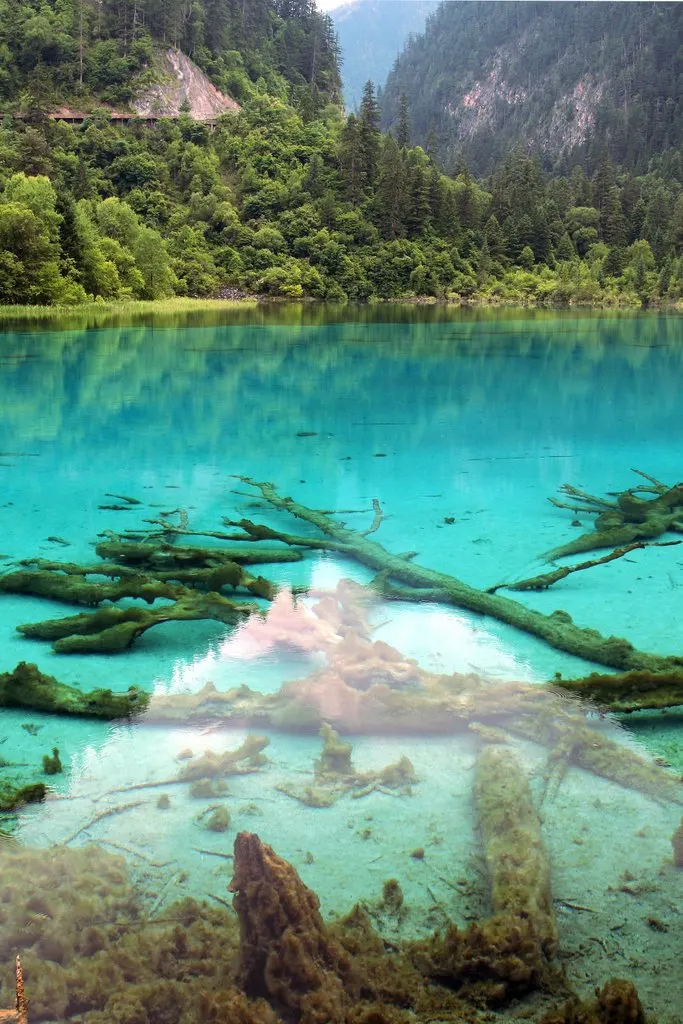
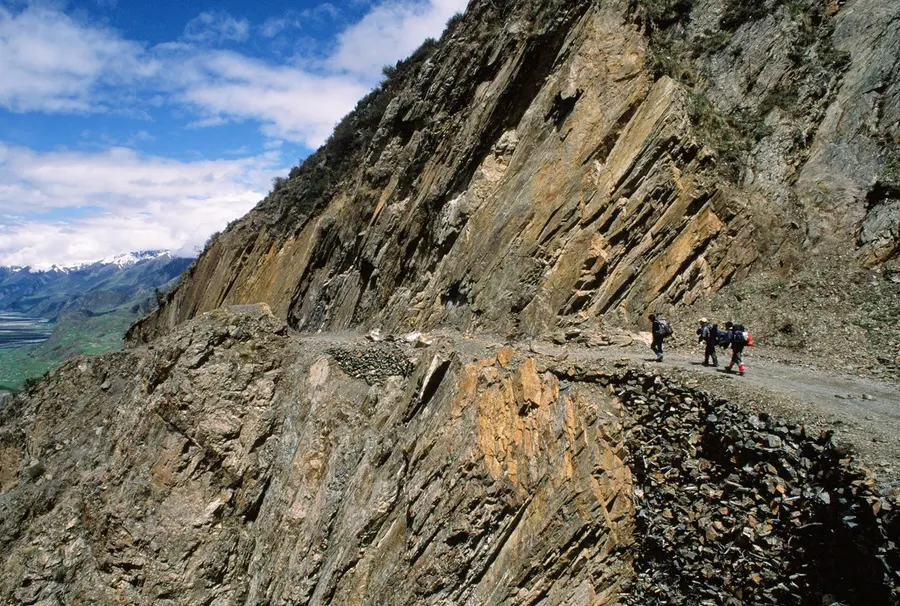
"A landscape where mountains and rivers have shaped the cultural identity of a civilization."
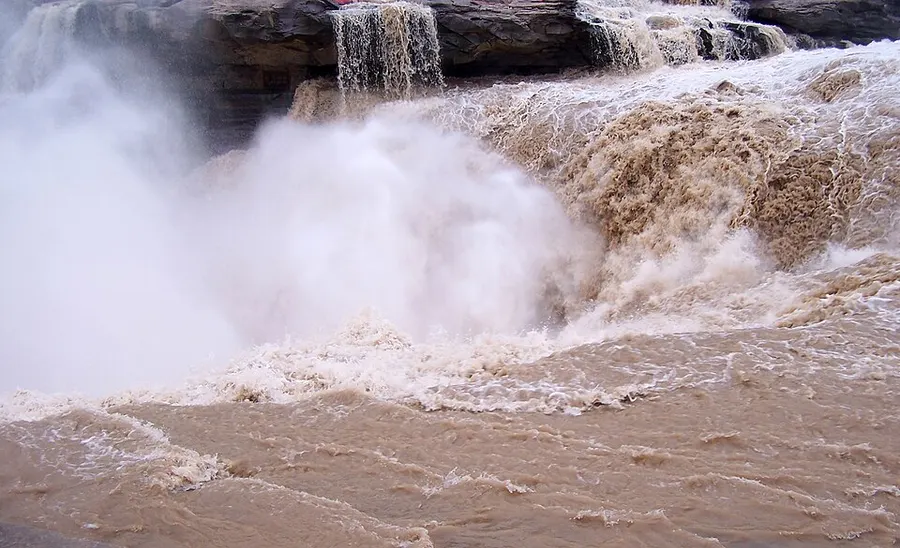
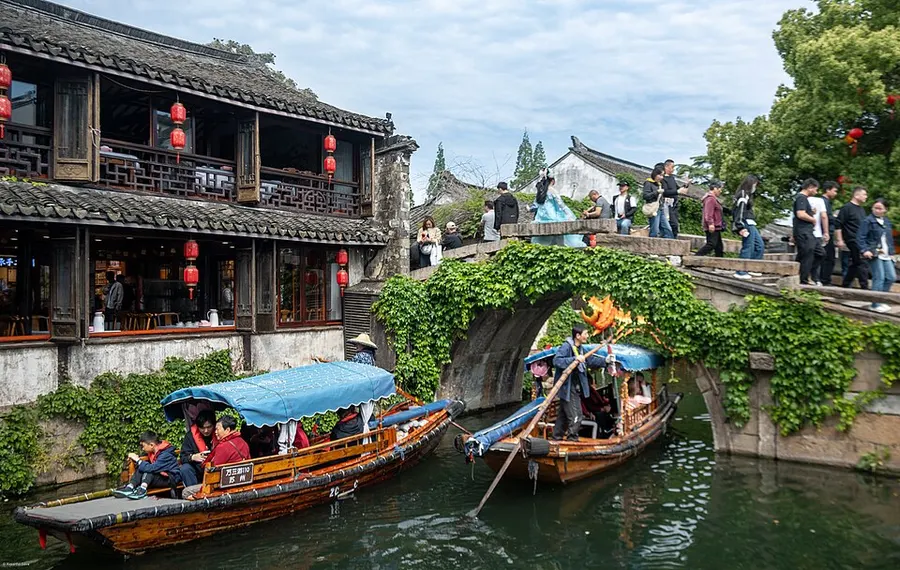
History & Development
The Yangtze runs 6,300 kilometres from Tibetan glaciers to the East China Sea, the third-longest river on Earth, and its basin hosts nearly 40 percent of China’s population. Rice agriculture here is among the oldest anywhere: phytolith evidence from Zhejiang’s Shangshan culture pushes cultivation back toward 10,000 BCE, and Hemudu’s 7,000-year-old pile dwellings show organised wet-rice villages millennia before northern millet states unified them politically.
Downstream wealth built the classical economy. The basin supplied all three exports that named the world’s trade routes — silk, porcelain clay from Gaoling, and tea — while the river itself became the "Golden Waterway" carrying Sichuan grain and Jiangnan cloth to market. Modern engineering scaled up: the Three Gorges Dam began impounding in 2003 as the largest power station ever built, and shipping locks now let ocean-going barges reach Chongqing 2,200 kilometres inland, knitting Bashu, Jingchu, and Jiangnan into one continuous corridor.
Rhythms of the Long River
- 01
Wet-rice civilization
Transplanted seedlings, buffalo ploughing, and terraced paddies define landscapes from Chengdu’s plain to Yunnan’s Honghe terraces carved by Hani farmers.
- 02
Water-town junks and locks
From canal sampans to the Five-Stage ship lift at Three Gorges, moving cargo on calm inland water has been the basin’s core technology for two millennia.
- 03
Tea belts east of the gorges
Zhejiang Longjing, Anhui Keemun, and Hunan dark teas all grow within the river’s fog-fed hills, processed today much as described in Lu Yu’s Classic of Tea.
- 04
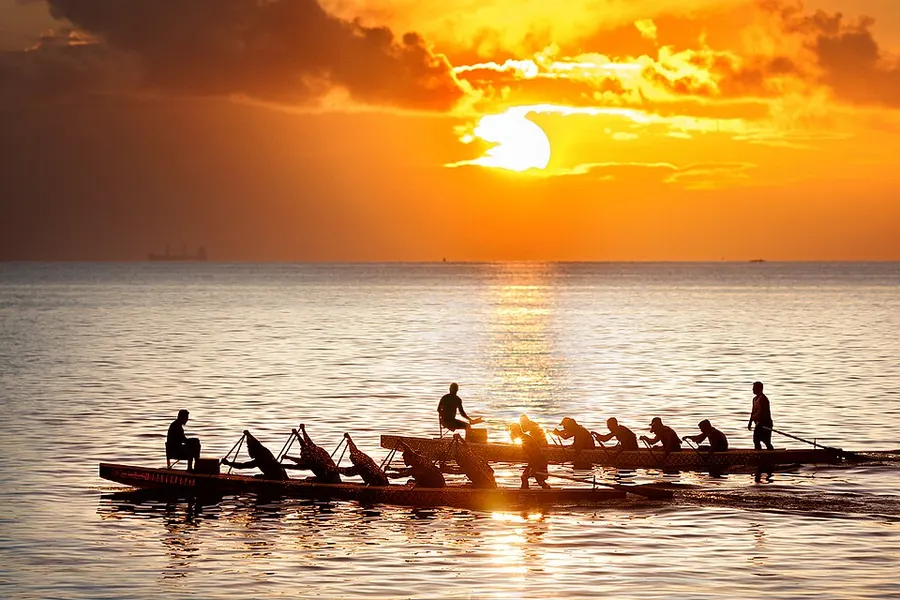
Dragon boat racing
River communities race to drumbeats each fifth lunar month, a custom tied to Qu Yuan’s Miluo River story and now an international sport.
Common Questions
How long is the Yangtze River?
About 6,300 kilometres, making it the longest river in Asia and third longest worldwide after the Nile and Amazon. It drains roughly 1.8 million square kilometres — one-fifth of China’s land area — through eleven provinces before reaching the sea near Shanghai.
Why call it the Golden Waterway?
Because it moves more freight than any river on Earth — over three billion tonnes annually since the Three Gorges locks opened deep-water navigation to 10,000-tonne fleets as far as Chongqing. Grain, cars, containers, and coal ride the same channel imperial junk fleets once did.
What crops and crafts come from the Yangtze basin?
Rice above all, plus silk reeling in Jiangsu, celadon firing at Longquan, and mountain-grown leaves processed through methods detailed in our guide to traditional tea making. The basin essentially invented China’s southern cuisine of rice, fish, and green vegetables.