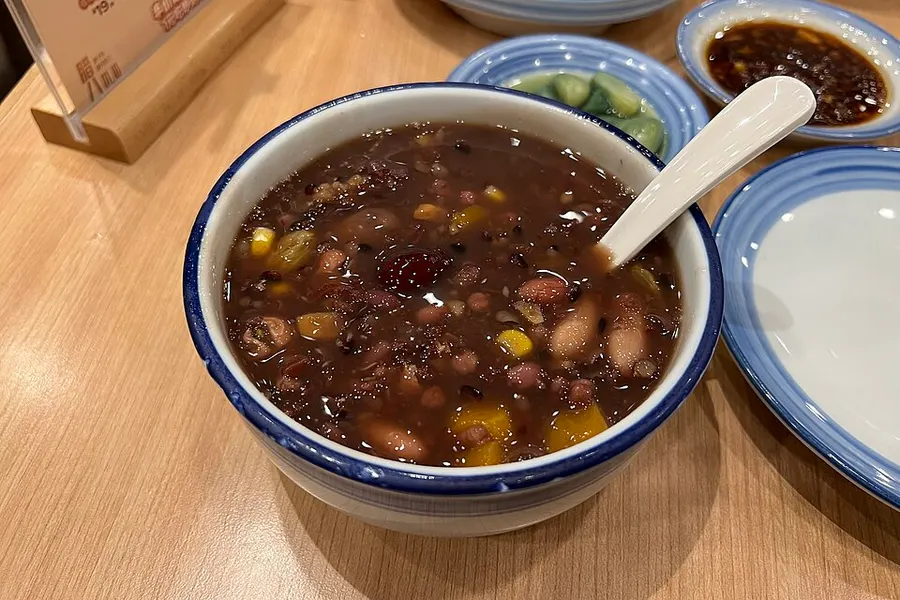
腊八节
Laba Festival
0 Items
0 Narratives
winter
8th day of 12th lunar month
A Buddhist-influenced festival marking the Buddha's enlightenment, celebrated with Laba porridge (a mix of grains, beans, nuts, and dried fruits) and temple ceremonies.
Across China, this festival embodies the deep connection between celestial cycles and human culture. Its rituals — passed down through countless generations — serve as a living archive of agricultural knowledge, spiritual belief, and community bonds that define Chinese identity.
Festival Profile
- Season winter
- Lunar Calendar 8th day of 12th lunar month
- Gregorian January
- Duration 1 Day
- Next Occurrence Jan 15, 2027
- Themes Renewal Tradition Community
New Moon
Preparations begin
Waxing
Ritual cleansing
Full Moon
Main celebration
Waning
Closing ceremonies
The sacred practices that define Laba Festival
Purification Rites
Cleansing of homes and bodies to welcome blessings
Ceremonial Feast
Traditional foods prepared with symbolic meaning
Public Processions
Community parades with music, dance, and lanterns
One Festival, Many Hearts
Laba Festival is celebrated across China, with each region adding its unique interpretation while honoring the core traditions. From bustling cities to remote villages, the festival unites communities in shared remembrance and joy.
Imperial North
Bold, public, and stately. Known for grand processions and massive temple fairs.
Ancestral South
Intimate and scholarly. Emphasizing flower markets and complex clan rituals.
Regional distribution data is being curated for this festival.
“The festival is the heartbeat of our village — when the drums begin, the ancestors are with us.”
Elder Zhao Festival Custodian“These celebrations encode thousands of years of agricultural wisdom and cosmic understanding.”
Lin Wei Cultural ScholarAncient Origins
Earliest recorded observances rooted in agricultural cycles and ancestor veneration.
Imperial Codification
Rituals standardized at court; festivals became secular social events.
Regional Flourishing
Local variations emerge with specialized folk arts and regional opera.
Modern Revival
UNESCO recognition and global celebration as a symbol of cultural identity.

A Living Legacy
Laba Festival is not a museum piece; it is the air we breathe, the food we share, and the stories we tell.
Explore the ArchiveHistory & Development
Laba Festival lands on the eighth day of the twelfth lunar month, fusing the pre-Qin la sacrifice that thanked field gods at winter's depth with Buddhism's enlightenment day of Shakyamuni. Temple porridge charity made the date famous: Song-dynasty Hangzhou records describe seven-treasure five-flavor congee distributed from monastery kitchens.
Beijing's Yonghe Temple still brews tons of laba porridge in giant copper pots each year, continuing an imperial custom the Qing court staged with ceremonial ladles. The festival also functions as the starting gun for New Year season, prompting the folk saying that after Laba it is all New Year.
Cultural Traditions
-
Laba Congee
Eight ingredients minimum, from glutinous rice, millet, and red beans to dates, lotus seeds, longan, and chestnuts, simmered overnight and shared with neighbors before dawn.
-
Pickling Laba Garlic
Northern households submerge peeled garlic in vinegar on this exact day so cloves turn jade green in time for New Year Eve dumplings.
-
Countdown Rituals
Housecleaning, market trips, and steaming begin right after Laba, linking the congee bowl directly to the Spring Festival preparations ahead.
Common Questions
Why eight ingredients?
Eight matches the date ba and echoes Buddhist lists of treasures; recipes flex regionally but always count to the lucky number.
Is Laba a Buddhist or folk festival?
Both: it merges the ancient la harvest sacrifice with the Enlightenment Day of the Buddha, which is why temples lead the porridge distribution.
Does everyone drink the same porridge?
No, the recipe map spans sweet millet versions in Shanxi, savory meat congee in Gansu, and Yonghe Temple's cream-and-sugar imperial formula.