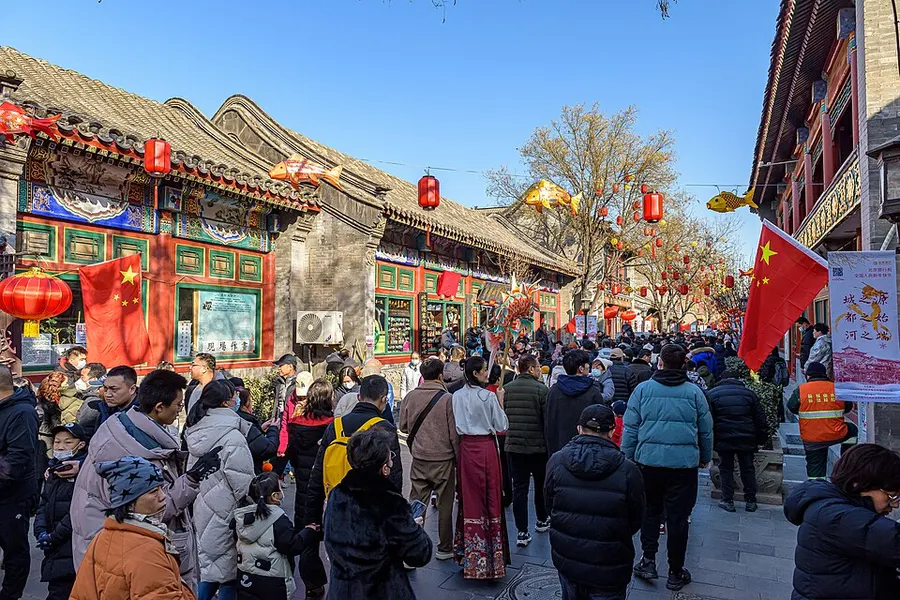
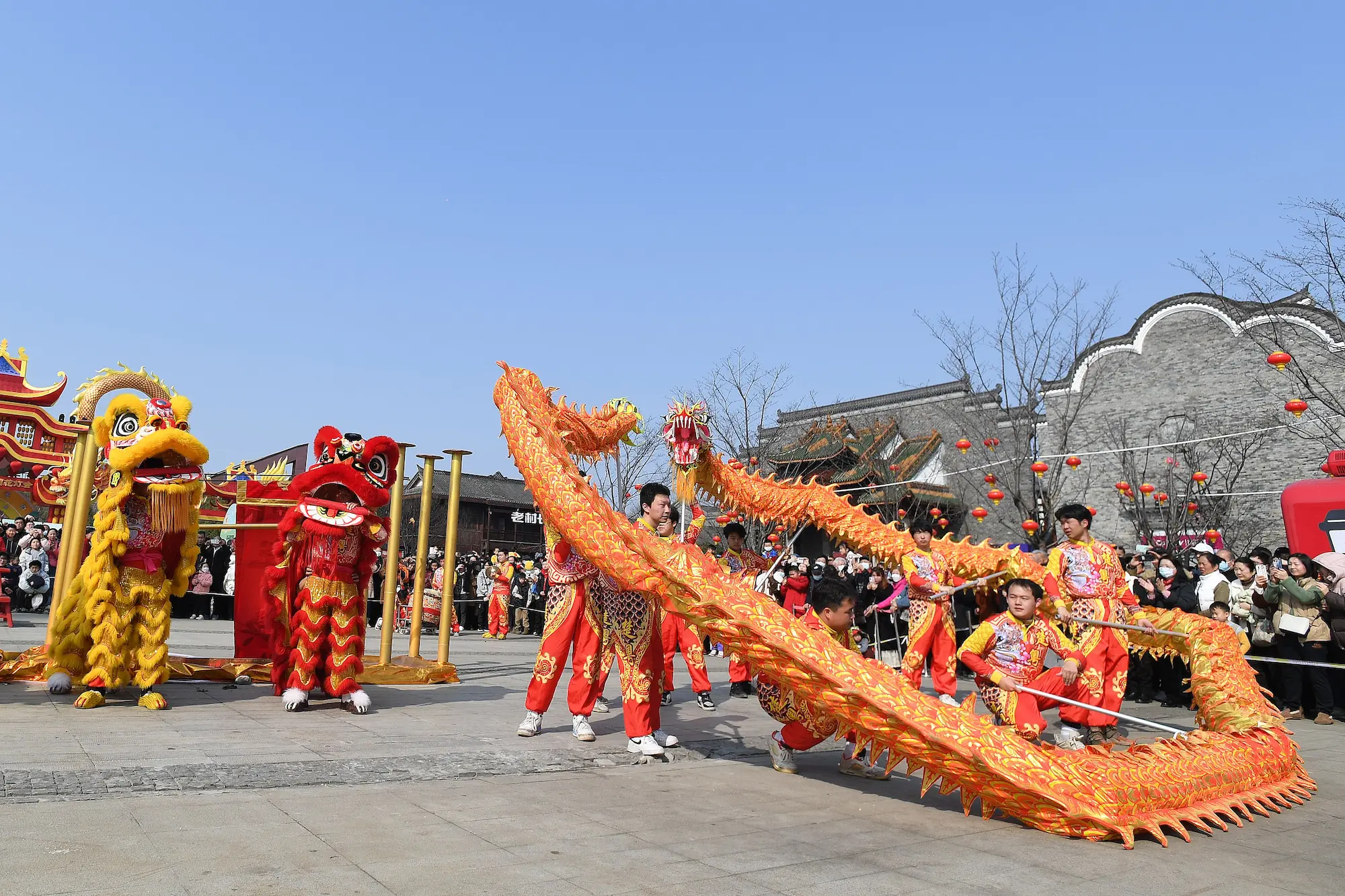
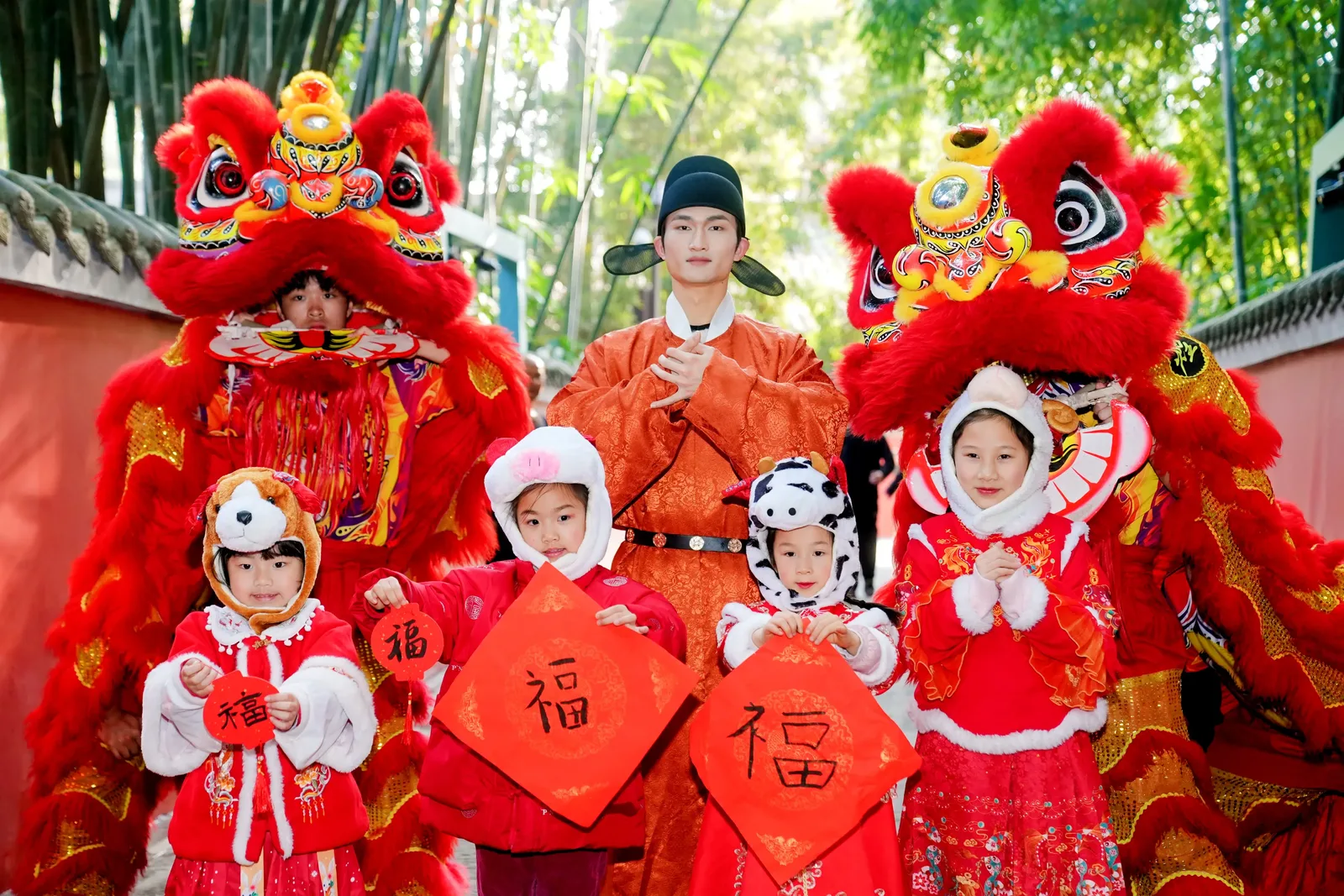
The most important Chinese holiday, celebrated with family reunions, elaborate feasts, red envelopes (hongbao), fireworks, and temple fairs. The festival marks the beginning of the lunar new year and lasts 15 days.
Across China, this festival embodies the deep connection between celestial cycles and human
culture. Its rituals — passed down through countless generations — serve as a living archive
of agricultural knowledge, spiritual belief, and community bonds that define Chinese identity.
calendar_month
Festival Profile
Seasonspring
Lunar Calendar1st day of 1st lunar month
GregorianJanuary–February
Duration15 Days
Next OccurrenceFeb 6, 2027
Themes
RenewalTraditionCommunity
nightlightCelestial Cycles
dark_mode
Phase 01
New Moon
Preparations begin
growing
Phase 02
Waxing
Ritual cleansing
brightness_7
Phase 03
Full Moon
Main celebration
bedtime
Phase 04
Waning
Closing ceremonies
temple_buddhistRituals of Memory
The sacred practices that define Spring Festival (Chinese New Year)
cleaning_services
temple_buddhist
Purification Rites
Cleansing of homes and bodies to welcome blessings
restaurant
temple_buddhist
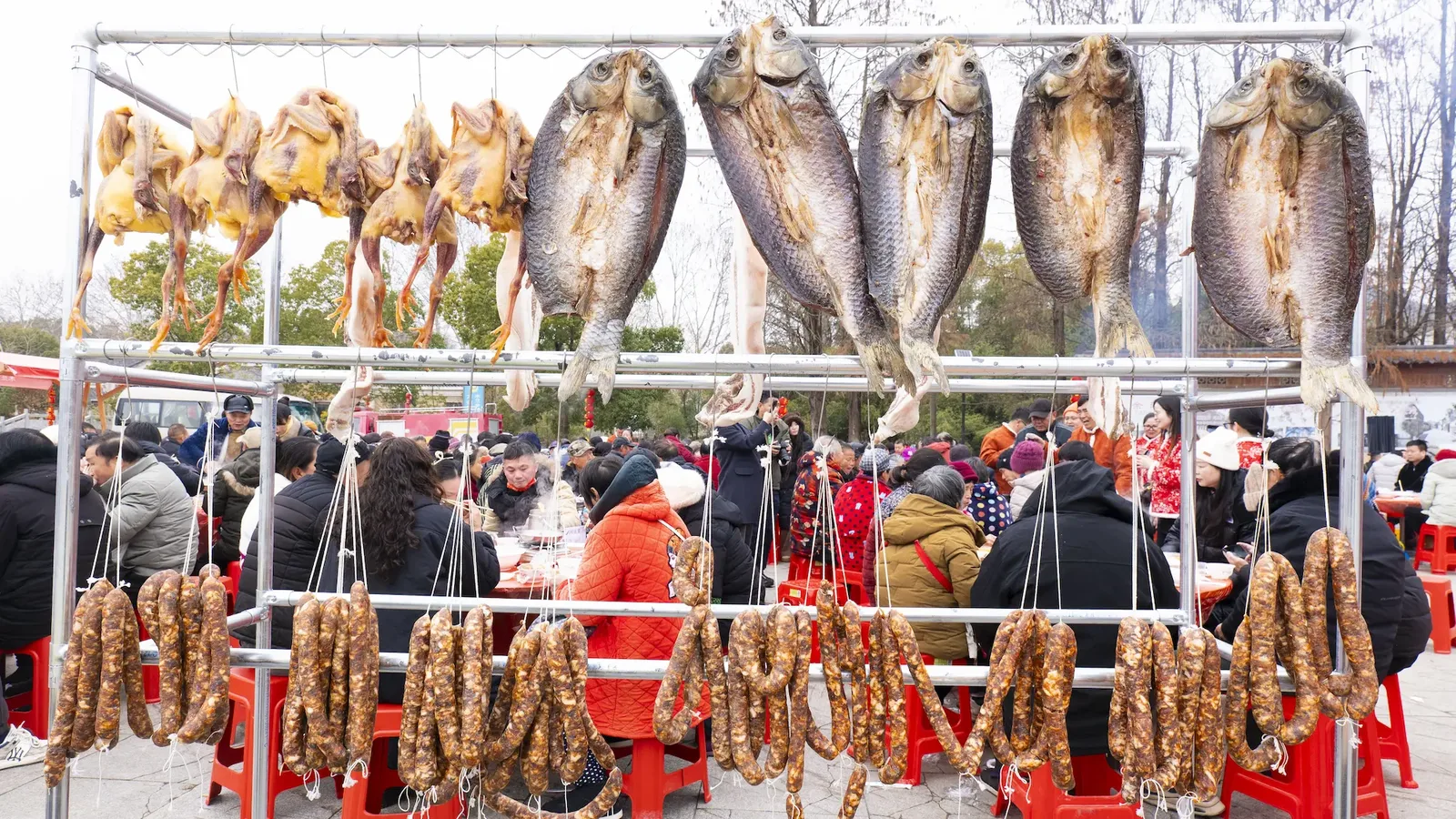
Ceremonial Feast
Traditional foods prepared with symbolic meaning
celebration
temple_buddhist
Public Processions
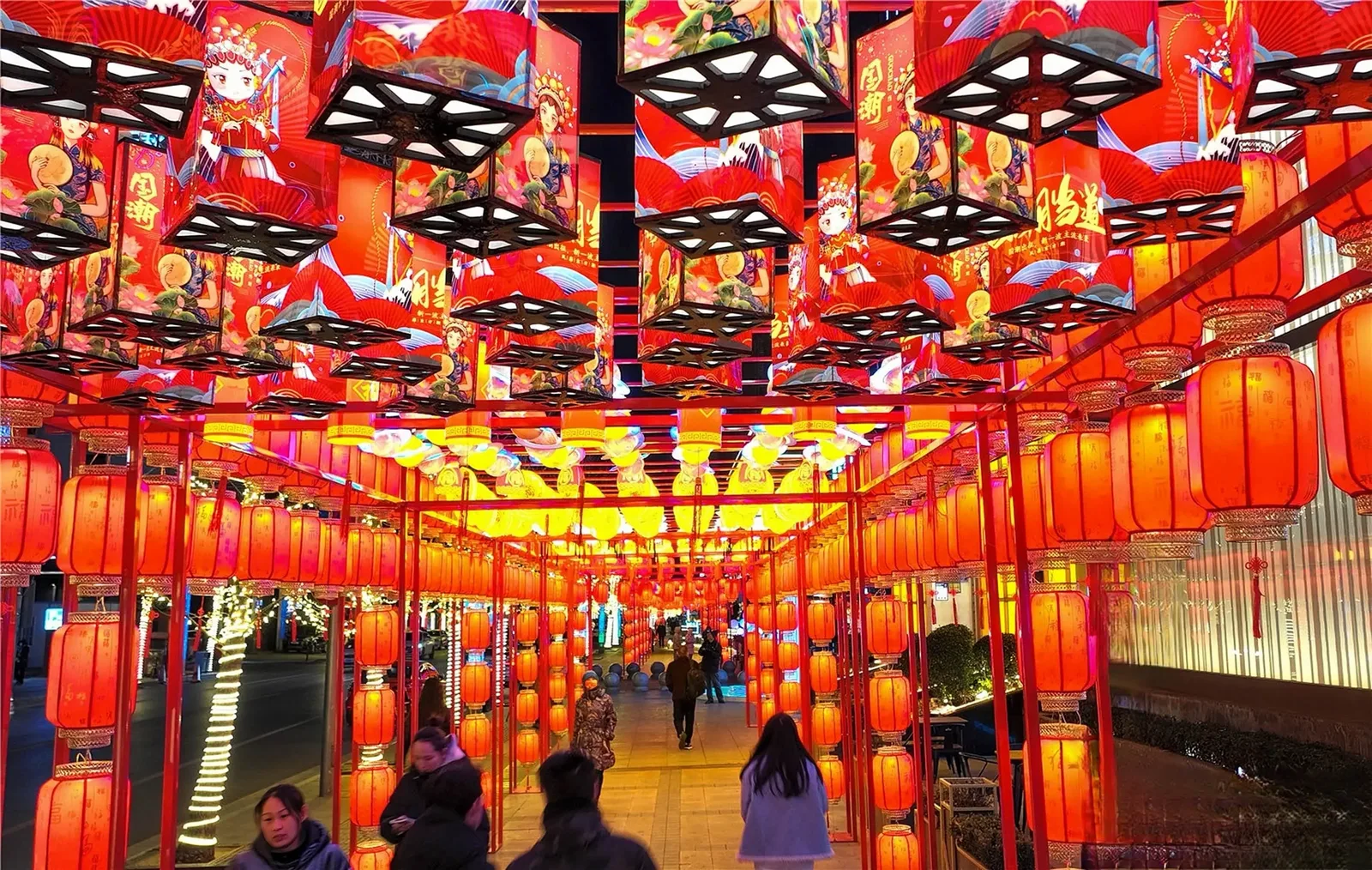
Community parades with music, dance, and lanterns
mapGeography of Tradition
One Festival, Many Hearts
Spring Festival (Chinese New Year) is celebrated across China, with each region adding its unique
interpretation while honoring the core traditions. From bustling cities to remote
villages, the festival unites communities in shared remembrance and joy.
Imperial North
Bold, public, and stately. Known for grand processions and massive temple fairs.
Ancestral South
Intimate and scholarly. Emphasizing flower markets and complex clan rituals.
The Spring Festival is the oldest continuously observed new-year celebration in the world, with sacrificial year-opening rites recorded in the Western Zhou dynasty more than 3,000 years ago. The date was fixed at the first day of the first lunar month by the Taichu Calendar of 104 BCE, and the Han-dynasty state formalized the sequence of household rituals, ancestor offerings, and official holidays that still structures the festival today.
Modern Spring Festival is also the largest periodic human migration on earth. The chunyun travel season now moves an estimated nine billion passenger trips across roughly forty days, as hundreds of millions of workers return to family villages. In 2024 China added the festival to its UNESCO intangible heritage nomination cycle, and it joined the Representative List in December 2024 as "spring festival, social practices of the Chinese people in celebration of traditional new year."
handyman
How the Fifteen Days Unfold
01
New Year's Eve Reunion Dinner
Families gather on the final evening of the lunar year for nianye fan, a meal whose fish, dumplings, and rice cakes all carry homophone blessings for surplus, wealth, and promotion.
02
Red Envelopes and Couplets
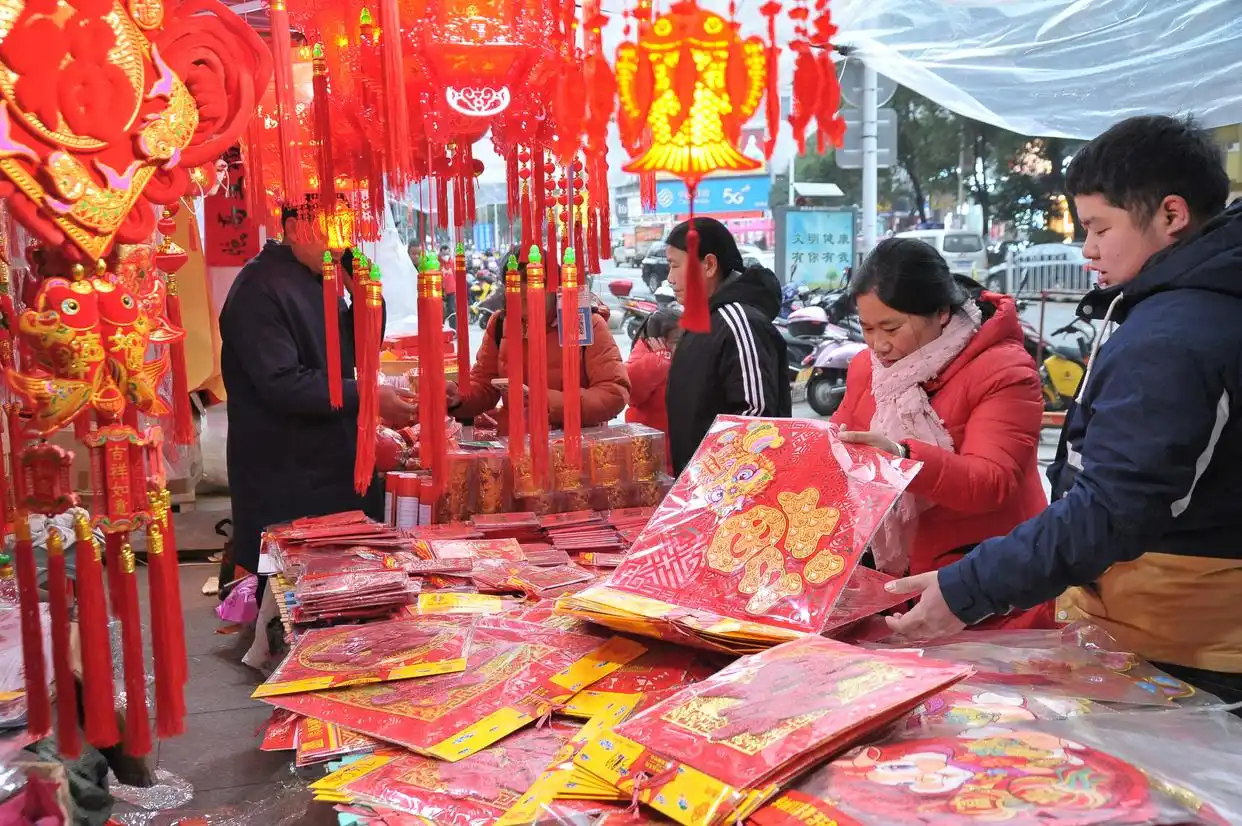
Elders give hongbao cash in red packets to children, while doorways receive freshly written spring couplets in black ink on red paper, replacing the peach-wood charms of antiquity.
Why does the Spring Festival date change every year?add
It follows the lunisolar calendar, so it falls on the first new moon between January 21 and February 20. The twenty-four solar terms keep agricultural seasons aligned despite the shifting date.
What is chunyun?add
Chunyun is the forty-day travel rush around the holiday, the largest annual human migration on record, moving about nine billion trips by rail, road, and air.
Long ago, a monster called Nian (meaning "year") would descend from the mountains every New Year's Eve to devour villagers and livestock. The people discovered Nian feared the color red, bright light, and loud noises. They began decorating their homes in red, lighting lanterns and firecrackers to drive Nian away. This tradition evolved into the Spring Festival customs observed today.