menu_book The Full Narrative
01
The Monster of New Year's Eve
In the most famous telling, Nian emerged each winter from the deep mountains or the sea, hungry after a year of hibernation. Whole villages emptied in fear. The name Nian became so entwined with the annual threat that the celebration itself took the monster's name — guo nian, "to pass the year", means surviving the creature's night of terror.
02
Red, Light, and Noise
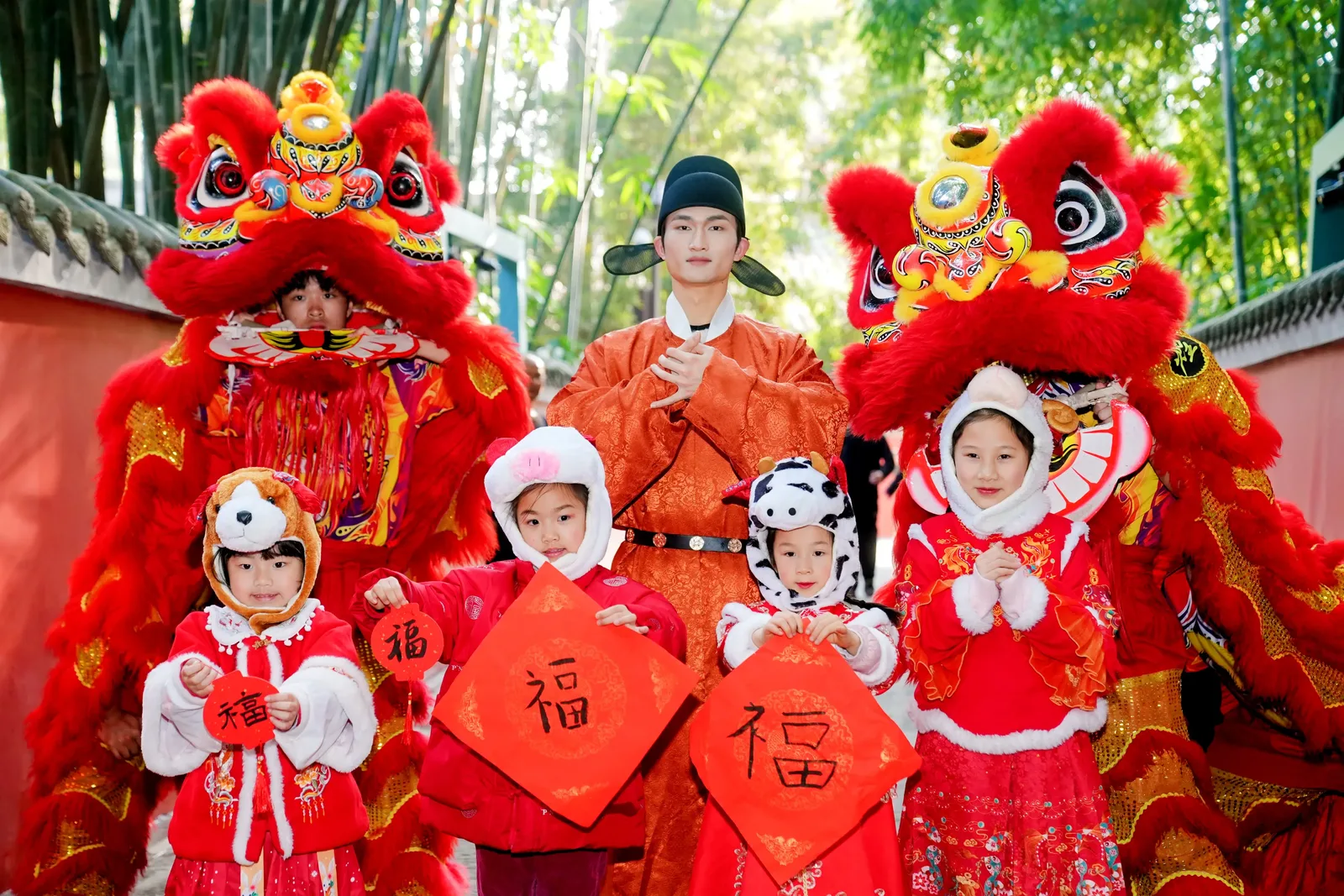
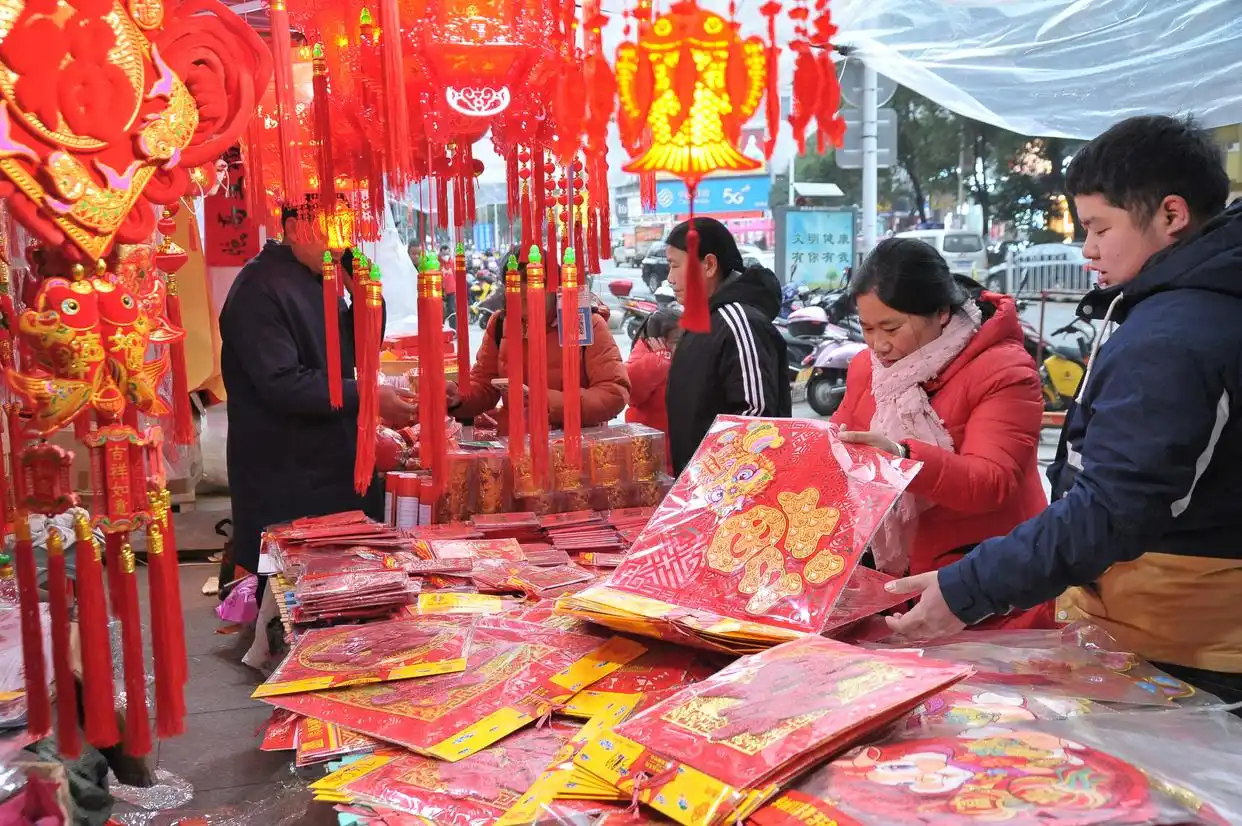
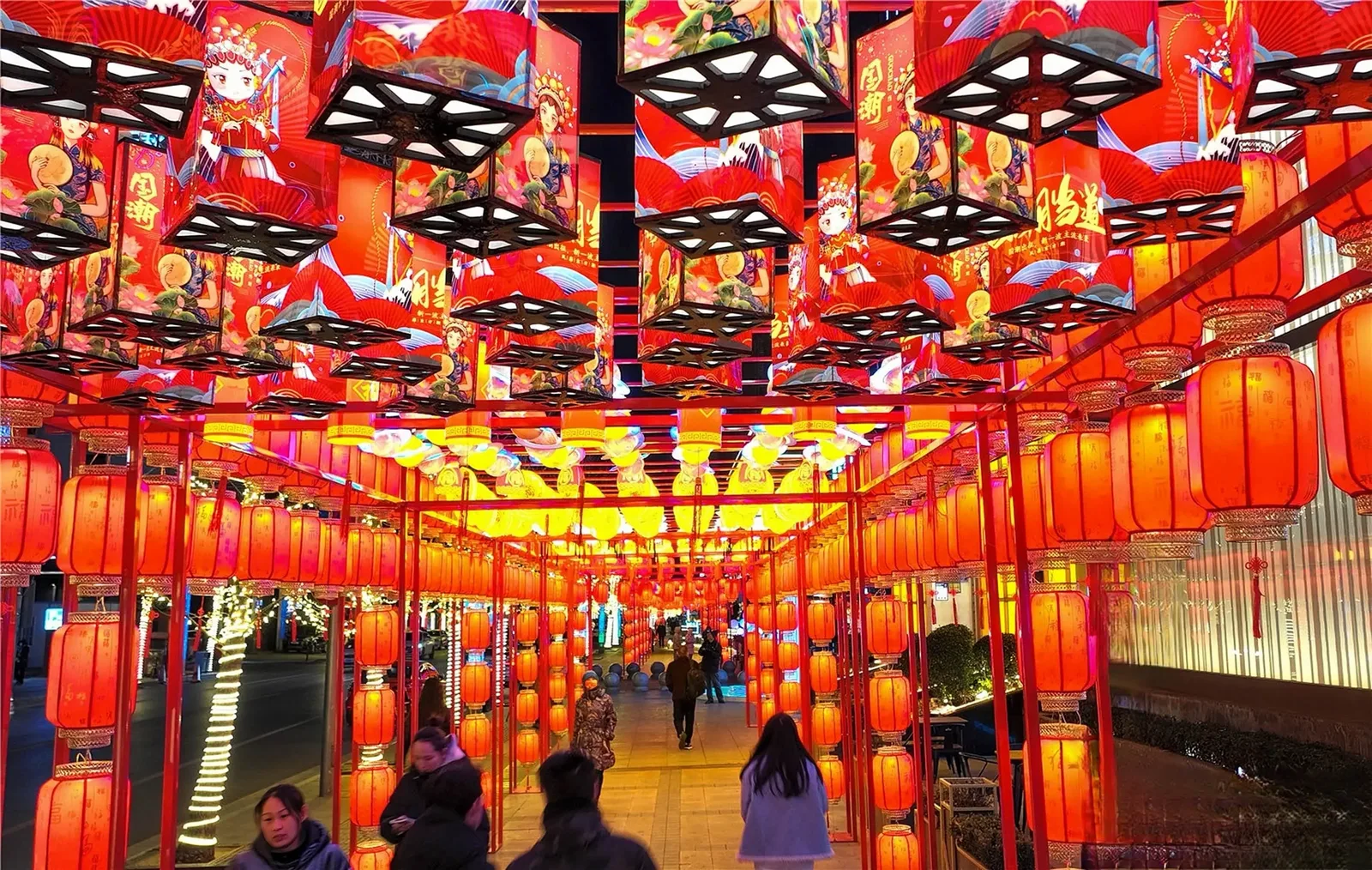
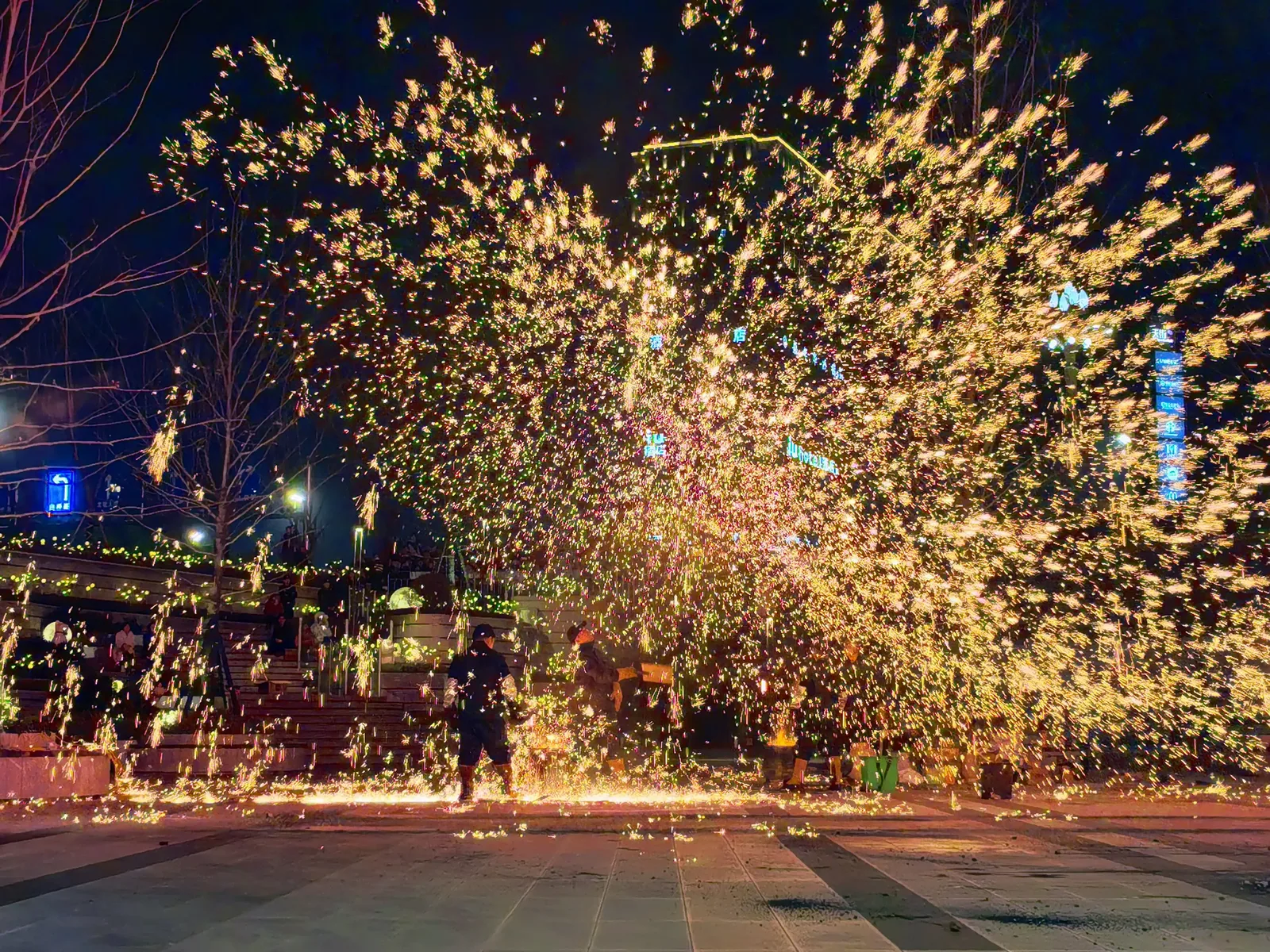
The apotropaic trinity — red, light, and noise — became the signature of Spring Festival. Red couplets were pasted on doorframes, lanterns hung from eaves, and firecrackers shattered the midnight air. These symbols of warding were so potent they outlived the myth, becoming the visual language of celebration itself.
03
From Shang Rituals to Modern Celebration
Historians trace Spring Festival to Shang Dynasty rituals honoring gods and ancestors at the turn of the agricultural year. The Nian legend gave the ancient observance a story — a narrative engine that carried the festival across four millennia, through Buddhist, Taoist, and Confucian additions, to the largest annual migration on Earth.
04
Paper, Powder, and Printed Fear
Every defence against Nian is a technology of its era. Gunpowder-packed bamboo gave way to factory firecrackers by the Song dynasty, woodblock prints of door gods replaced hand-painted talismans, and the nianhua New Year print workshops turned the monster's defeat into an industry centred on Yangliuqing near Tianjin. A household could now buy its protection in sets of two prints and a string of crackers.
05
A Monster Reborn on Stage and Screen
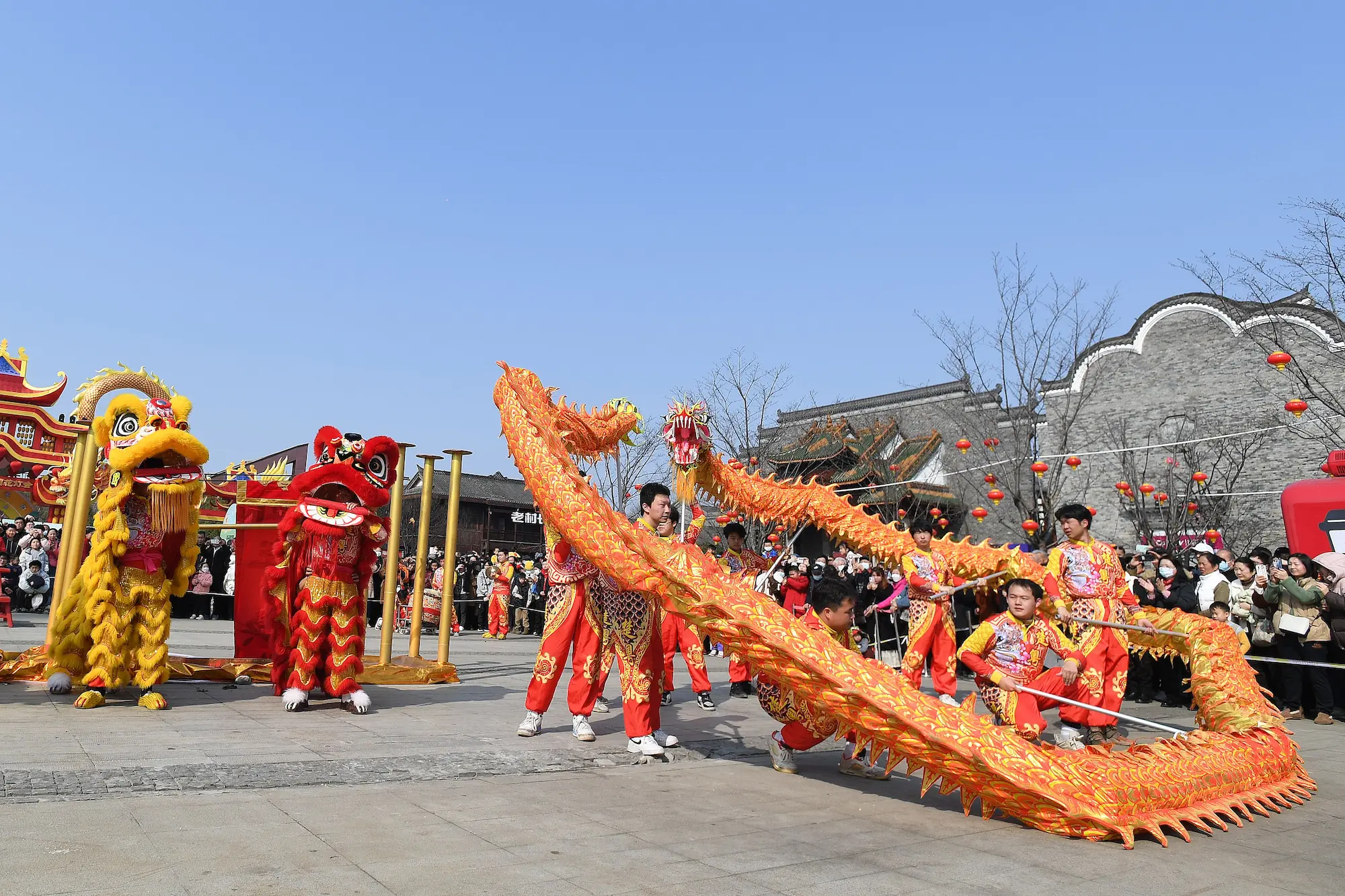
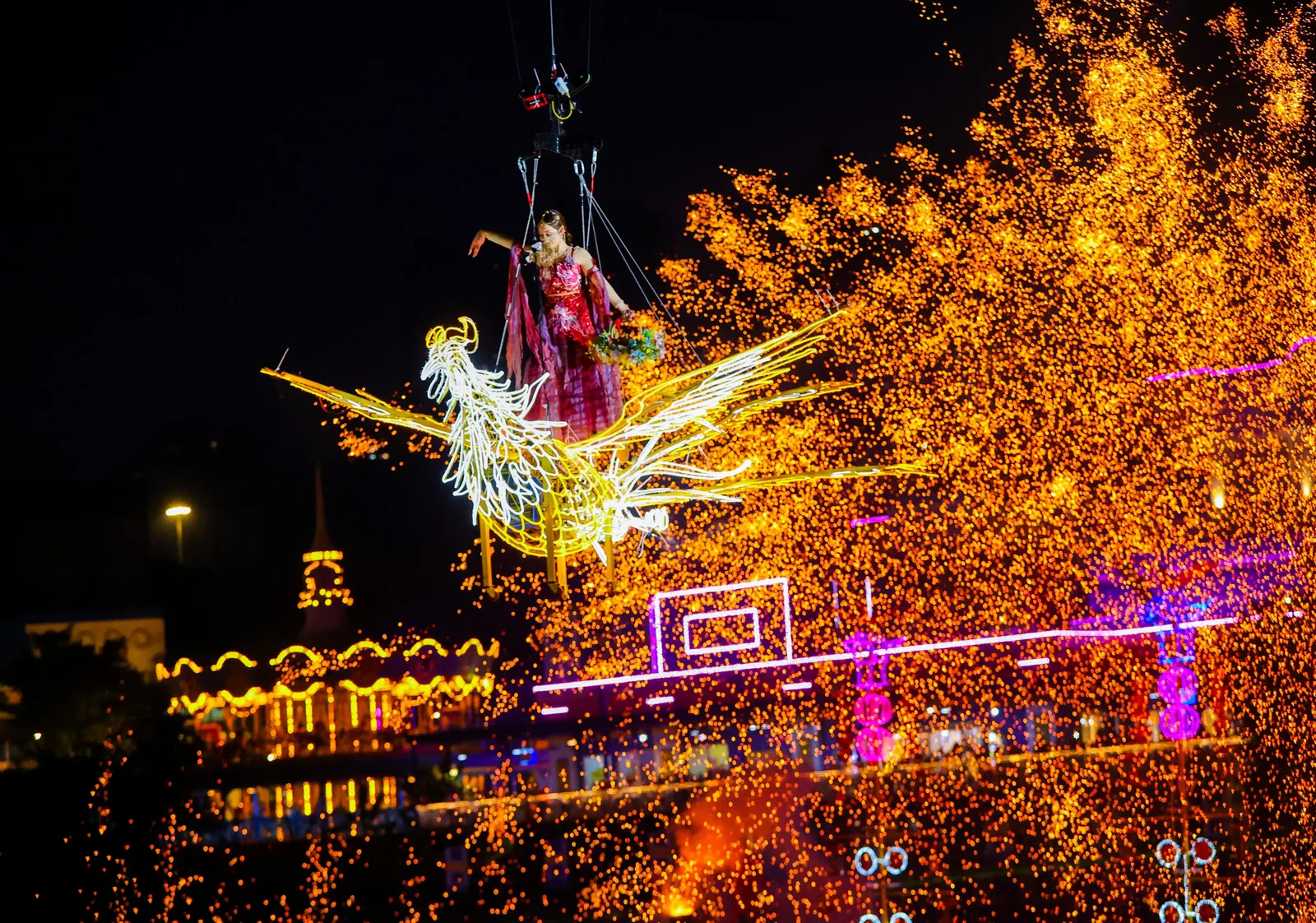
The beast survives because each generation retells it. Teachers stage Nian pantomimes in primary schools, troupes fold the story into dragon lantern processions on festival nights, and animation studios reboot it as a children's film villain. The lesson never changes: fear yields to red paper, bright light, and a community that stays awake together.
06
The Beast Adapts to the Apartment Block
Urban regulation reshaped the Nian legend's signature prop, the firecracker, more than any century before it. Beijing banned private fireworks inside the fifth ring road in 1993, lifted the ban in 2005 after public complaint, then reimposed tighter seasonal limits from 2017, a policy pendulum repeated in hundreds of cities. Liuyang in Hunan answered with quieter composite products and now supplies an estimated sixty percent of global display fireworks, pivoting its workshops toward choreographed drone-and-shell shows. Families in high-rises substitute electronic crackers that replay recorded detonations at apartment-safe volume, and streaming galas schedule midnight fireworks broadcasts so viewers inherit the sound without the smoke. The monster itself thrives in this reduced-sensory form: animated shorts retell the red-and-noise defense every January on the Spring Festival calendar, and children's picture books keep the beast on shelves. The legend survives because the ritual logic, loudness as protection, translates into any medium the city permits.