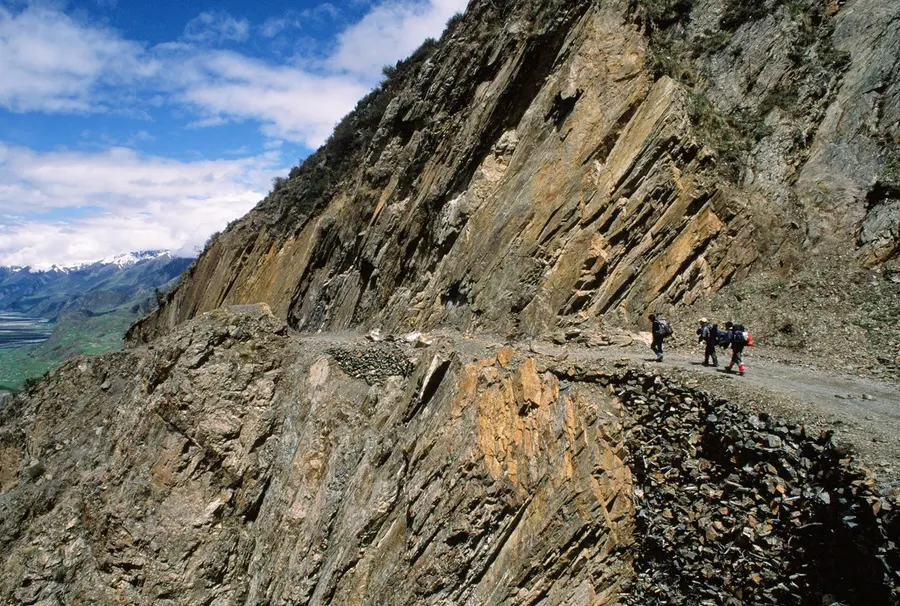
Tea Horse Road
茶马古道
The ancient trade route from Yunnan through Tibet to South Asia, a corridor of tea trade, cultural exchange, and ethnic minority traditions including Tibetan and Yi performing arts.
The 茶马古道 Civilization
The ancient trade route from Yunnan through Tibet to South Asia, a corridor of tea trade, cultural exchange, and ethnic minority traditions including Tibetan and Yi performing arts.
For millennia, this region has been a crucible of Chinese civilization — shaping the arts, traditions, and cultural expressions that define the heritage of the nation. Its landscape, from mountain ranges to river valleys, has fostered distinct local practices that continue to thrive in the modern era through the dedication of master artisans, performers, and cultural custodians.
Region DNA
- Silk Weaving
- Jade Carving
- Bamboo Craft
- Lacquerware
The Historical Arc of Tea Horse Road
Pre-1000 BCE
1000-221 BCE
221 BCE-960 CE
960-1912 CE
1912-Present
Heritage practices that continue to shape cultural life in Tea Horse Road
Masters of Tea Horse Road
View ArchiveNo master inheritors recorded for this region. Browse all masters

Seasonal Life in 茶马古道
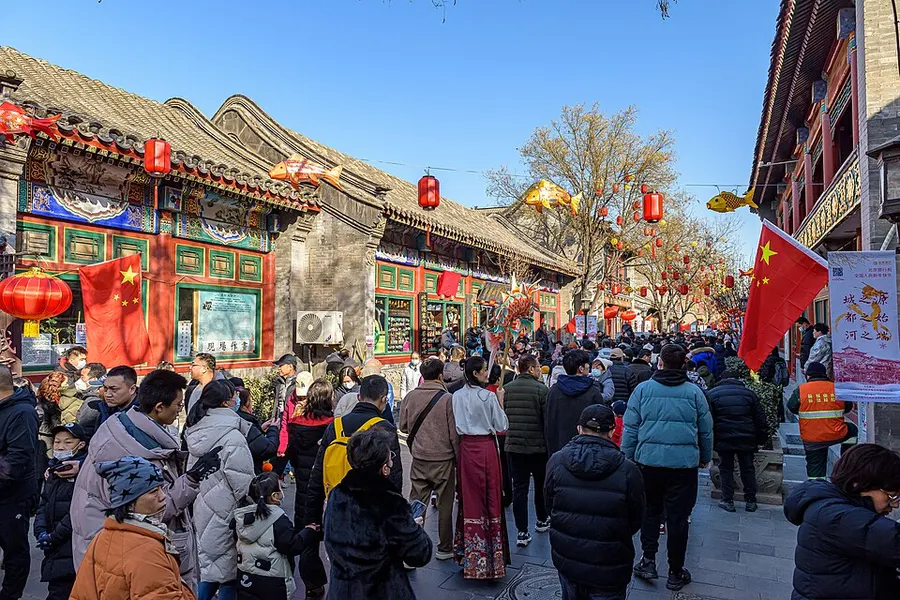
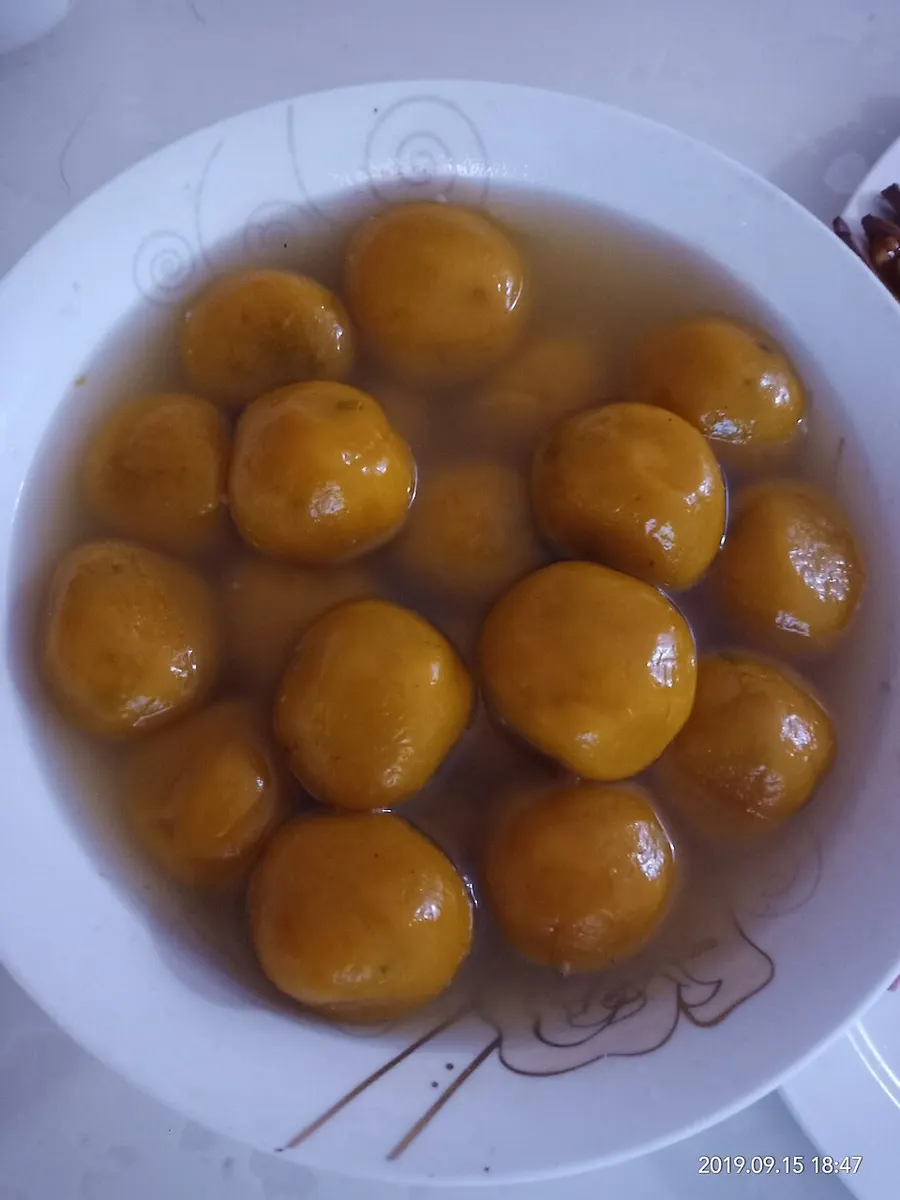
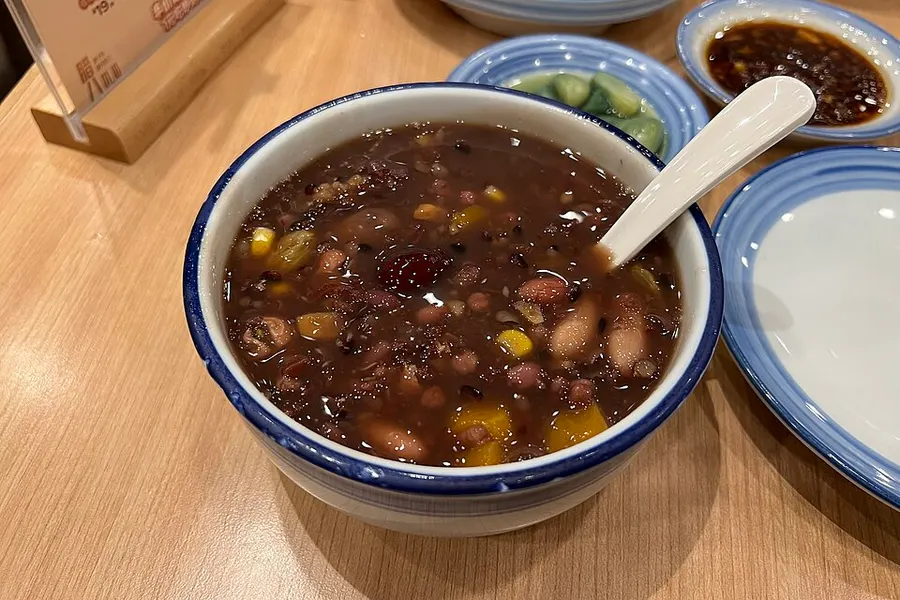
The rhythm of life in Tea Horse Road follows a seasonal wheel. Traditions are rituals performed in harmony with the arrival of spring rains or the first autumn frost. Each season brings a specific sensory palette — the scent of new tea, the sight of lotuses in classical ponds, the sound of bells in mountain temples.
Vernal Equinox
Harvesting the most prized Pre-Qingming tea buds.
Winter Solstice
Traditional family gatherings centered around rice wine and poetry.
Tea Horse Road Heartland
Cultural Core
27.00°N, 100.00°E
Geographic Center
"A landscape where mountains and rivers have shaped the cultural identity of a civilization."
Connected Regions
History & Development
The Tea Horse Road was a high-altitude trade network knitting Yunnan’s tea forests to Tibet’s horse country through Sichuan and the eastern Himalaya. From the Song dynasty’s state Tea-Horse Agency (established 1074) onward, compressed Pu’er bricks climbed passes above 4,000 metres on mule backs while Tibetan ponies descended for the frontier cavalry — a barter loop the state supervised for six centuries because horses decided wars and tea decided diets.
Caravan towns grew rich on the traffic: Lijiang’s Naxi merchant families, Dali’s Bai warehouses, and Kangding’s exchange yards each tuned their architecture to storage, stabling, and negotiation. A single round trip could take three months across rope bridges and snow corridors, so departure rituals and way-station temples accumulated their own cults. The road’s economics faded after 1950s highways, but its cultural weight was formally recognized when UNESCO inscribed the Jingmai Mountain old-tea-forest landscape in September 2023 — the first listing anywhere centred on a cultivated tea landscape — validating exactly the agro-ecosystem the caravans originally monetized.
How the Caravan Trade Ran
- 01
Brick pressing
Leaves were steamed and pressed into bricks or tuo cha so loads survived months of monsoon and frost; aged Pu’er acquired value partly because the journey fermented it.
- 02
Mule-train logistics
Bell-collared lead animals, standardized loads of eight units, and hereditary teamster guilds moved freight through passes where each leg had negotiated tolls and pasture rights.
- 03
Way-station hospitality
Caravan inns offered fodder, hot tubs, and storytelling; many doubled as temples where drivers burned incense before the dangerous descents.
- 04
Tea-house reception
At the Tibetan end, bricks were exchanged door-to-door in Lhasa and brewed thick with butter and salt, completing a dietary loop between plateau grain and lowland caffeine.
Common Questions
Why did Tibet trade horses for tea?
Plateau diets heavy in meat and dairy needed tea’s digestion aid and vitamin C, while Chinese armies needed sturdy horses. The Song court institutionalized the swap in 1074, fixing exchange rates and licensing caravans; private trade persisted alongside for seven centuries.
Can you walk the Tea Horse Road now?
Sections yes: the stone-paved approaches around Lijiang, Shaxi’s restored market square (the best-preserved caravan town on the route), and trails above Nuodeng. Multi-day treks combine guesthouses in former way-stations with visits to working tea presses described in our road narrative.
What did the 2023 Jingmai inscription change?
It made the old-growth tea forests and Blang and Wa villages of Jingmai Mountain the first UNESCO site defined by tea cultivation itself, protecting canopy ecology and village tenure together. Producers there now certify provenance accordingly, and demand for their processed leaves rose measurably after the listing.