Southwest China
西南
The ethnically diverse highland region of Yunnan, Guizhou, and western Sichuan, home to over 25 ethnic minority groups with rich dance and music traditions.
The 西南 Civilization
The ethnically diverse highland region of Yunnan, Guizhou, and western Sichuan, home to over 25 ethnic minority groups with rich dance and music traditions.
For millennia, this region has been a crucible of Chinese civilization — shaping the arts, traditions, and cultural expressions that define the heritage of the nation. Its landscape, from mountain ranges to river valleys, has fostered distinct local practices that continue to thrive in the modern era through the dedication of master artisans, performers, and cultural custodians.
Region DNA
- Silk Weaving
- Jade Carving
- Bamboo Craft
- Lacquerware
The Historical Arc of Southwest China
Pre-1000 BCE
1000-221 BCE
221 BCE-960 CE
960-1912 CE
1912-Present
Heritage practices that continue to shape cultural life in Southwest China
Masters of Southwest China
View ArchiveNo master inheritors recorded for this region. Browse all masters


Seasonal Life in 西南
The rhythm of life in Southwest China follows a seasonal wheel. Traditions are rituals performed in harmony with the arrival of spring rains or the first autumn frost. Each season brings a specific sensory palette — the scent of new tea, the sight of lotuses in classical ponds, the sound of bells in mountain temples.
Vernal Equinox
Harvesting the most prized Pre-Qingming tea buds.
Winter Solstice
Traditional family gatherings centered around rice wine and poetry.
Southwest China Heartland
Cultural Core
26.00°N, 104.00°E
Geographic Center
Guizhou Province
贵州省
Yunnan Province
云南省
"A landscape where mountains and rivers have shaped the cultural identity of a civilization."
Connected Regions
History & Development
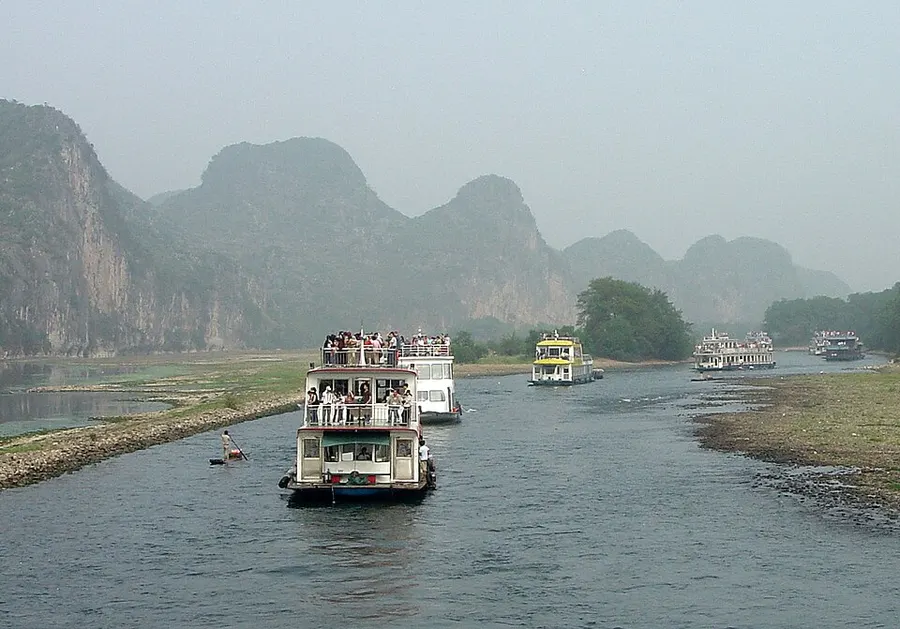
Southwest China — Yunnan, Guizhou, Sichuan, Chongqing, and Tibet’s eastern marches — folds mountains, karst plateaus, and river gorges into some of Asia’s densest cultural diversity. Twenty-five ethnic groups have lived in Yunnan alone since before written records; the horizontal corridors between the Salween, Mekong, and Yangtze gorges acted as both refuge and highway, spreading languages, rice terraces, and metallurgy across Himalayan foothills.
Adaptation produced monumental agriculture. Hani villagers sculpted Yuanyang’s rice terraces across as much as 3,700 stair-stepped metres of slope, inscribed by UNESCO in 2013; Dong carpenters raised drum towers and wind-rain bridges without nails while their polyphonic choirs earned a 2009 inscription; Miao silversmiths hammered festival regalia weighing whole kilos. Karst topography added spectacle and challenge alike — Shilin’s stone forests and Guizhou’s cave systems drain rainfall underground, so villages cluster where springs resurface, and mountain markets rotated between them on five-day cycles that still structure rural commerce.
Highlands of Many Peoples
- 01
Terrace agriculture
Forested mountaintops, villages, terraces, and valley rivers form a four-element water system Hani farmers manage communally, flooding paddies each spring into a mirror landscape.
- 02
Polyphonic Dong choirs
Unaccompanied Grand Song repertoires imitate cicadas and flowing water; children learn parts orally in village choirs rather than conservatories.
- 03
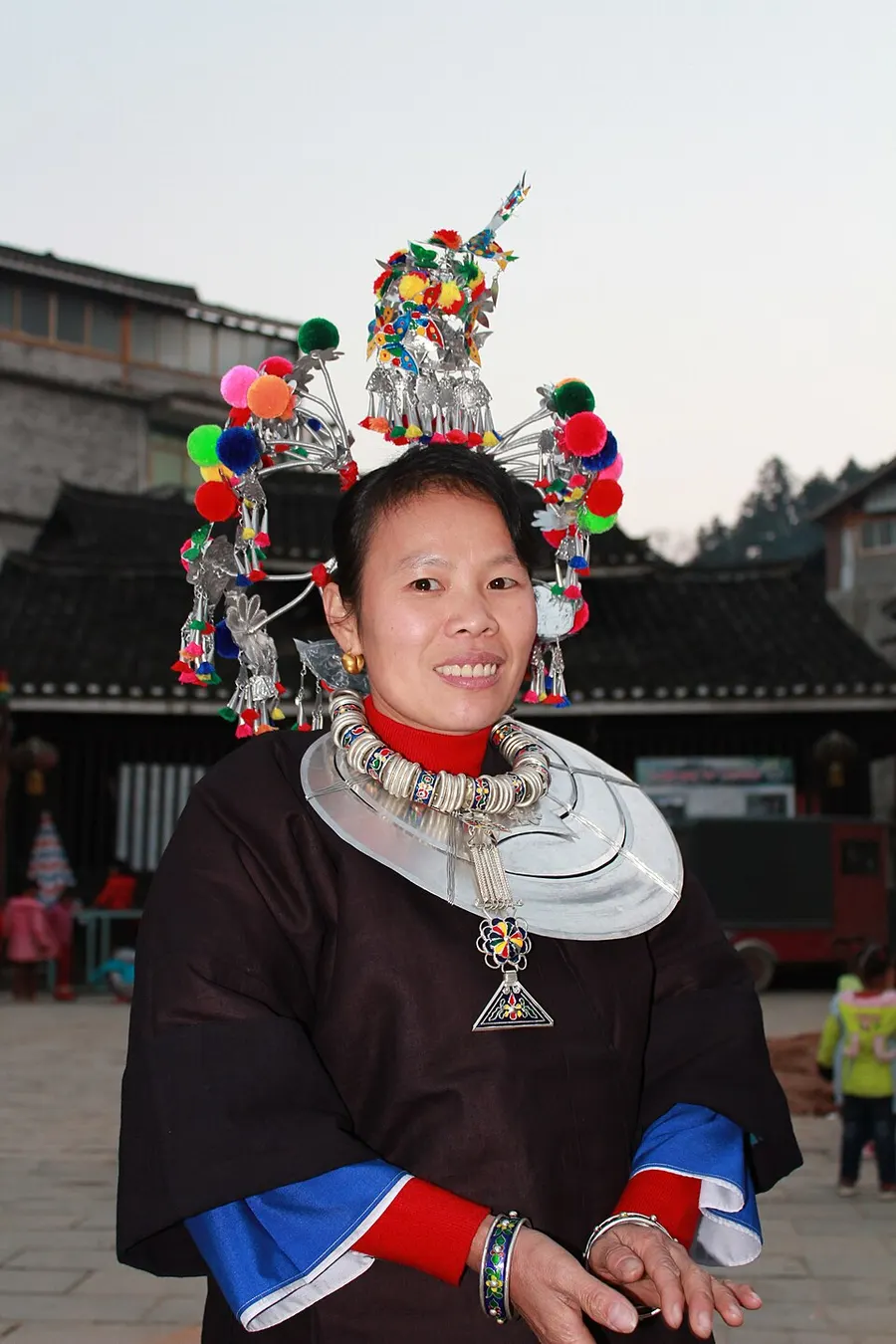
Silver festival dress
Miao families accumulate heirloom necklaces, horns, and bells — sometimes exceeding ten kilograms — worn simultaneously at New Year to display lineage wealth.
- 04
Rotating mountain markets
Six-day market cycles move vendors between valley towns, a scheduling system predating fixed shops and still visible in Guizhou’s rural calendars.
Common Questions
Why is Southwest China so ethnically diverse?
North-south running river gorges created isolated but habitable valleys, letting dozens of language communities persist side by side while lowland empires absorbed flatter lands. Migration routes also paused here, depositing Tibeto-Burman, Tai-Kadai, and Mon-Khmer speakers across adjacent slopes.
When should I visit the Yuanyang terraces?
December to March, when flooded paddies mirror sunrise light and clouds fill the valley; planting begins around April. The Hani calendar’s "Open Terraces" rituals coincide with late winter — context in our Hani profile.
How do people travel through such rugged terrain?
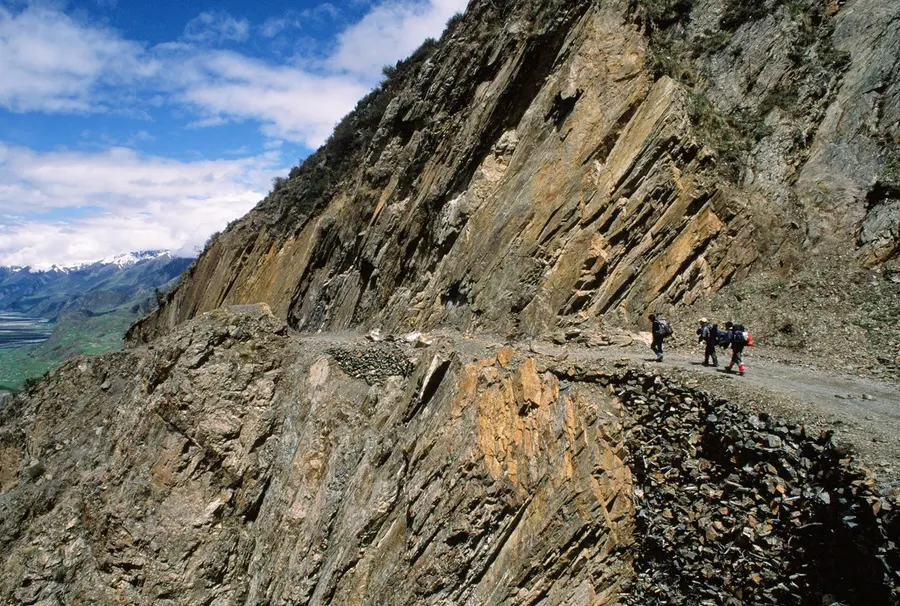
Historically by caravan trails now partly walkable — the Guizhou and Yunnan sections of the Tea Horse Road remain trekking classics. Today’s viaduct-and-tunnel expressways and high-speed rail lines routinely set world records for bridge height crossing the same gorges.
Watch & Learn
From the Archive
Photographs documenting the materials, makers, and settings behind these traditions.