Traditional Music
Guizhou Province, Southwest China
Ancient, passed down orally for centuries
Representative List
Master-Apprentice (Oral/Aural)
Oral Tradition
Grand Song of the Dong Ethnic Group
"A breathtaking polyphonic choral tradition from Guizhou — the Dong people's multi-part harmonies sung without instruments."
CIVILIZATION CONTEXT
This artifact is part of the Intangible Heritage Cluster. It connects to 9 entities across the atlas, spanning 1 region, 1 master, 0 festivals, and 0 skills.
Grand Song of the Dong Ethnic Group: A Living Heritage
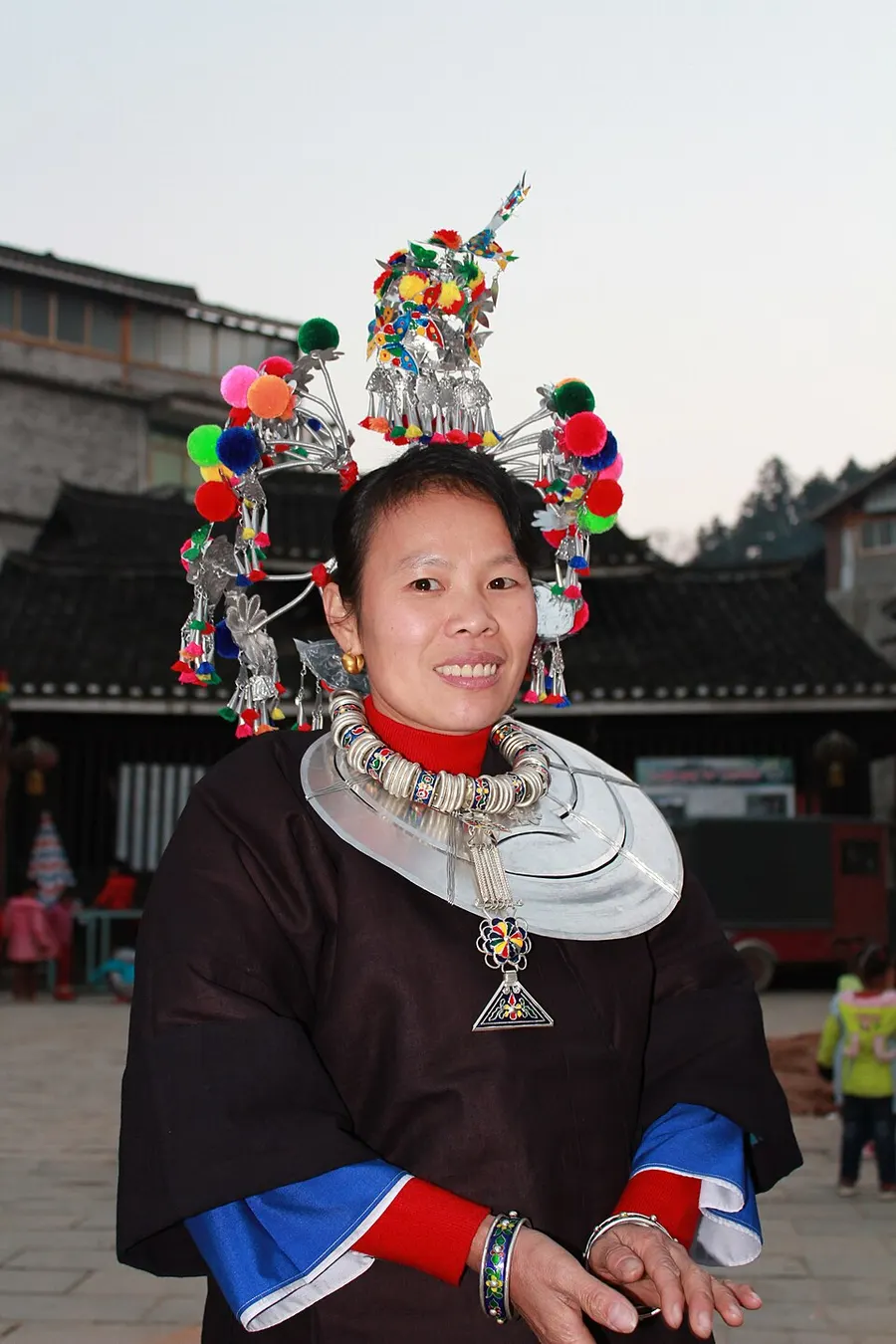
The Grand Song (kam luh) of the Dong people in Guizhou Province is a polyphonic choral tradition performed without instrumental accompaniment. Unlike most Chinese folk music which is monophonic, Dong Grand Song features multi-part harmonies with a main melody, bass drone, and ornamental counter-melodies. Sung by village choirs in communal buildings, the songs tell stories of nature, work, and love, using intricate vocal techniques.
Centuries
Years of Unbroken Lineage
0
Related Cultural Vectors
History & Development
Dong grand song is polyphonic, unaccompanied choral singing unique among China's folk traditions, practised by Dong communities in Guizhou and neighbouring provinces. Choirs of boys and girls stack three or more voice parts without a conductor, imitating cicadas, flowing water, and forest birds in pieces taught entirely by ear in drum towers.
A 1986 Paris festival debut stunned European audiences who had assumed Chinese folk song was purely monophonic, and UNESCO inscribed the Grand Song of the Dong on the Representative List in 2009. Villages still teach children in tower choirs, and the repertoire of thousands of songs carries ethics, law, and history where the Dong language had no classical script.
How It Is Made
- 01
Forming the choir
A lead singer carries the melody while the chorus sustains low drones and answers in refrains, parts assigned by age and voice within the village tower.
- 02
Voicing nature
Signature pieces demand precise imitation, so singers practise cicada buzzes and water ripples until the choir blends into a single forest texture.
- 03
Learning in the tower
Elders teach line by line after evening chores, with children repeating phrases for months before joining festival performances.
- 04
Singing the categories
Repertoires split by audience and place, from gentle children's songs to formal greeting suites exchanged between villages at spring gatherings.
Common Questions
Why is Dong polyphony unusual?
Most Chinese folk traditions sing in unison, but Dong villages developed independent voice parts, a rarity scholars link to communal tower life where whole generations sing together nightly.
What do the songs preserve?
With no classical written Dong script, choirs transmit genealogy, customary law, and agricultural lore in verse, making singers the community's living archive described in the Dong people profile.
Where can visitors hear it?
Villages in the Guizhou region guide hold tower sessions open to guests, and the annual Dong New Year gathers choirs for inter-village song duels.
Watch & Learn
Stories & Legends
Mongolian Long Song: The Grasslands Singing
historicalA melody as vast as the steppe, born among the nomads of Inner Mongolia.
Related Places
Generations Preserved
Wu Yuzhen
Wu Yuzhen is a master of the Dong Grand Song (kam luh) from Zhaoxing Village in Guizhou Province. She began singing in the village choir at age 8 and became the lead voice of her village's female choi...
Relationship Constellation
Tracing the invisible threads that connect Grand Song of the Dong Ethnic Group to the broader civilization ecosystem.
Continue the Journey
Grand Song of the Dong Ethnic Group
Traditional Music
Manas Epic
Quyi
arrow_forwardMongolian Khoomei (Throat Singing)
Traditional Music
arrow_forwardGesar Epic Tradition
Quyi
arrow_forward