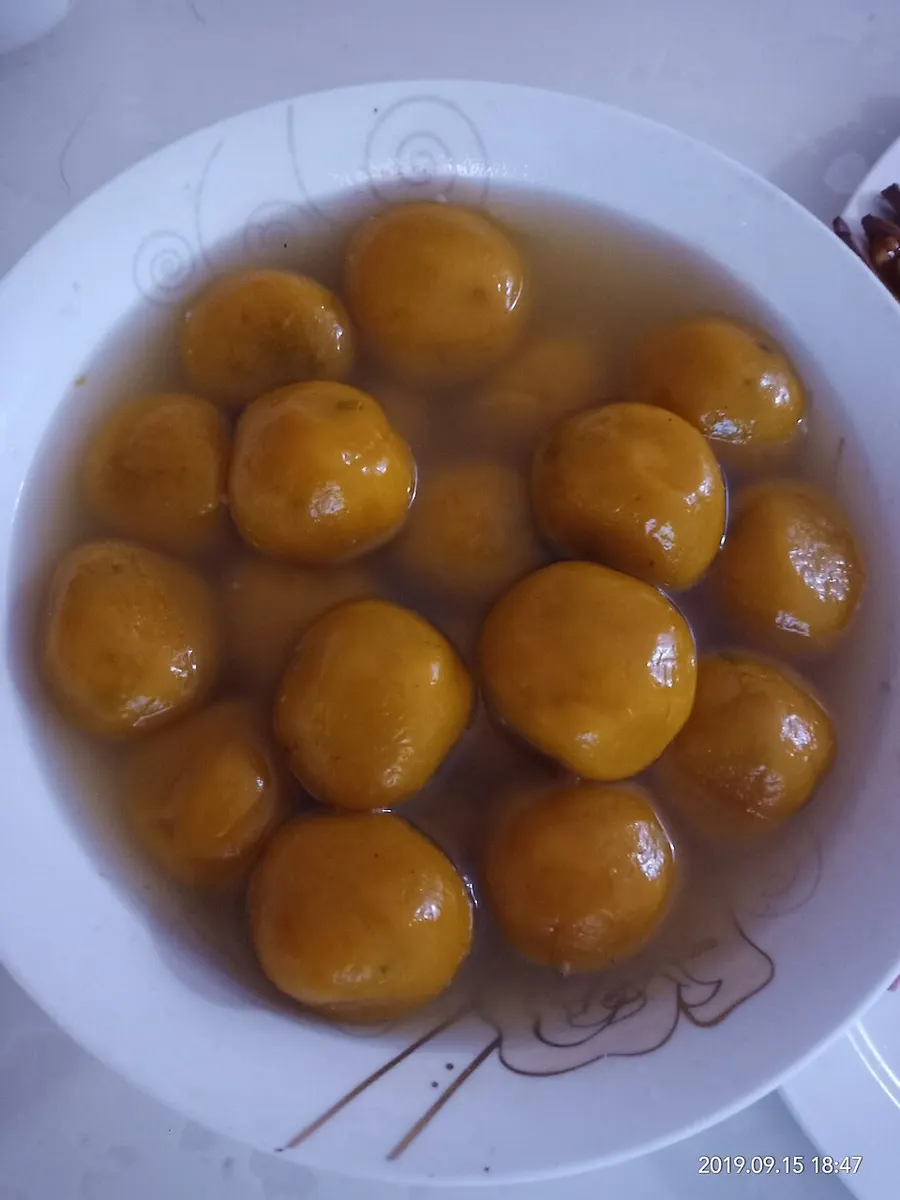
中秋节
Mid-Autumn Festival
0 Items
0 Narratives
autumn
15th day of 8th lunar month
A harvest festival celebrating family reunion under the full moon, with mooncakes, lantern displays, and moon-gazing traditions.
Across China, this festival embodies the deep connection between celestial cycles and human culture. Its rituals — passed down through countless generations — serve as a living archive of agricultural knowledge, spiritual belief, and community bonds that define Chinese identity.
Festival Profile
- Season autumn
- Lunar Calendar 15th day of 8th lunar month
- Gregorian September–October
- Duration 3 Days
- Next Occurrence Sep 25, 2026
- Themes Renewal Tradition Community
New Moon
Preparations begin
Waxing
Ritual cleansing
Full Moon
Main celebration
Waning
Closing ceremonies
The sacred practices that define Mid-Autumn Festival
Purification Rites
Cleansing of homes and bodies to welcome blessings
Ceremonial Feast
Traditional foods prepared with symbolic meaning
Public Processions
Community parades with music, dance, and lanterns
One Festival, Many Hearts
Mid-Autumn Festival is celebrated across China, with each region adding its unique interpretation while honoring the core traditions. From bustling cities to remote villages, the festival unites communities in shared remembrance and joy.
Imperial North
Bold, public, and stately. Known for grand processions and massive temple fairs.
Ancestral South
Intimate and scholarly. Emphasizing flower markets and complex clan rituals.
Regional distribution data is being curated for this festival.
“The festival is the heartbeat of our village — when the drums begin, the ancestors are with us.”
Elder Zhao Festival Custodian“These celebrations encode thousands of years of agricultural wisdom and cosmic understanding.”
Lin Wei Cultural ScholarAncient Origins
Earliest recorded observances rooted in agricultural cycles and ancestor veneration.
Imperial Codification
Rituals standardized at court; festivals became secular social events.
Regional Flourishing
Local variations emerge with specialized folk arts and regional opera.
Modern Revival
UNESCO recognition and global celebration as a symbol of cultural identity.
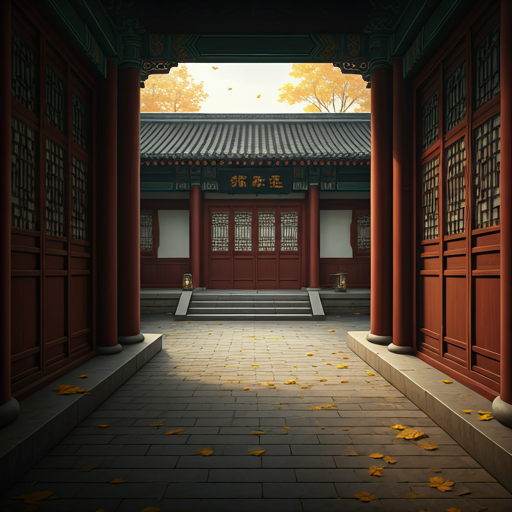
A Living Legacy
Mid-Autumn Festival is not a museum piece; it is the air we breathe, the food we share, and the stories we tell.
Explore the ArchiveHistory & Development
Mid-Autumn Festival gathers families under the eighth-month full moon, the brightest and most humid-air-gilded of the year. The term zhongqiu appears in Zhou-dynasty ritual texts, but moon-worship terraces became fashionable court culture in the Tang dynasty, and Song-dynasty night markets turned the occasion into a citywide festival with tea houses open until dawn.
The moon mythology centers on Chang'e, who drank an elixir of immortality and floated to the lunar palace, a tale already recorded in the second-century BCE Huainanzi. The festival regained statutory-holiday status in 2008 and remains the second-largest family reunion date after Lunar New Year.
Cultural Traditions
-
Sharing Mooncakes
Round pressed pastries filled with lotus paste, seed and salted yolk, or five nuts mirror the full moon; cutting and sharing one cake per family member expresses completeness.
-
Moon Appreciation
Courtyards set out tables of osmanthus wine, pomelos, and taro while elders point out the rabbit and cassia shadows in the lunar surface.
-
Lanterns in the South
Hong Kong and coastal Fujian light candle-lit paper lanterns and float them on waterways, a custom that flourished alongside Tang-era moon-viewing parties.
Common Questions
Why do mooncakes have patterns stamped on top?
The carved wooden molds press auspicious characters and florals into the pastry, and fine antique molds are collected as folk art in their own right.
Is Mid-Autumn only celebrated in China?
Vietnam's Tet Trung Thu, Korea's Chuseok, and overseas Chinatown lantern nights share the same eighth-month full moon with local variations.
When did it become a public holiday again?
China restored the statutory holiday in 2008, joining Qingming and Duanwu in the same reform package.