The region south of the Five Ridges, encompassing Guangdong, Guangxi, Hainan, and Hong Kong, known for Cantonese opera, dim sum cuisine, and maritime trade heritage.
5Heritage Traditions
0Living Masters
0Major Festivals
4Imperial Dynasties
expand_more
menu_bookIdentity & Origin
The 岭南 Civilization
The region south of the Five Ridges, encompassing Guangdong, Guangxi, Hainan, and Hong Kong, known for Cantonese opera, dim sum cuisine, and maritime trade heritage.
For millennia, this region has been a crucible of Chinese civilization — shaping the arts, traditions, and cultural expressions that define the heritage of the nation. Its landscape, from mountain ranges to river valleys, has fostered distinct local practices that continue to thrive in the modern era through the dedication of master artisans, performers, and cultural custodians.
genetics
Region DNA
Key Traditions
Folk MusicOperaEmbroideryCeramicsTea CeremonyCalligraphy
Historical Dynasties
Tang Dynasty
Song Dynasty
Ming Dynasty
Qing Dynasty
Representative Crafts
Silk Weaving
Jade Carving
Bamboo Craft
Lacquerware
starsHeritage Constellation
Lingnan
music_note
Music
theater_comedy
Drama
handyman
Crafts
sports_martial_arts
Martial Arts
celebration
Festivals
timelineCivilization Timeline
The Historical Arc of Lingnan
Ancient Foundations
Pre-1000 BCE
Classical Formation
1000-221 BCE
Imperial Golden Age
221 BCE-960 CE
Late Imperial
960-1912 CE
Modern Preservation
1912-Present
self_improvementLiving Traditions
Heritage practices that continue to shape cultural life in Lingnan
The rhythm of life in Lingnan follows a seasonal wheel. Traditions are rituals performed in harmony with the arrival of spring rains or the first autumn frost. Each season brings a specific sensory palette — the scent of new tea, the sight of lotuses in classical ponds, the sound of bells in mountain temples.
01
Vernal Equinox
Harvesting the most prized Pre-Qingming tea buds.
02
Winter Solstice
Traditional family gatherings centered around rice wine and poetry.
mapCultural Geography
Lingnan Heartland
Cultural Core
23.10°N, 113.30°E
Geographic Center
Guangzhou
广州
Foshan
佛山
Hainan Province
海南省
"A landscape where mountains and rivers have shaped the cultural identity of a civilization."
Lingnan means "south of the ranges" — the five mountain barriers that historically separated Guangdong and Guangxi from the imperial north and gave the region permission to develop its own accent, diet, and cosmopolitan instincts. Guangzhou (Canton) traded with the Indian Ocean almost continuously since the Han dynasty, hosted Arab merchants by the Tang, and monopolized Western sea trade through the Thirteen Factories era of the 1700s, making it China’s oldest window on the ocean.
Distance from courtly orthodoxy shaped durable local arts. Cantonese opera absorbed western instruments and vernacular slang, maturing into the form UNESCO inscribed as Intangible Cultural Heritage in 2009; tea-house culture elaborated dim sum into a cuisine of hundreds of small dishes; and overseas remittances from emigrants built the fortified diaolou towers of Kaiping, listed by UNESCO in 2007 as monuments of returned fortune. Arcade-fronted qilou streets from Haikou to Guangzhou still shelter pedestrians from subtropical rain, while herbal "cooling tea" recipes answer the climate that shaped the region’s medicine and cooking alike.
handyman
Signature Traditions of Lingnan
01
Cantonese opera
Sung in Yue dialect with flexible melodic borrowing, staged in gilded theatres and village shrines alike; Hong Kong and Guangzhou troupes keep a repertory of hundreds of titles alive.
02
Dim sum social hours
Morning tea turns restaurants into parlours where carts circulate har gow, siu mai, and rice rolls; conversation matters more than speed.
03
Arcades and watchtowers
Qilou shops-with-verandas line commercial streets, while Kaiping’s 1,800-odd concrete diaolou mixed defensive gun loops with Renaissance facades funded from abroad.
04
Cooling herbal teas
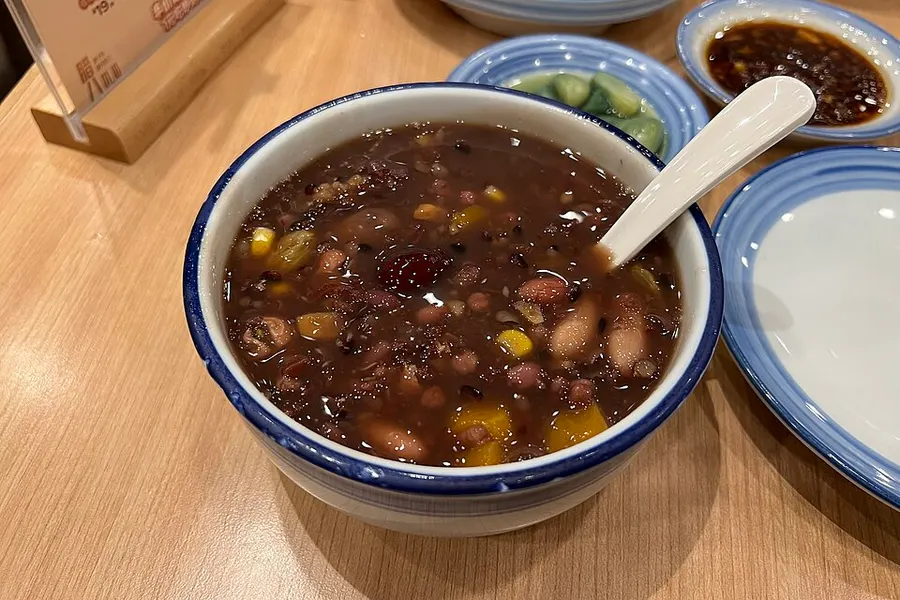
Dozens of bitter decoctions classified by "heat" and "dampness" form a household pharmacopoeia recognized on China’s national intangible heritage list.
contact_support
Common Questions
What makes Lingnan culture different from northern China?add
Climate and distance. Subtropical heat produced lighter cooking, herbal teas, and veranda architecture, while the Five Ridges buffered imperial fashion, letting dialect, opera, and folk religion evolve independently. Seaborne trade added Southeast Asian and European ingredients centuries before they reached inland provinces.
Where can you hear authentic Cantonese opera today?add
Guangzhou’s Cantonese Opera Art Museum performs in restored courtyards, Hong Kong’s Tea House Theatre runs daily recitals, and village festival stages across the Pearl River Delta book full-length Yueju productions during deity birthdays.
Why did Lingnan emigrants shape overseas Chinatowns?add
Poverty and the Taiping upheavals pushed Cantonese speakers onto ships from the 1850s onward; their food, opera, and clan associations became the template for Chinatowns worldwide. Remittances back home financed the Kaiping towers now listed by UNESCO.
smart_display
Watch & Learn
Oral Tradition
Stories & Legends
Narratives from the atlas graph that share origins, practitioners, or settings with this topic.