Southeast Coast — cultural landscape
Cultural Region

Southeast Coast

东南沿海

The coastal provinces of Fujian and Zhejiang, the birthplace of Mazu worship, Nanyin music, and the maritime Silk Road departure ports.

10 Heritage Traditions
0 Living Masters
0 Major Festivals
4 Imperial Dynasties
Identity & Origin

The 东南沿海 Civilization

The coastal provinces of Fujian and Zhejiang, the birthplace of Mazu worship, Nanyin music, and the maritime Silk Road departure ports.

For millennia, this region has been a crucible of Chinese civilization — shaping the arts, traditions, and cultural expressions that define the heritage of the nation. Its landscape, from mountain ranges to river valleys, has fostered distinct local practices that continue to thrive in the modern era through the dedication of master artisans, performers, and cultural custodians.

Region DNA

Key Traditions
Folk MusicOperaEmbroideryCeramicsTea CeremonyCalligraphy
Historical Dynasties
Tang Dynasty
Song Dynasty
Ming Dynasty
Qing Dynasty
Representative Crafts
  • Silk Weaving
  • Jade Carving
  • Bamboo Craft
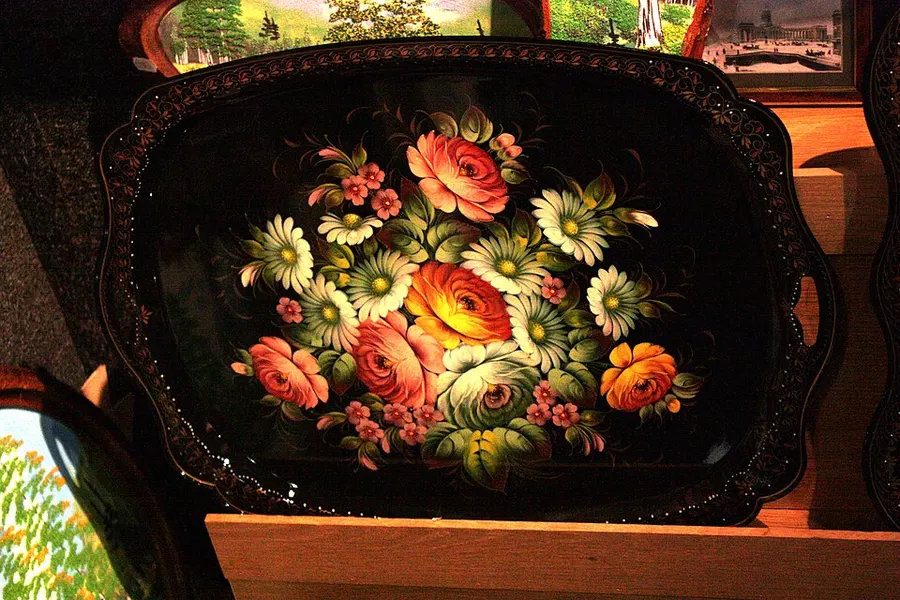
  • Lacquerware
Heritage Constellation
Southeast Coast
Music
Drama
Crafts
Martial Arts
Festivals
Civilization Timeline

The Historical Arc of Southeast Coast

Ancient Foundations

Pre-1000 BCE

Classical Formation

1000-221 BCE

Imperial Golden Age

221 BCE-960 CE

Late Imperial

960-1912 CE

Modern Preservation

1912-Present

Living Traditions

Heritage practices that continue to shape cultural life in Southeast Coast

Lineage & Custodians

Masters of Southeast Coast

View Archive

No master inheritors recorded for this region. Browse all masters

The Ritual Cycle

Seasonal Life in 东南沿海

The rhythm of life in Southeast Coast follows a seasonal wheel. Traditions are rituals performed in harmony with the arrival of spring rains or the first autumn frost. Each season brings a specific sensory palette — the scent of new tea, the sight of lotuses in classical ponds, the sound of bells in mountain temples.

01

Vernal Equinox

Harvesting the most prized Pre-Qingming tea buds.

02

Winter Solstice

Traditional family gatherings centered around rice wine and poetry.

Cultural Geography

Southeast Coast Heartland

Cultural Core

26.00°N, 119.00°E

Geographic Center

Fujian Province

福建省

Quanzhou

泉州

"A landscape where mountains and rivers have shaped the cultural identity of a civilization."

2 key locations

History & Development

China’s southeast coast faces the open Pacific through a broken shoreline of harbours from Wenzhou to the Pearl River delta, and it chose the sea early. Quanzhou was likely the largest port on Earth around 1300, hosting Arab, Persian, and Tamil merchant quarters under Yuan administration; Song officials staffed a Maritime Trade Superintendency there by 1087, taxing cargoes that ranged from Southeast Asian spices to East African ivory. Fujianese shipwrights answered demand with watertight-bulkhead vessels whose compartments let hulls survive punctures — a technique UNESCO listed in 2010 as urgently endangered.

Sea commerce carried gods as well as goods. Mazu, a tenth-century Meizhou Island shaman-princess, was promoted by successive dynasties into the Empress of Heaven protecting mariners; her cult spread with Fujianese settlement down the coast and overseas, earning UNESCO inscription in 2009 with tens of millions of devotees today. Communal architecture adapted to typhoon and piracy: Hakka clans built ringed tulou fortresses in Yongding and Nanjing counties (UNESCO-listed in 2008), while ancestral halls and overseas remittance houses line every harbour town, marking emigration routes that made Hokkien and Cantonese lingua francas of Southeast Asian commerce.

Living With the Sea

  1. 01

    Port-city cosmopolitanism

    Quanzhou’s mosques, Manichean shrine, and Christian steles document seven centuries of resident foreign merchant communities.

  2. 02

    Bulkhead shipbuilding

    Three-master fishing and trading junks partition hulls into sealed cedar compartments, repaired section by section without dry-docking.

  3. 03

    Mazu pilgrimage

    Meizhou’s ancestral temple receives incense-boat delegations from Taiwan and Southeast Asia each spring; processions recreate escorting the goddess between branch temples.

  4. 04

    Tulou clan housing

    Rammed-earth rings up to four storeys house entire lineages around central ancestor halls, walls a metre thick against banditry and storm.

Common Questions

Was Quanzhou really the world’s biggest port?

Around the year 1300 it contended for the title: Marco Polo and Ibn Battuta both ranked it alongside or above Alexandria, and excavations recovered shipwreck cargoes of fragrant timber and porcelains stacked for transshipment. Its UNESCO World Heritage serial listing in 2021 formalised ten related sites.

Who is Mazu and why worship a historical person?

She was Lin Mo, a Meizhou Island healer said to have rescued sailors supernaturally before dying unmarried in 987. Courts canonised promotions culminating in "Tianfei" then "Tianhou," and coastal crews still carry her tablets aboard — the belief system detailed in our Mazu entry.

Can tourists visit a working tulou?

Yes — Chengqi Lou in Yongding houses dozens of families who charge modest entry, and Huaiyuan Lou in Nanjing county operates as a homestay. Visit midweek mornings to see kitchens firing before tour buses arrive from Xiamen.

Watch & Learn

Oral Tradition

Stories & Legends

Narratives from the atlas graph that share origins, practitioners, or settings with this topic.

Lin Moniang was born in 960 CE on Meizhou Island, Fujian. From childhood she showed extraordinary powers — she could predict weather, heal the sick, and walk on water. She died young while trying to rescue her father and brother at sea. After her death, she appeared to countless sailors in storms, guiding them to safety. She was deified as Mazu, the Goddess of the Sea, and is worshipped across coastal East Asia.
Visual Record

From the Archive

Photographs documenting the materials, makers, and settings behind these traditions.

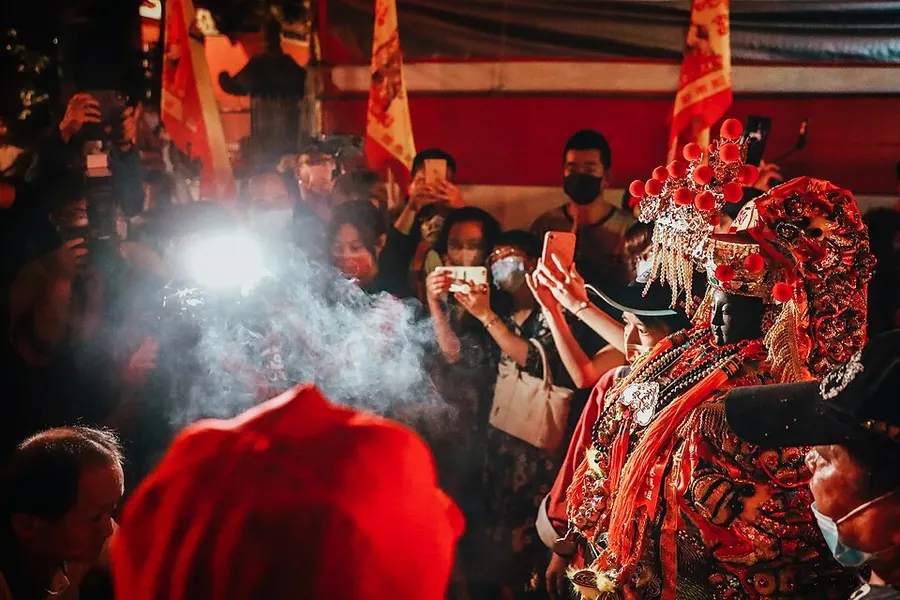
Mazu temple ceremony with pilgrims and incense smoke
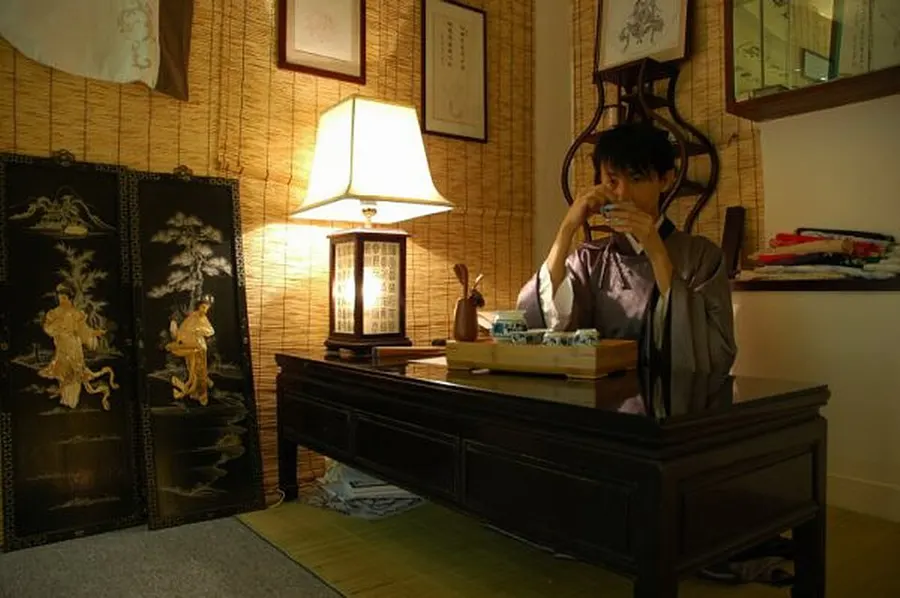
A Chinese tea ceremony being performed with gongfu style tea set
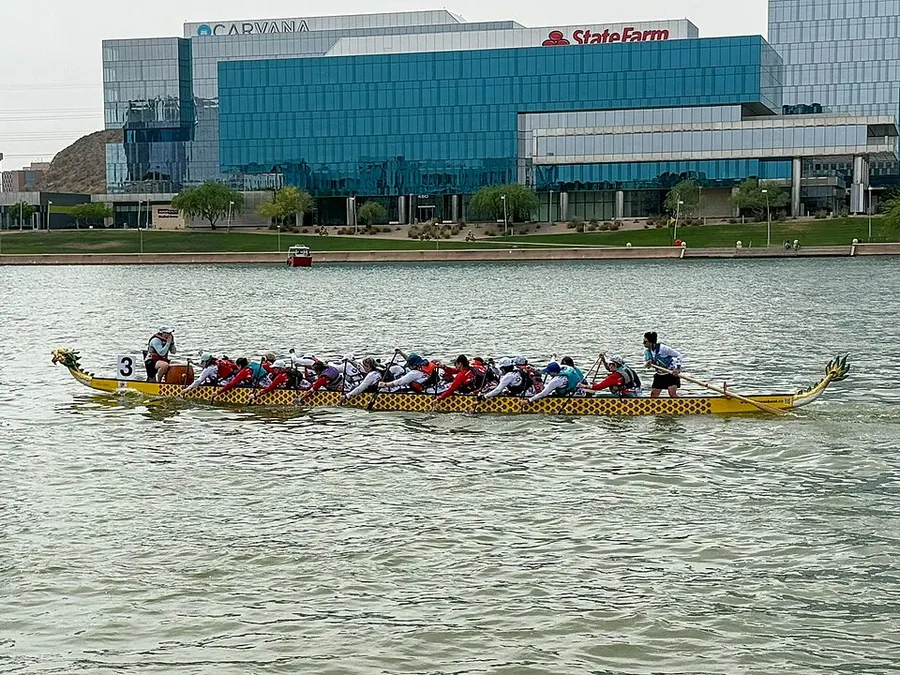
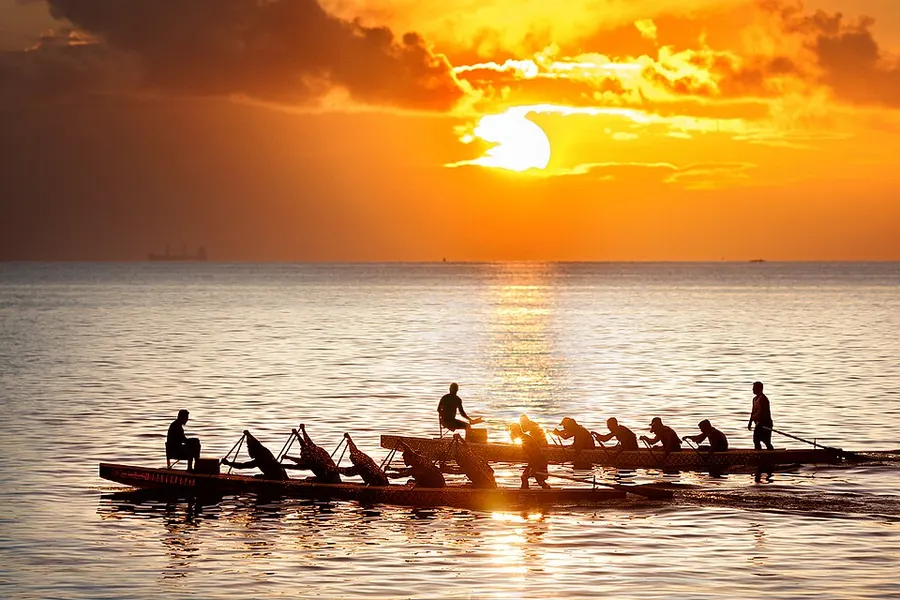
Dragon boat race with paddlers in synchronized motion
Carved red lacquerware with traditional motifs