泉州
Quanzhou
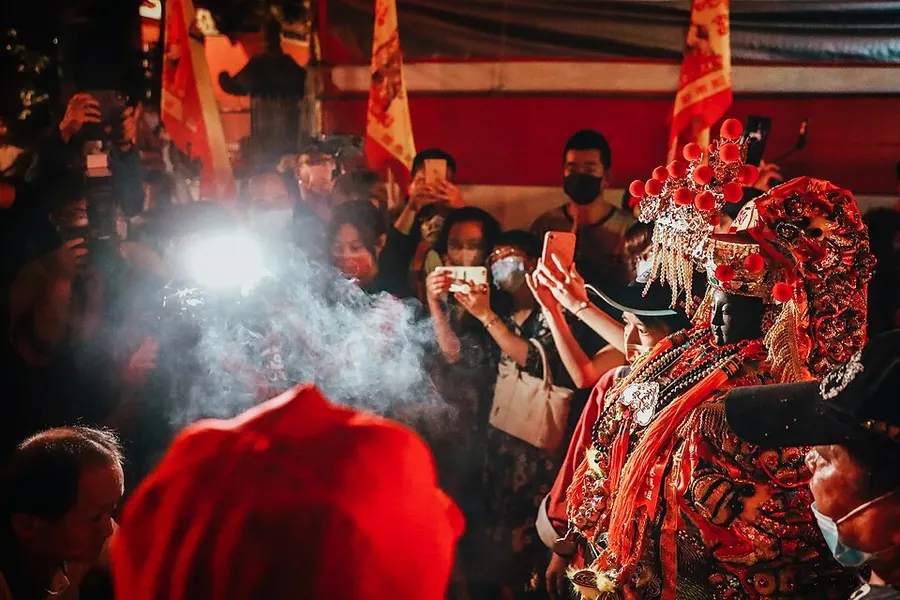
An ancient port city and UNESCO World Heritage site, Quanzhou is the spiritual heart of Mazu belief and a center of Nanyin music preservation.
As a vital node in China's cultural geography, this location has nurtured artistic traditions that have endured through dynastic changes, social transformations, and the challenges of modernity. The continuity of these practices speaks to the deep relationship between place and cultural identity.
Today, Quanzhou continues to be a living center of heritage — where master artisans train the next generation, festivals mark the seasons, and ancient crafts adapt to contemporary life.
Civilization Snapshot
Where heritage lives — the geography of cultural practice
Interact with the nodes of cultural heritage across the region's ancient grid.
Heritage District
The cultural heart of Quanzhou
Craft Village
Traditional workshops and living heritage
The heritage collection of Quanzhou
A Lineage of Eras
Keepers of the Flame
Wang Yuanqi
“The craft is not just technique — it is the memory of our ancestors speaking through our hands.”
READ THEIR STORYThe Cultural Constellation of Quanzhou
The heritage of Quanzhou does not exist in isolation. It is the core of a sophisticated network of exchange, where techniques, motifs, and melodies traveled to shape the identity of an entire civilization.
- Beijing Connected Heritage
- Nanjing Connected Heritage
- Suzhou Connected Heritage
The Rhythms of Time
Spring Festival
2 seasonal observances
Summer Festival
2 seasonal observances
Autumn Festival
2 seasonal observances
Winter Festival
2 seasonal observances
Nearby heritage destinations
Beijing
北京 · The capital of China, Beijing has been the political and cul...
Nanjing
南京 · An ancient capital of six dynasties, Nanjing is the birthpla...
Suzhou
苏州 · Famous for its classical gardens and silk industry, Suzhou i...
Chenjiagou
陈家沟 · A small village in Henan Province, Chenjiagou is the birthpl...
History & Development
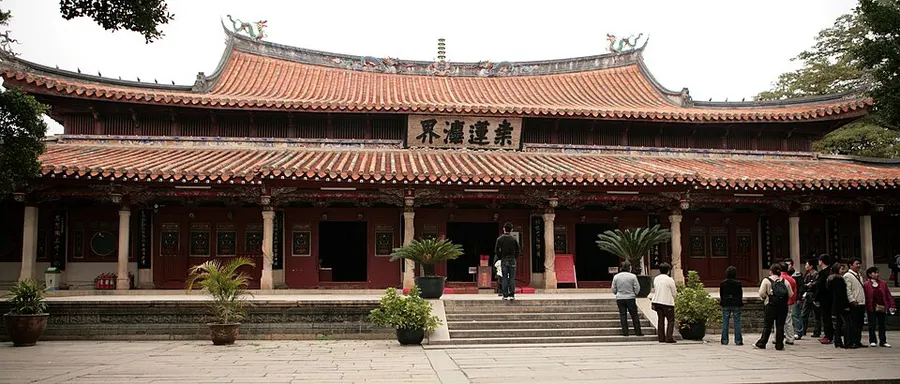
Quanzhou — Marco Polo's Zayton — ranked as the greatest harbour of the Yuan world, dispatching junks that Polo himself escorted toward Persia in 1291. Twenty-two monuments from that era, from the 686 Kaiyuan temple with its twin stone pagodas to Qingjing Mosque, composed the serial listing UNESCO inscribed in 2021 as "Quanzhou: Emporium of the World in Song-Yuan China."
The port's sound survived ashore. Nanyin, sung to dongxiao flute and held pipa, preserves Tang-Song modes so faithfully that UNESCO listed it in 2009, and marionette troupes manipulate thirty-two strings per puppet in guild theatres that once entertained merchant crews.
Cultural Traditions
- 01
Nanyin Clubs
Amateur societies meet weekly to sing Tang-mode ballads.
- 02
Marionette Craft
Nanyin shares billboards with string-puppet drama of astonishing precision.
- 03
Harbor Monuments
Stone pagodas and mosques mark a medieval United Nations of faiths.
- 04
Xunpu Headdress
Oyster-village women crown themselves with seasonal flower garlands.
Common Questions
Why is Quanzhou a UNESCO site?
Its 2021 serial listing binds twenty-two Song-Yuan port monuments into one narrative of medieval global trade.
What music was born here?
Nanyin ballads, UNESCO-listed in 2009, preserve China's oldest notated song modes.
What did Marco Polo report?
He sailed from Zayton escorting a princess to Persia in 1291, calling it one of the world's two greatest ports.
Watch & Learn
From the Archive
Photographs documenting the materials, makers, and settings behind these traditions.