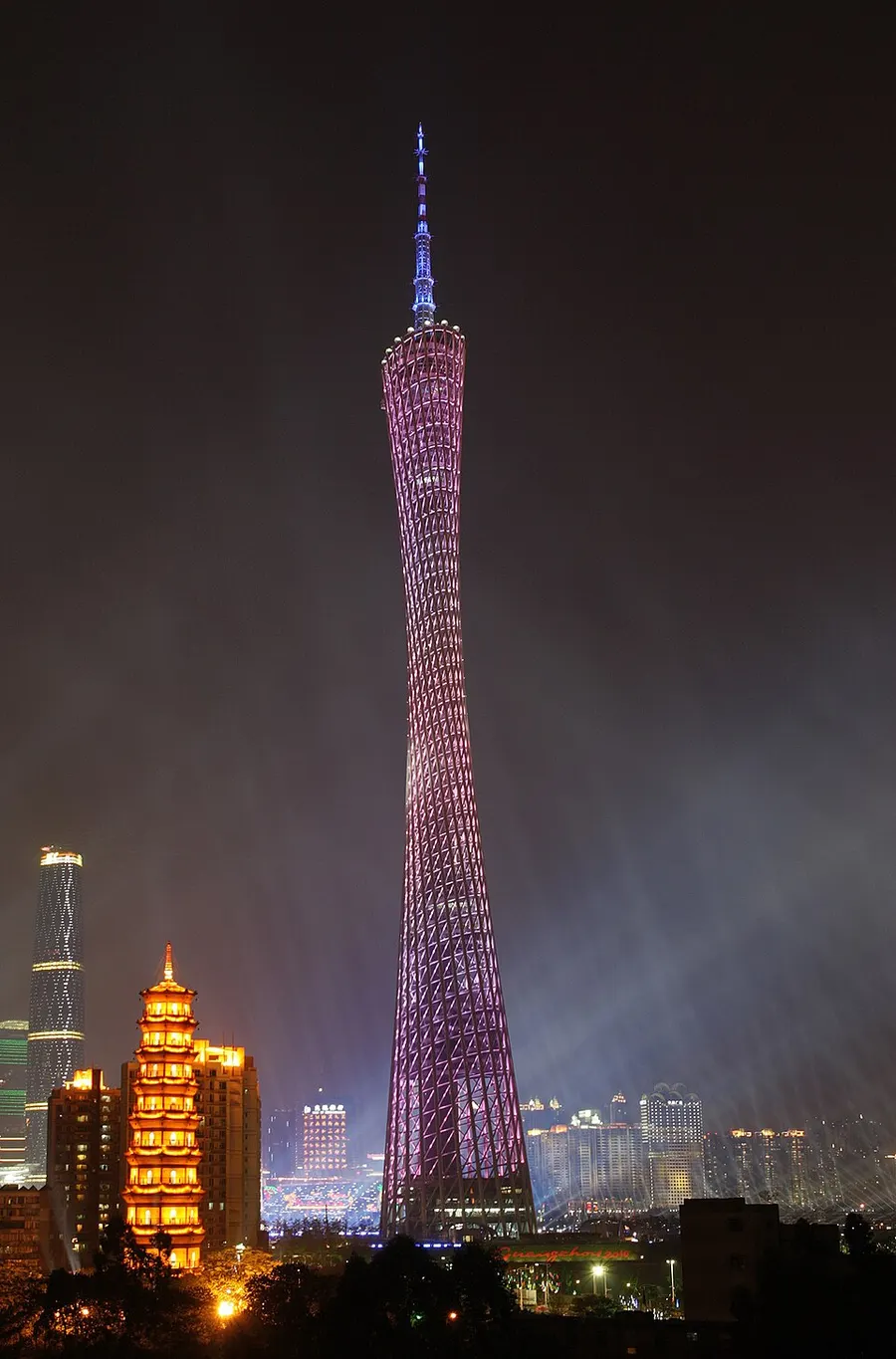
广州
Guangzhou
A major port city and cultural center of the Cantonese region, known for Cantonese opera, lion dance, dim sum culture, and traditional herbal medicine.
As a vital node in China's cultural geography, this location has nurtured artistic traditions that have endured through dynastic changes, social transformations, and the challenges of modernity. The continuity of these practices speaks to the deep relationship between place and cultural identity.
Today, Guangzhou continues to be a living center of heritage — where master artisans train the next generation, festivals mark the seasons, and ancient crafts adapt to contemporary life.
Civilization Snapshot
Where heritage lives — the geography of cultural practice
Interact with the nodes of cultural heritage across the region's ancient grid.
Heritage District
The cultural heart of Guangzhou
Craft Village
Traditional workshops and living heritage
The heritage collection of Guangzhou
A Lineage of Eras
Keepers of the Flame
Master Artisan
“The craft is not just technique — it is the memory of our ancestors speaking through our hands.”
EXPLORE MASTERSMaster Artisan
“The craft is not just technique — it is the memory of our ancestors speaking through our hands.”
EXPLORE MASTERSThe Cultural Constellation of Guangzhou
The heritage of Guangzhou does not exist in isolation. It is the core of a sophisticated network of exchange, where techniques, motifs, and melodies traveled to shape the identity of an entire civilization.
- Beijing Connected Heritage
- Nanjing Connected Heritage
- Suzhou Connected Heritage
The Rhythms of Time
Spring Festival
2 seasonal observances
Summer Festival
2 seasonal observances
Autumn Festival
2 seasonal observances
Winter Festival
2 seasonal observances
Nearby heritage destinations
Beijing
北京 · The capital of China, Beijing has been the political and cul...
Nanjing
南京 · An ancient capital of six dynasties, Nanjing is the birthpla...
Suzhou
苏州 · Famous for its classical gardens and silk industry, Suzhou i...
Chenjiagou
陈家沟 · A small village in Henan Province, Chenjiagou is the birthpl...
History & Development
Canton traces 2,200 years to the Qin-era Panyu fortress of 214 BCE, but its world role crystallized in 1757 when the Qing restricted all European sea trade to this single port. Thirteen trading hongs managed the monopoly until 1842, funnelling tea, silk, and porcelain through warehouses that gave us words like "comprador."
The port fed a distinctive urban culture. Cantonese opera — UNESCO-listed jointly with Hong Kong and Macau in 2009 — thrives alongside morning tea rituals where "one pot, two dishes" of dim sum structure business and family life alike, all served beneath qilou arcade colonnades built against subtropical rain.
Cultural Traditions
- 01
Morning Tea
Yum cha carts deliver har gow and siu mai from dawn.
- 02
Red Boat Troupes
Cantonese opera companies once toured the delta by junk.
- 03
Qilou Arcades
Upper floors shelter shopfronts from sun and monsoon alike.
- 04
Export Art
Painted fans and enamels made for Western markets survive in museum collections.
Common Questions
Why was Canton the only open port?
From 1757 the Canton System confined Western trade to its Thirteen Factories until 1842.
What is Cantonese opera's status?
Yueju opera entered UNESCO's representative list in 2009 as a joint regional nomination.
What does yum cha mean?
"Drinking tea" — the morning ritual pairing dim sum with pu'er or chrysanthemum.
Watch & Learn
From the Archive
Photographs documenting the materials, makers, and settings behind these traditions.