Bashu
巴蜀
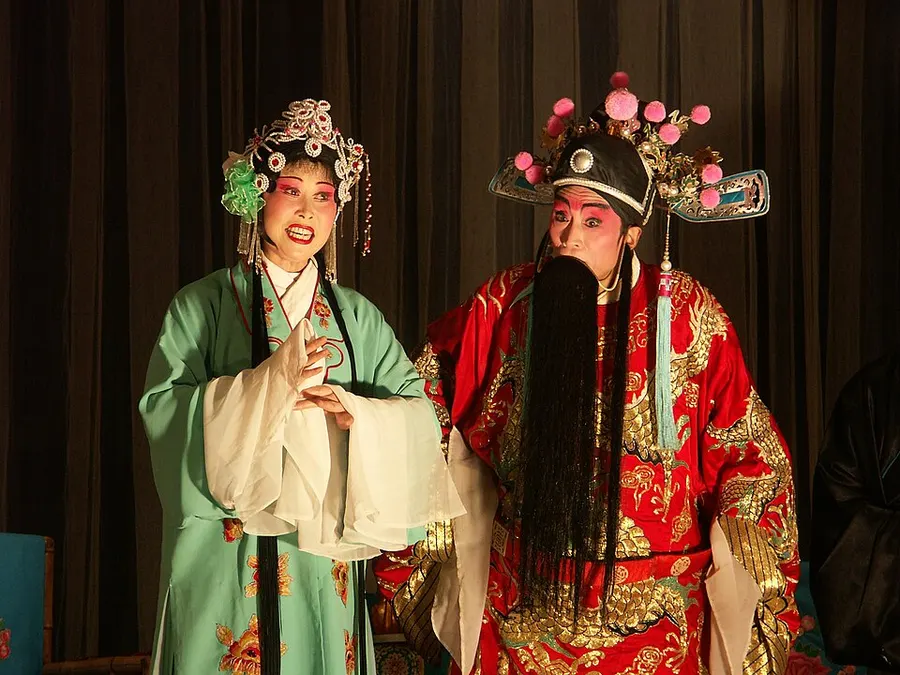
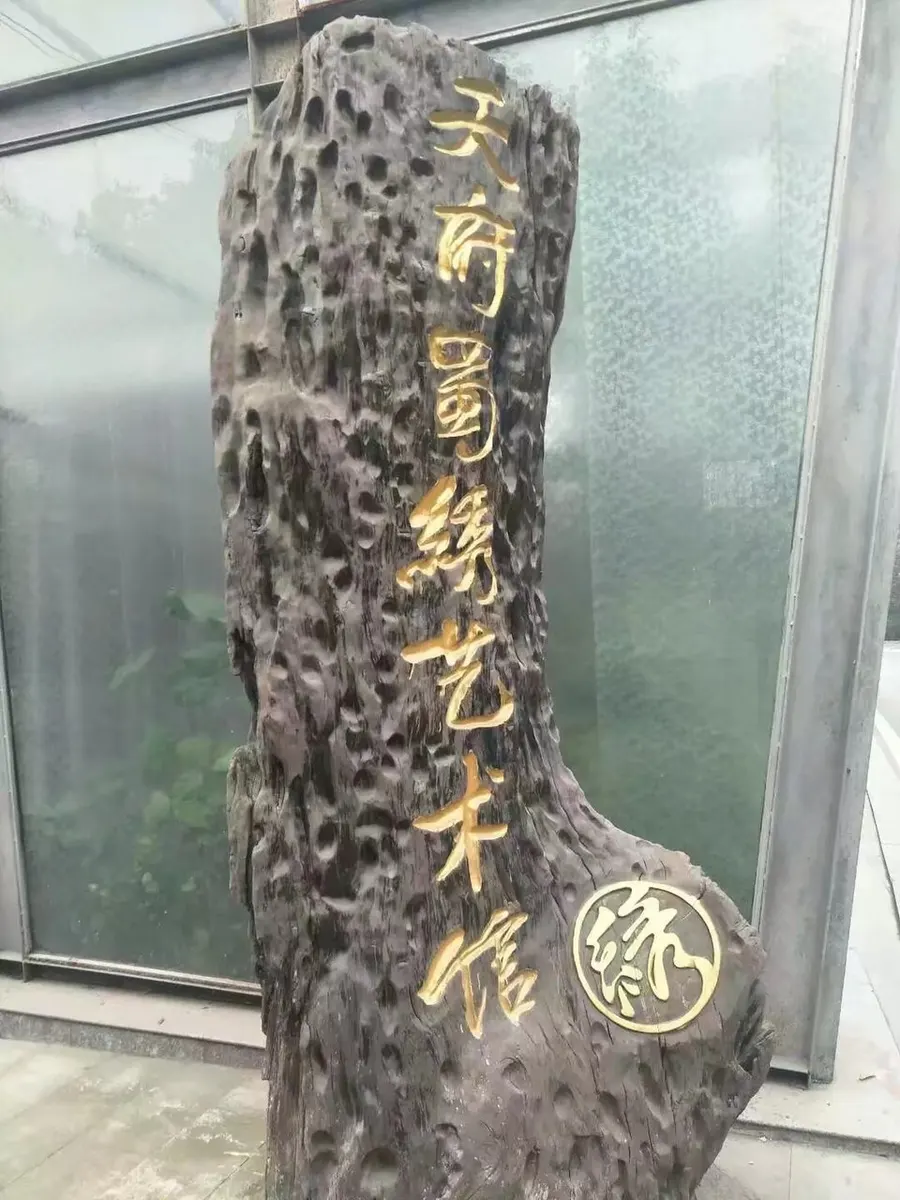
The Sichuan Basin region with a distinct identity, known for Shu embroidery, Sichuan opera, spicy cuisine, and the Dujiangyan irrigation system.
The 巴蜀 Civilization
The Sichuan Basin region with a distinct identity, known for Shu embroidery, Sichuan opera, spicy cuisine, and the Dujiangyan irrigation system.
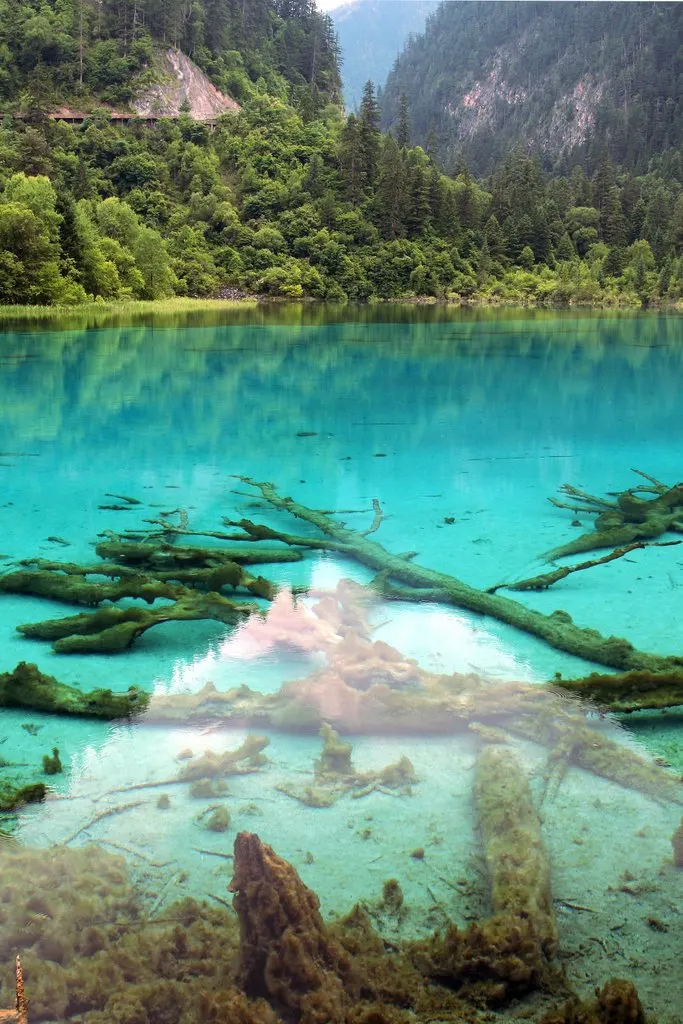
For millennia, this region has been a crucible of Chinese civilization — shaping the arts, traditions, and cultural expressions that define the heritage of the nation. Its landscape, from mountain ranges to river valleys, has fostered distinct local practices that continue to thrive in the modern era through the dedication of master artisans, performers, and cultural custodians.
Region DNA
- Silk Weaving
- Jade Carving
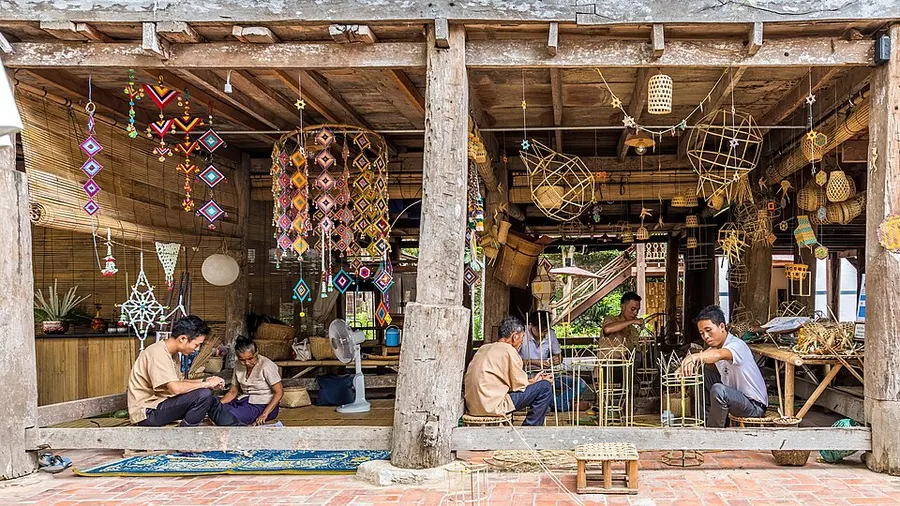
- Bamboo Craft
- Lacquerware
The Historical Arc of Bashu
Pre-1000 BCE
1000-221 BCE
221 BCE-960 CE
960-1912 CE
1912-Present
Heritage practices that continue to shape cultural life in Bashu
Masters of Bashu
View ArchiveNo master inheritors recorded for this region. Browse all masters
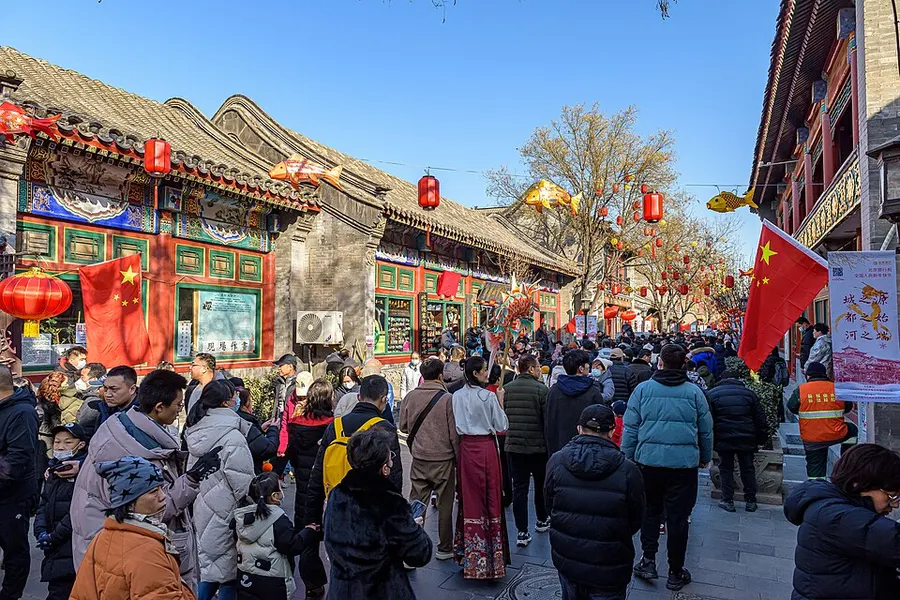

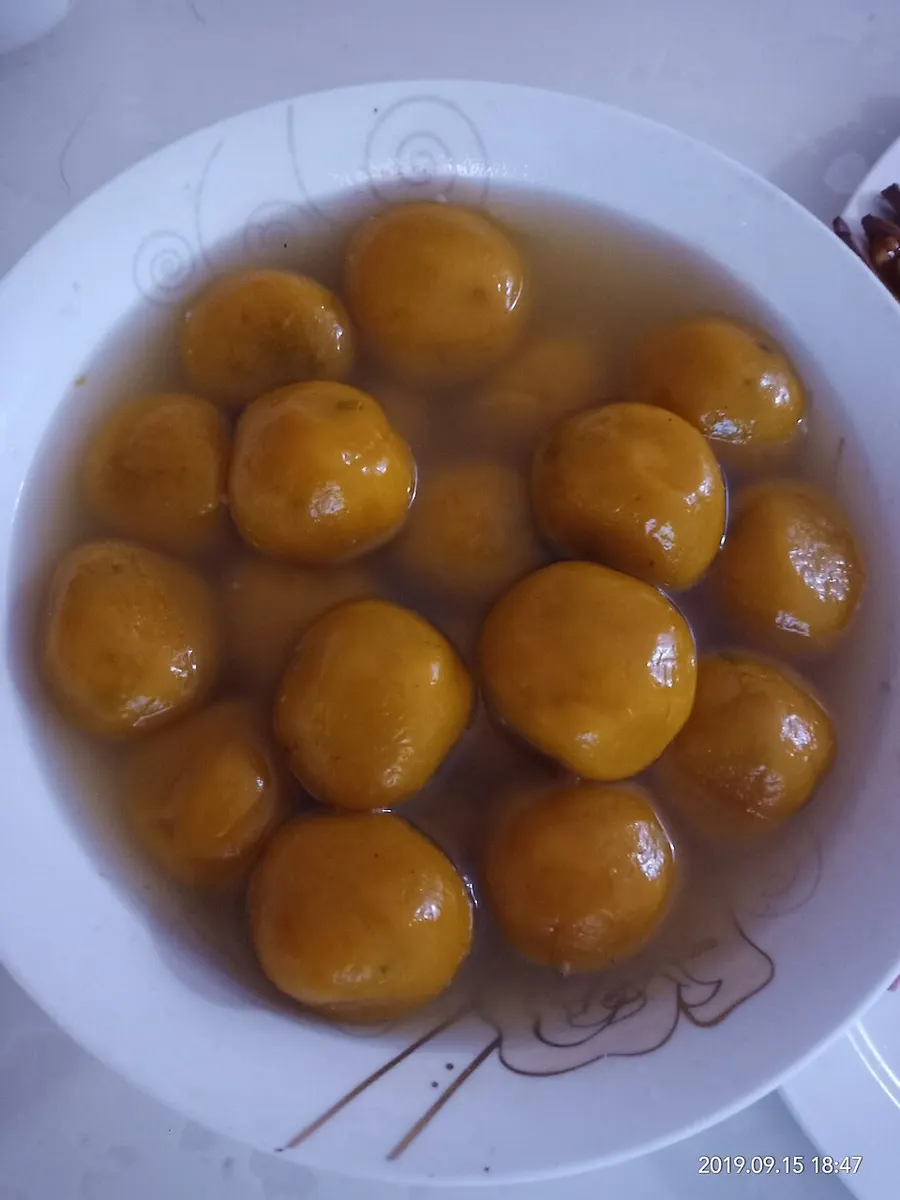
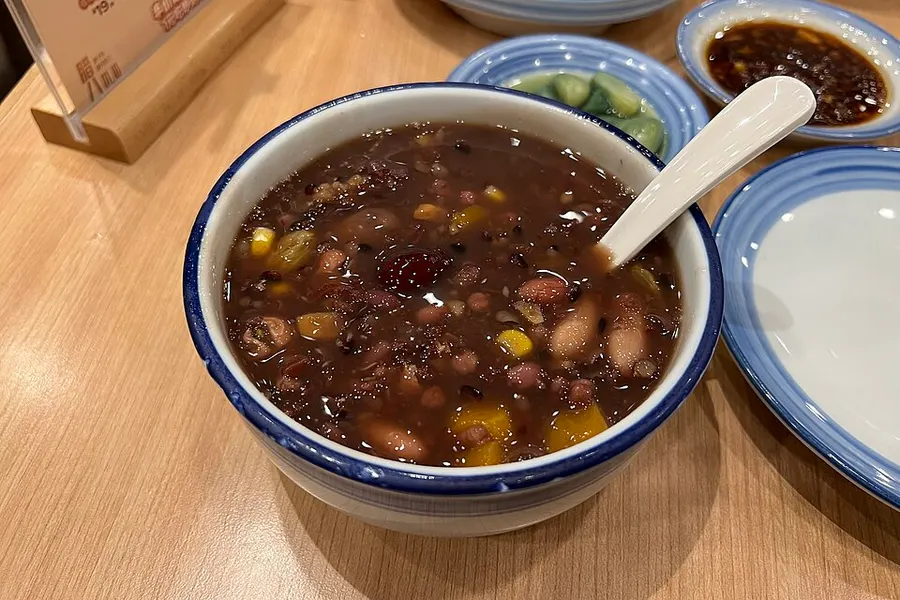
Seasonal Life in 巴蜀
The rhythm of life in Bashu follows a seasonal wheel. Traditions are rituals performed in harmony with the arrival of spring rains or the first autumn frost. Each season brings a specific sensory palette — the scent of new tea, the sight of lotuses in classical ponds, the sound of bells in mountain temples.
Vernal Equinox
Harvesting the most prized Pre-Qingming tea buds.
Winter Solstice
Traditional family gatherings centered around rice wine and poetry.
Bashu Heartland
Cultural Core
30.60°N, 104.10°E
Geographic Center
Chengdu
成都
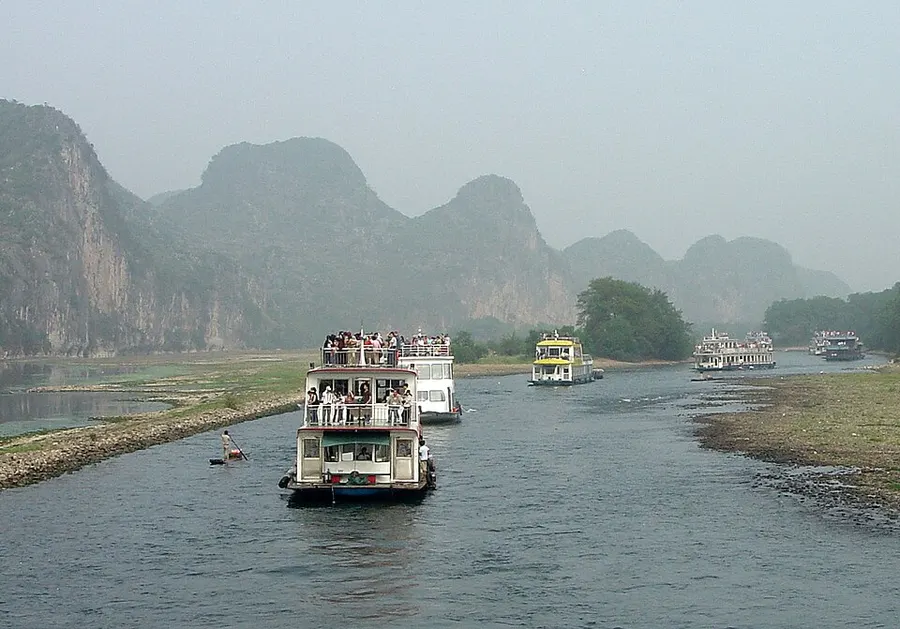
"A landscape where mountains and rivers have shaped the cultural identity of a civilization."
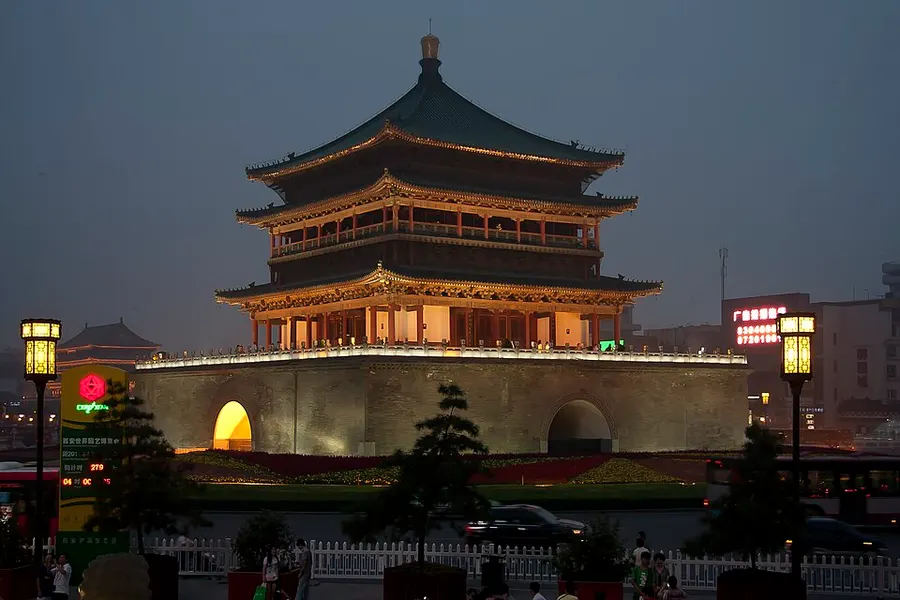
Connected Regions
History & Development
Bashu names the Sichuan Basin ringed by mountains so sheer that Li Bai famously called the road to it "harder than climbing heaven." Isolation bred originality: Sanxingdui’s sacrificial pits, unearthed by brickyard workers in 1986 and dated around 1200 BCE, contained two-metre bronze masks and gold sceptres unlike anything in the Yellow River canon, proving an independent Bronze Age kingdom flourished here contemporaneously with the Shang.
Engineering then domesticated the basin. Li Bing’s Dujiangyan weir, cut into the Min River about 256 BCE without any dam, still irrigates roughly 530,000 hectares and entered the UNESCO list in 2000; dependable water turned Chengdu into the "Land of Abundance." Local luxury trades followed — Shu brocade financed Han-era administration, and Shu embroidery remains a national-level craft today. The basin’s love of spectacle survives most visibly in Sichuan opera, whose face-changing conjuring has no parallel elsewhere in Chinese theatre.
What Makes Bashu Distinct
- 01
Dujiangyan water engineering
A fish-mouth levee, flying-sand spillway, and carved bottle-neck channel regulate irrigation by terrain alone; the system has run continuously for 2,280 years.
- 02
Brocade and embroidery economy
Chengdu’s Brocade City title dates to the Han dynasty, when Shu textiles were a named line item in imperial accounts and traded deep into Central Asia.
- 03
Face-changing theatre
Sichuan opera’s bianlian swaps painted silk masks in a blink using guarded family techniques, paired with fire-spitting and acrobatic role types.
- 04
Teahouse public life
Bamboo chairs, covered bowls, and ear-cleaning vendors make Chengdu teahouses a civic institution where opera excerpts, chess, and gossip share one courtyard.
Common Questions
Who were the ancient people of Sanxingdui?
They built a bronze-age kingdom in the upper Yangtze sphere around 1200 BCE, worshipping with monumental masks and trees cast in bronze. The 1986 discovery of two sacrificial pits at nearby Guanghan forced historians to accept Sichuan as a co-origin point of Chinese bronze civilization rather than a peripheral colony.
How does Dujiangyan work without a dam?
Li Bing divided the Min River with a fish-shaped levee so silt-laden floodwater spills through a side channel while clear water enters an artificially cut gorge feeding the plain. Gravity does the regulation; annual dredging rituals ("deepen the channel, repair the dike low") keep it honest after 2,000 years.
What food defines the Sichuan basin?
The pairing of chili and huajiao (Sichuan pepper), which numbs while it burns. Fermented broad-bean paste from Pixian, twice-cooked pork, and hotpot broth all build on that base — a cuisine adapted to humid basin winters long before global fame.
Watch & Learn
From the Archive
Photographs documenting the materials, makers, and settings behind these traditions.