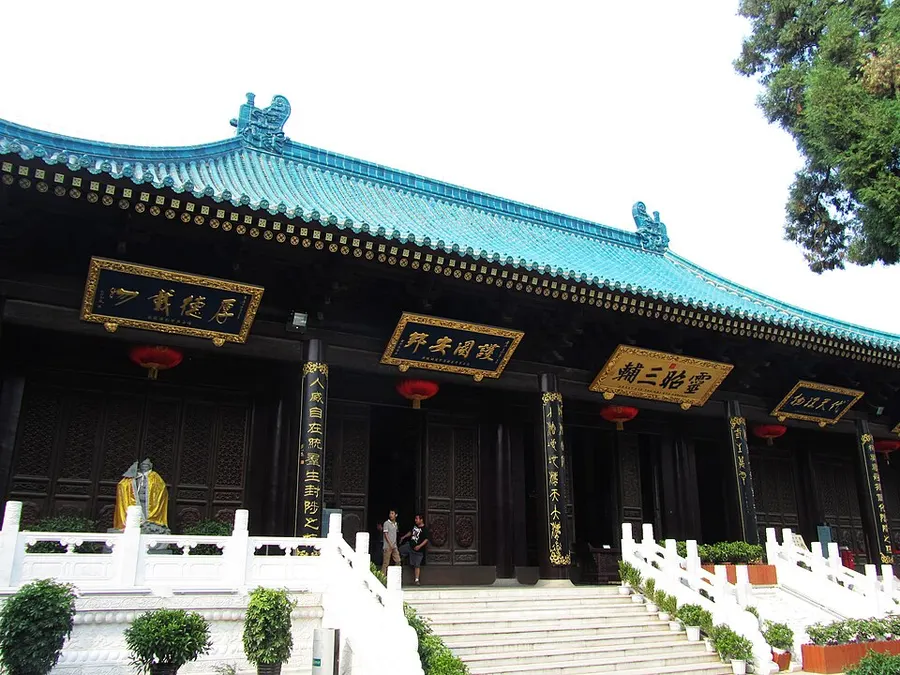
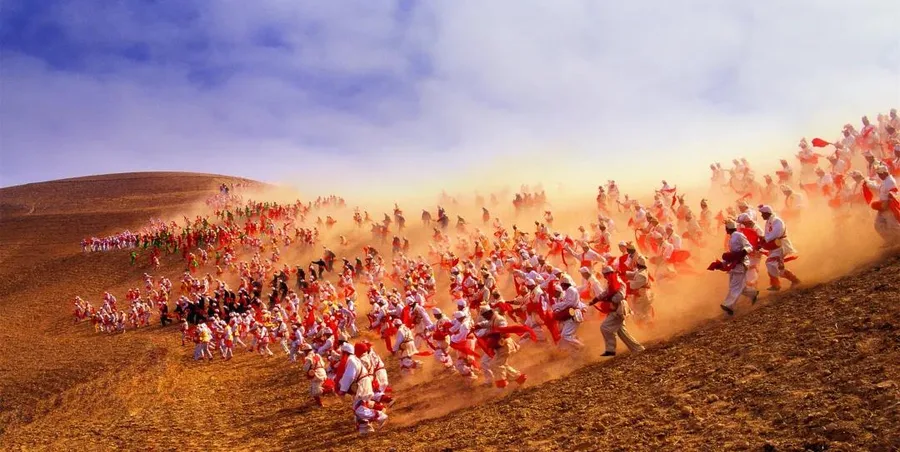
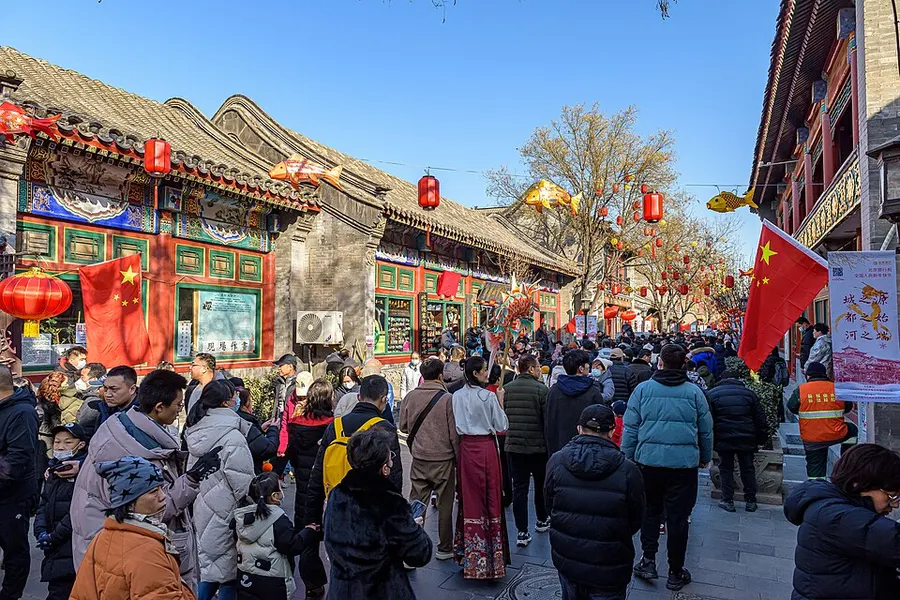
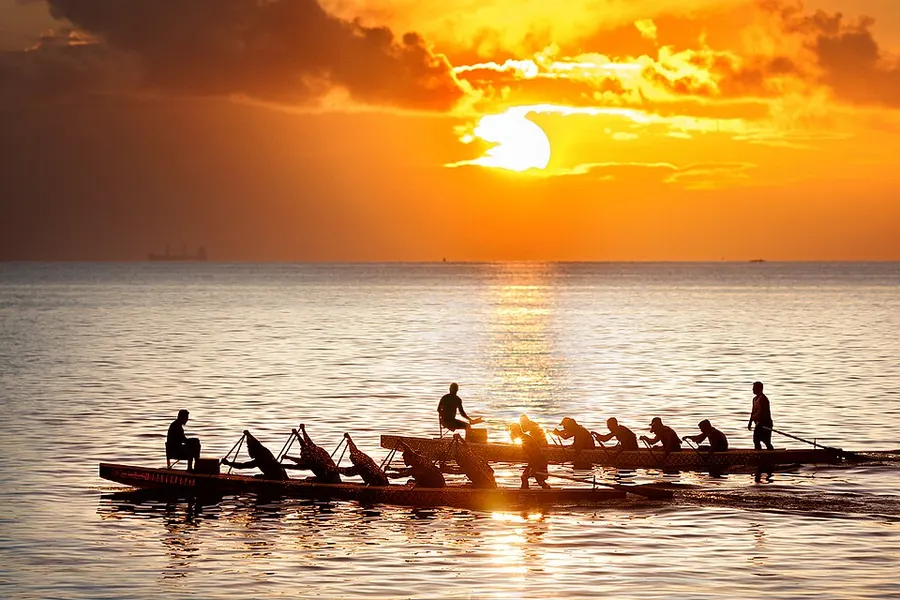
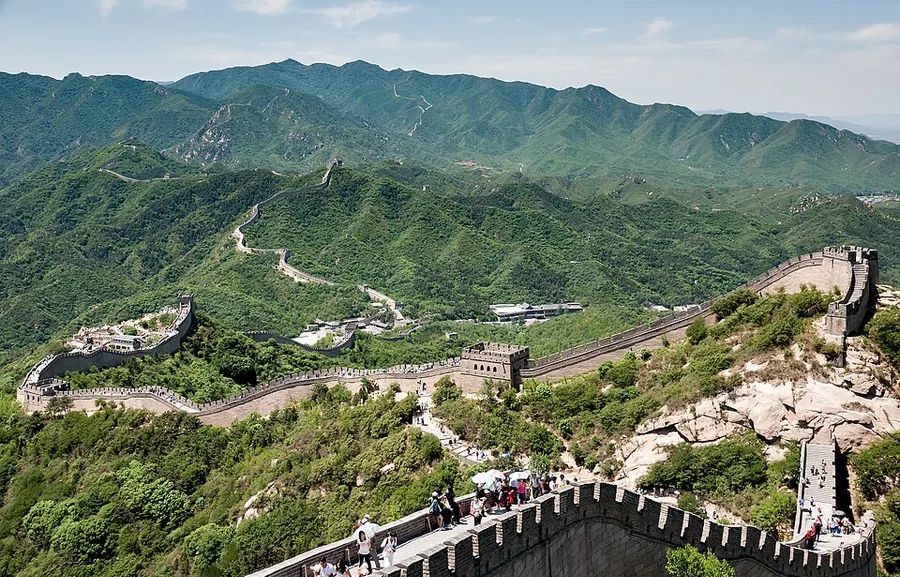
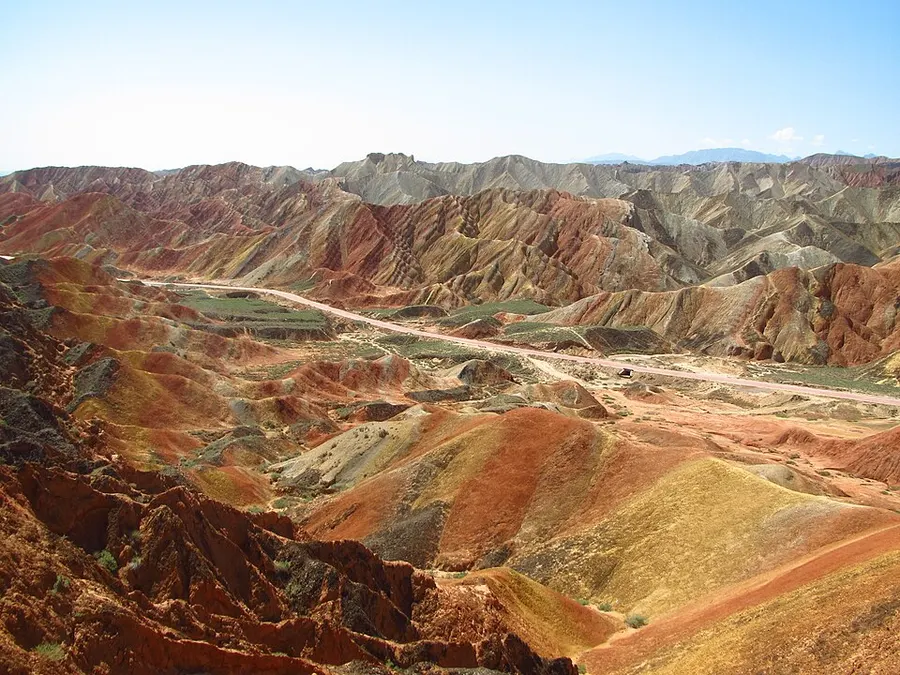
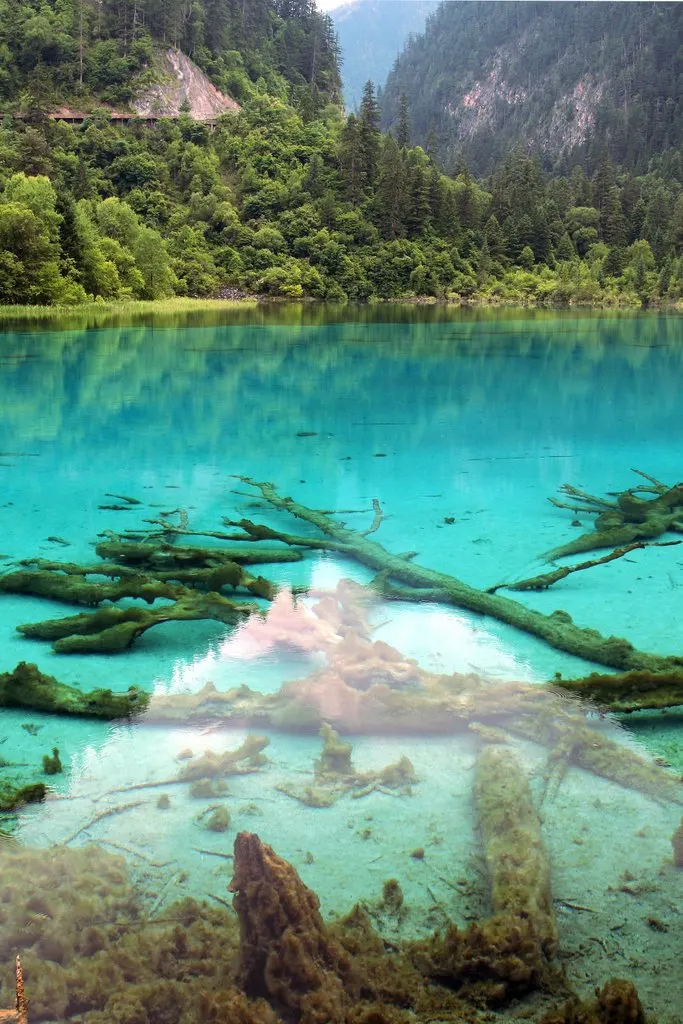
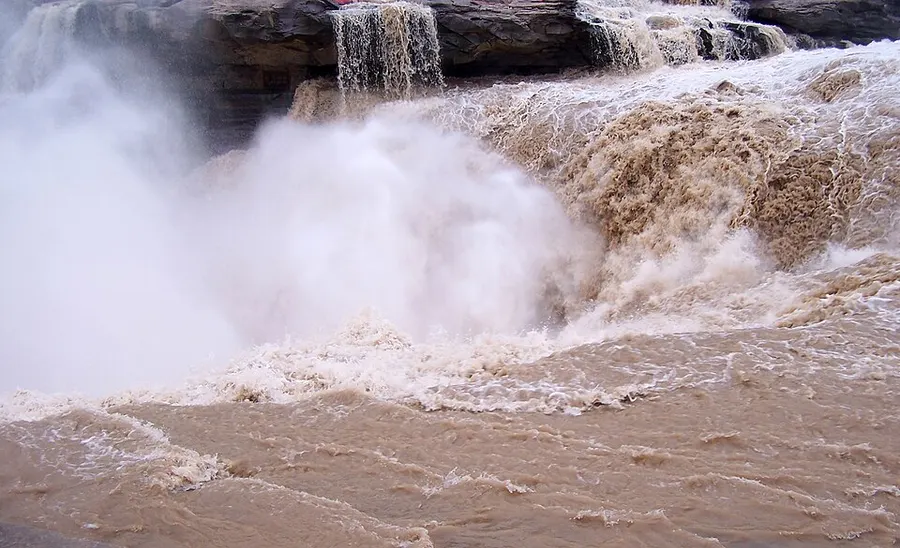
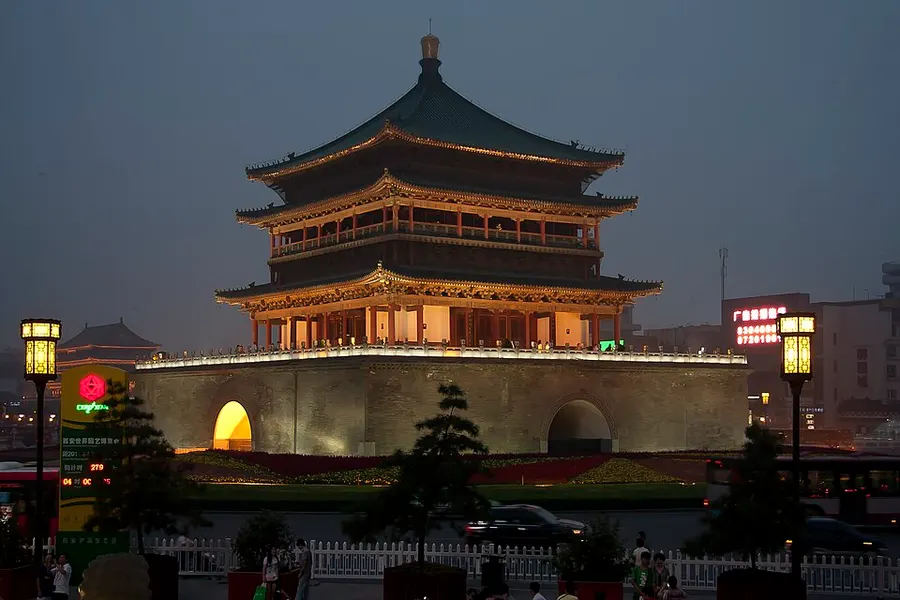
The Wei River valley in Shaanxi, the ancient heartland of the Zhou, Qin, Han, and Tang dynasties, with Xi'an as its historic capital.
5Heritage Traditions
0Living Masters
0Major Festivals
4Imperial Dynasties
expand_more
menu_bookIdentity & Origin
The 关中 Civilization
The Wei River valley in Shaanxi, the ancient heartland of the Zhou, Qin, Han, and Tang dynasties, with Xi'an as its historic capital.
For millennia, this region has been a crucible of Chinese civilization — shaping the arts, traditions, and cultural expressions that define the heritage of the nation. Its landscape, from mountain ranges to river valleys, has fostered distinct local practices that continue to thrive in the modern era through the dedication of master artisans, performers, and cultural custodians.
genetics
Region DNA
Key Traditions
Folk MusicOperaEmbroideryCeramicsTea CeremonyCalligraphy
Historical Dynasties
Tang Dynasty
Song Dynasty
Ming Dynasty
Qing Dynasty
Representative Crafts
Silk Weaving
Jade Carving
Bamboo Craft
Lacquerware
starsHeritage Constellation
Guanzhong
music_note
Music
theater_comedy
Drama
handyman
Crafts
sports_martial_arts
Martial Arts
celebration
Festivals
timelineCivilization Timeline
The Historical Arc of Guanzhong
Ancient Foundations
Pre-1000 BCE
Classical Formation
1000-221 BCE
Imperial Golden Age
221 BCE-960 CE
Late Imperial
960-1912 CE
Modern Preservation
1912-Present
self_improvementLiving Traditions
Heritage practices that continue to shape cultural life in Guanzhong
The rhythm of life in Guanzhong follows a seasonal wheel. Traditions are rituals performed in harmony with the arrival of spring rains or the first autumn frost. Each season brings a specific sensory palette — the scent of new tea, the sight of lotuses in classical ponds, the sound of bells in mountain temples.
01
Vernal Equinox
Harvesting the most prized Pre-Qingming tea buds.
02
Winter Solstice
Traditional family gatherings centered around rice wine and poetry.
mapCultural Geography
Guanzhong Heartland
Cultural Core
34.30°N, 108.90°E
Geographic Center
Xi'an
西安
Shaanxi Province
陕西省
"A landscape where mountains and rivers have shaped the cultural identity of a civilization."
Guanzhong — "within the passes" — is the Wei River valley shielded by mountains on every side, and its farmland of yellow earth sustained more imperial capitals than any place on Earth. Xianyang served the Qin kings before 221 BCE unification, and Chang’an (modern Xi’an) anchored the Western Han and Tang empires at populations exceeding half a million, making it among the world’s largest cities of its age.
The valley’s soil preserves its grandest secret badly: in March 1974 farmers digging a well east of Xi’an struck a fragment of fired clay, beginning excavation of the Terracotta Army — roughly 8,000 life-size soldiers, chariots, and horses guarding Qin Shi Huang’s tomb, inscribed on the very first UNESCO list in 1987. Westward from Chang’an, Zhang Qian rode out in 138 BCE toward Central Asia, opening the route now called the Silk Road; his reports introduced alfalfa, grapes, and foreign diplomacy to Han courts. Guanzhong cuisine still mirrors the crossroads: hand-slapped biangbiang noodles, mutton soup with crumbled flatbread, and persimmon cakes sold beside Tang-dynasty city walls.
handyman
Layers of Imperial Guanzhong
01
Capital of thirteen dynasties
From Western Zhou Haojing through Tang Chang’an, successive courts chose the same defended valley, stacking palaces, tombs, and ritual sites layer upon layer.
02
Terracotta legacy
Pit One alone holds about 6,000 infantry figures, each individually modelled; pigment traces show they were once brightly painted lacquer colours.
03
Gateway of overland trade
Camel caravans departed the Western Market through open western gates, carrying silk out and returning with horses, glass, and Buddhist scripture.
04
Qin-flavoured street food
Rougiamo sandwiches, liangpi cold noodles, and pomegranate juice from Lintong define a snack culture older than most European cities.
contact_support
Common Questions
Why was Guanzhong chosen so often as a capital?add
Four mountain passes seal the valley against cavalry raiding while fertile loess plains feed large armies; control of Hangu Pass in particular let rulers project power eastward. Strategists since the Warring States period rated it "a stronghold easily held." The Qin proved the formula by conquering all rivals from this base.
Are the Terracotta Warriors real-sized and unique?add
Each averages 1.85 metres tall and no two faces repeat; workshop stamps even record individual artisans. Discovered accidentally in 1974 and opened to the world by 1979, the army required an estimated 700,000 labourers under the first emperor’s unified standard systems.
What connects Xi’an to the Silk Road?add
Chang’an was the road’s eastern terminus: its western markets priced goods arriving from Samarkand, hosted Sogdian merchant colonies, and sent monk Xuanzang westward in 629 CE. The 2014 UNESCO listing of the Chang’an–Tianshan corridor formalizes exactly this linkage.
smart_display
Watch & Learn
Oral Tradition
Stories & Legends
Narratives from the atlas graph that share origins, practitioners, or settings with this topic.