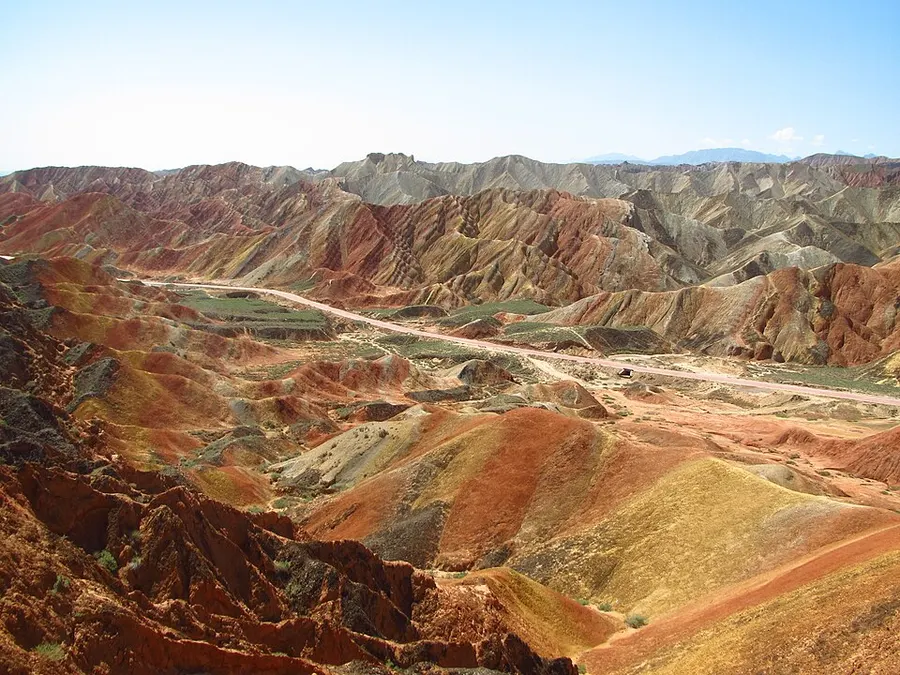
Northwest China
西北
The arid region of Ningxia, Gansu, and Qinghai, a crossroads of Tibetan, Muslim, and Han cultures with distinctive folk song and dance traditions.
The 西北 Civilization
The arid region of Ningxia, Gansu, and Qinghai, a crossroads of Tibetan, Muslim, and Han cultures with distinctive folk song and dance traditions.
For millennia, this region has been a crucible of Chinese civilization — shaping the arts, traditions, and cultural expressions that define the heritage of the nation. Its landscape, from mountain ranges to river valleys, has fostered distinct local practices that continue to thrive in the modern era through the dedication of master artisans, performers, and cultural custodians.
Region DNA
- Silk Weaving
- Jade Carving
- Bamboo Craft
- Lacquerware
The Historical Arc of Northwest China
Pre-1000 BCE
1000-221 BCE
221 BCE-960 CE
960-1912 CE
1912-Present
Heritage practices that continue to shape cultural life in Northwest China
Masters of Northwest China
View ArchiveNo master inheritors recorded for this region. Browse all masters

Seasonal Life in 西北
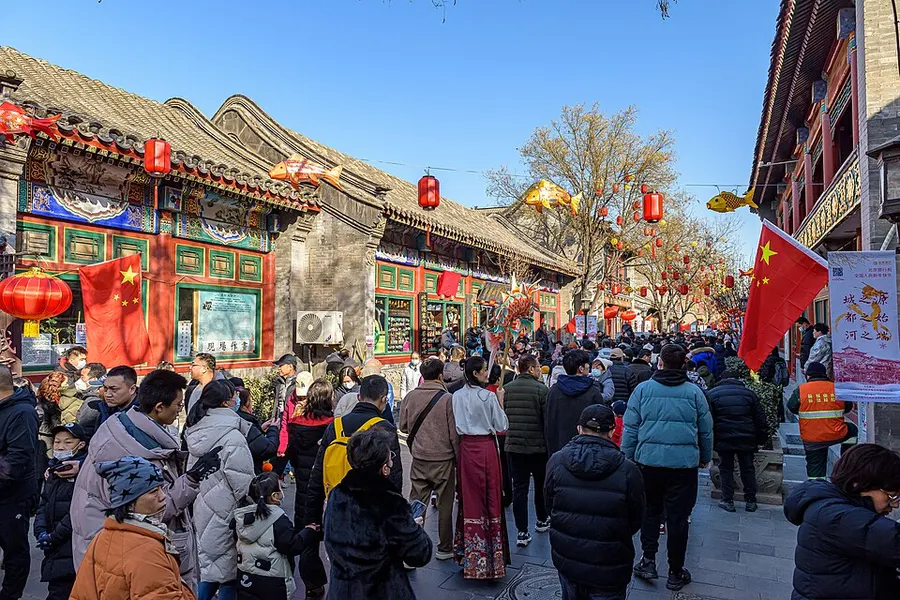
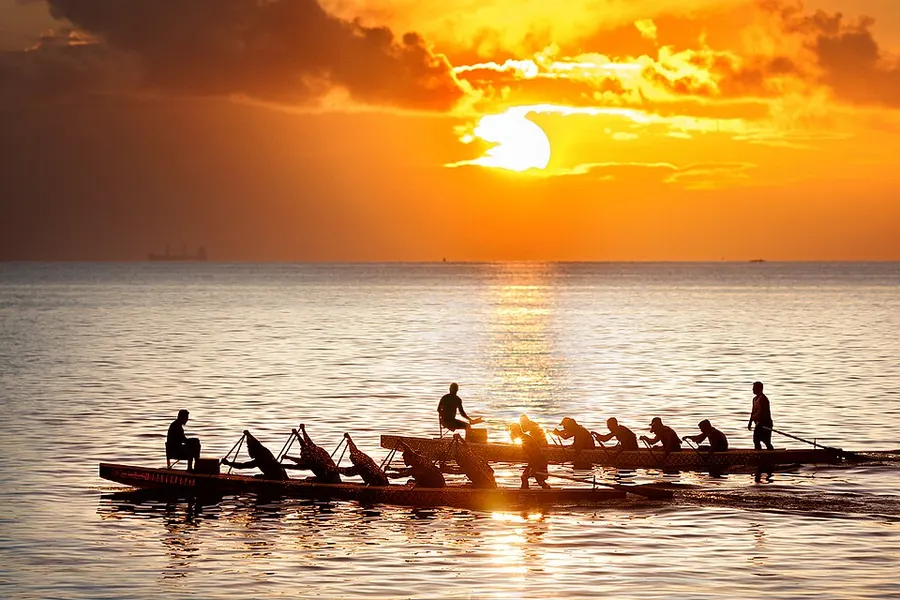
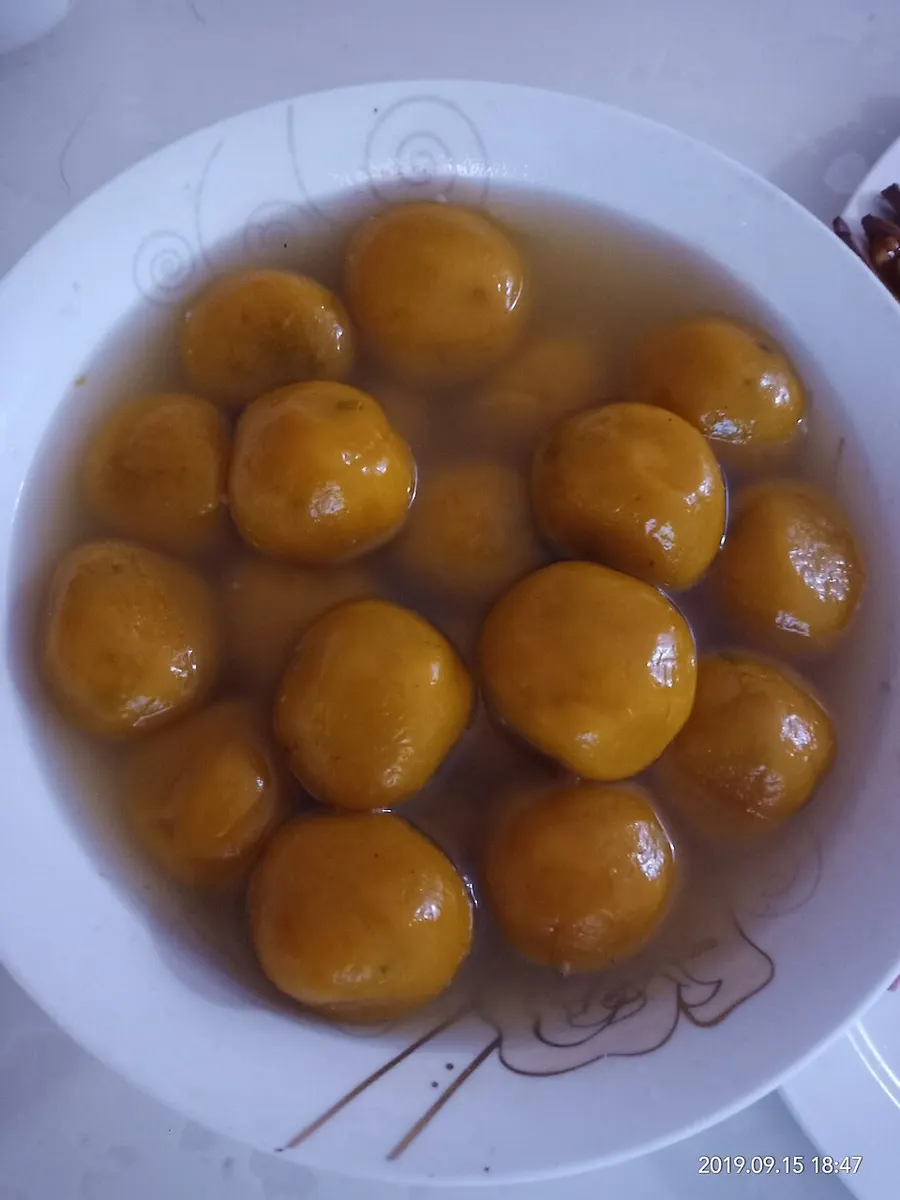
The rhythm of life in Northwest China follows a seasonal wheel. Traditions are rituals performed in harmony with the arrival of spring rains or the first autumn frost. Each season brings a specific sensory palette — the scent of new tea, the sight of lotuses in classical ponds, the sound of bells in mountain temples.
Vernal Equinox
Harvesting the most prized Pre-Qingming tea buds.
Winter Solstice
Traditional family gatherings centered around rice wine and poetry.
Northwest China Heartland
Cultural Core
36.00°N, 102.00°E
Geographic Center
"A landscape where mountains and rivers have shaped the cultural identity of a civilization."
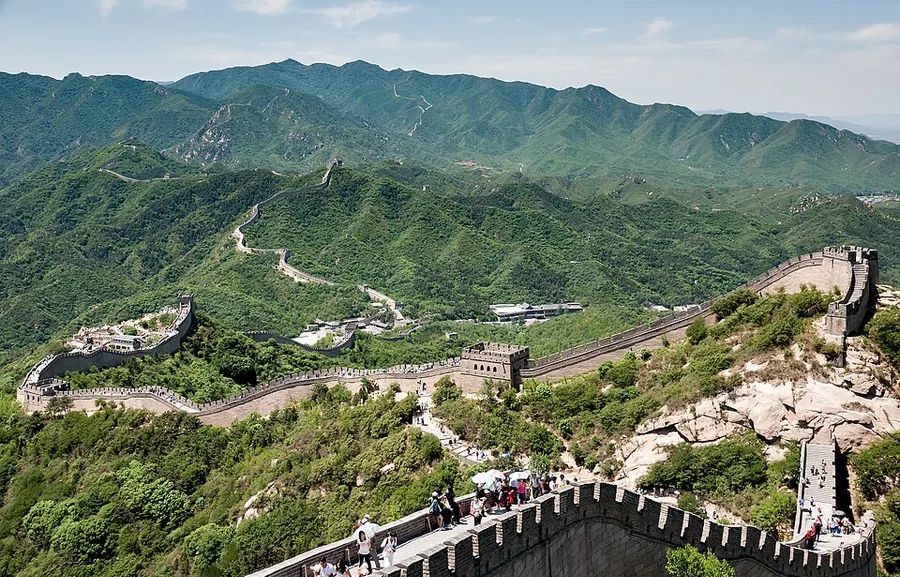
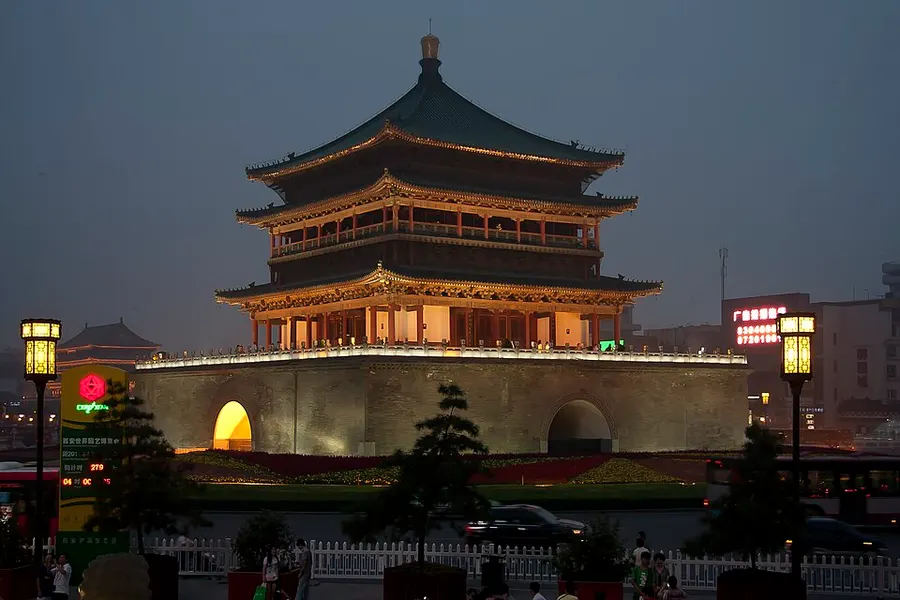

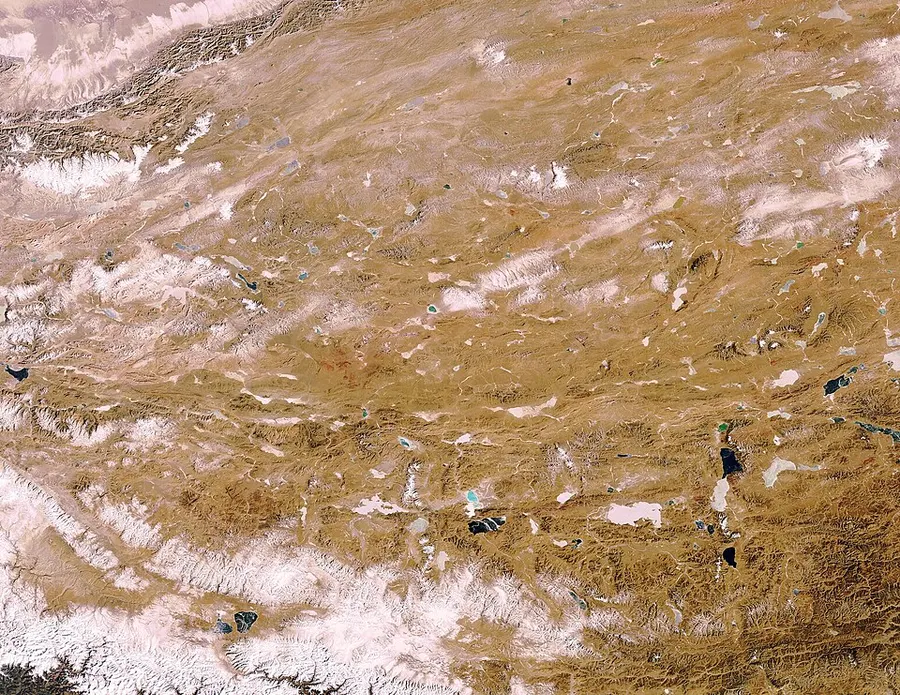
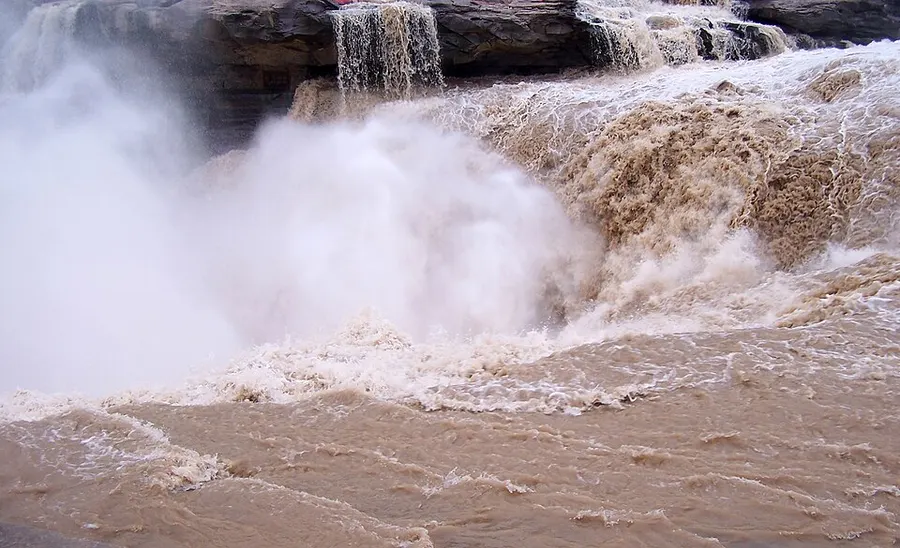
History & Development
Northwest China — Xinjiang, Gansu, Ningxia, Qinghai, and Shaanxi’s arid north — is a landscape of oases separated by deserts and ranges, where survival depended on engineered water long before modern pumps. Turfan’s karez system, an underground network of wells and channels probably elaborated during Han-era expansion after 100 BCE, gravity-feeds glacial melt to vineyards without losing a drop to evaporation, sustaining grape trellises and melon beds in what is effectively rainless terrain.
Trade and faith moved along the same corridors, leaving a layered soundscape. Mountain herders across Gansu, Qinghai, and Ningxia improvise the antiphonal folk songs called Huaer, inscribed by UNESCO in 2009, while Uyghur courtyard gatherings keep the musical-ritual complex of meshrep alive in Kashgar and Turfan. Lanzhou grew from a Yellow River ferry town into the noodle capital whose hand-stretched beef broth bowls are now a national breakfast institution, and Dunhuang’s cave libraries proved the northwest was medieval Eurasia’s great translation zone, preserving texts in more than a dozen languages and scripts.
Oasis Ingenuity
- 01
Karez underground channels
Vertical shafts linked by sloping tunnels deliver snowmelt across kilometres of desert; Turfan’s roughly 1,000 surviving channels irrigate vineyards first planted under Tang rule.
- 02
Huaer song meetings
Each summer thousands gather in mountain meadows for improvised duet contests, singing couplets that mix Mandarin and regional dialects.
- 03
Melon and grape oases
Hamis melons, Turfan raisins, and Korla pears depend on wide day-night temperature swings unique to basin climates.
- 04
Lanzhou beef noodle craft
Masters stretch one dough piece into capillary-thin strands within seconds, judged against five colour standards of clear broth, white radish, red chili oil, green cilantro, and yellow noodles.
Common Questions
How does farming survive in such arid regions?
Through captured snowmelt: karez tunnels, oasis canal cooperatives, and now reservoir regulation concentrate glacial water exactly where orchards need it. Farmers pair this with mulching and shelterbelts against wind erosion — techniques refined over two thousand years of continuous settlement.
What is Huaer music?
A high-pitched, soaring folk-song genre sung across four provinces by farmers and herders of many ethnicities, recognised by UNESCO in 2009. Annual song festivals turn mountain passes into open-air arenas where verses are invented on the spot; hear examples via our Huaer entry.
What should travellers see in the Northwest?
The classic arc runs Lanzhou’s noodle breakfasts and Yellow River bridges, Jiayuguan’s Ming fortress, Dunhuang’s Mogao caves, then the Turfan depression’s karez and grape valleys before Kashgar’s old city — essentially the Silk Road corridor in one journey.