
The Lute That Crossed the Desert: Pipa
historicalA Persian instrument that crossed the Silk Road and became unmistakably Chinese.
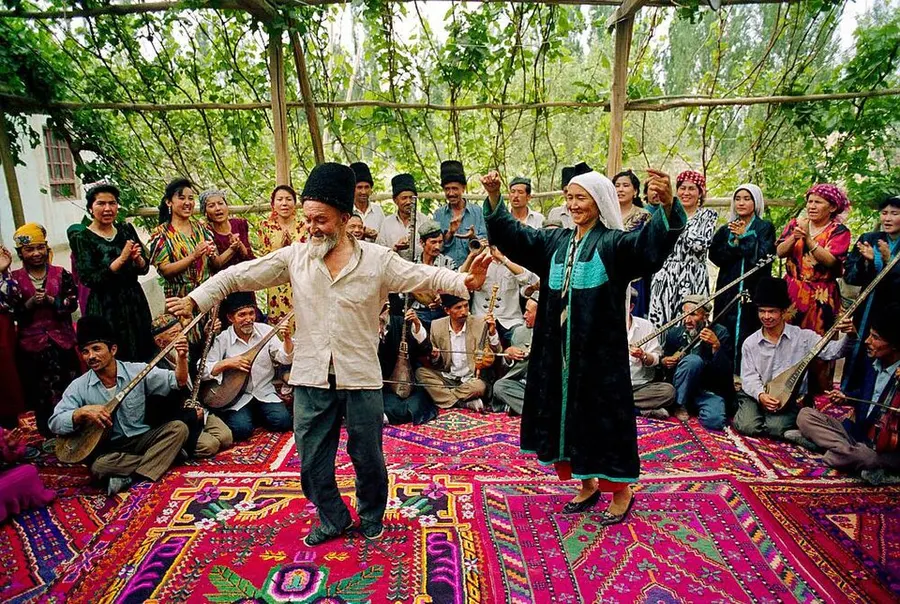
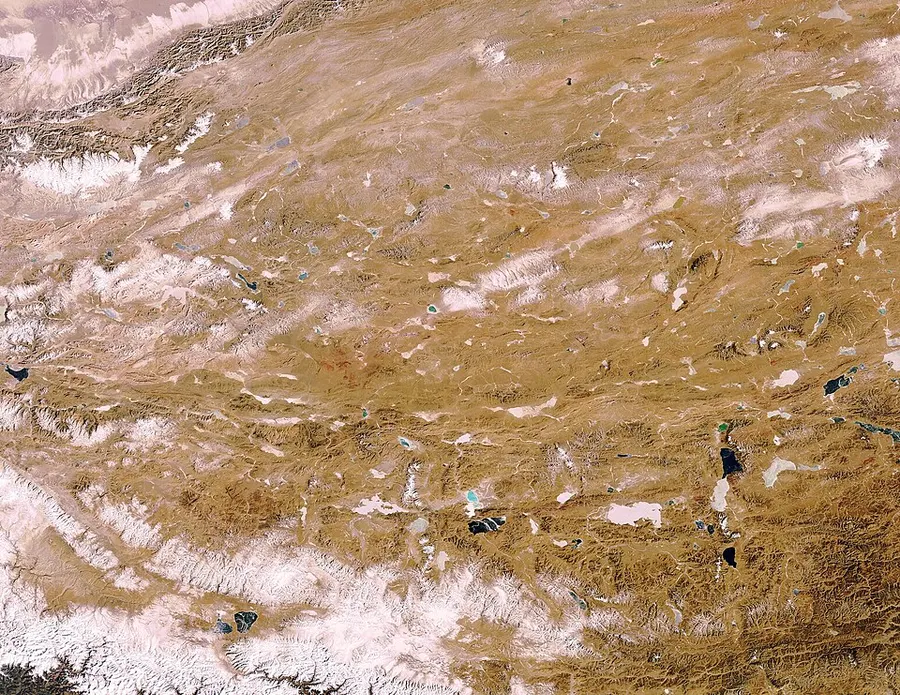
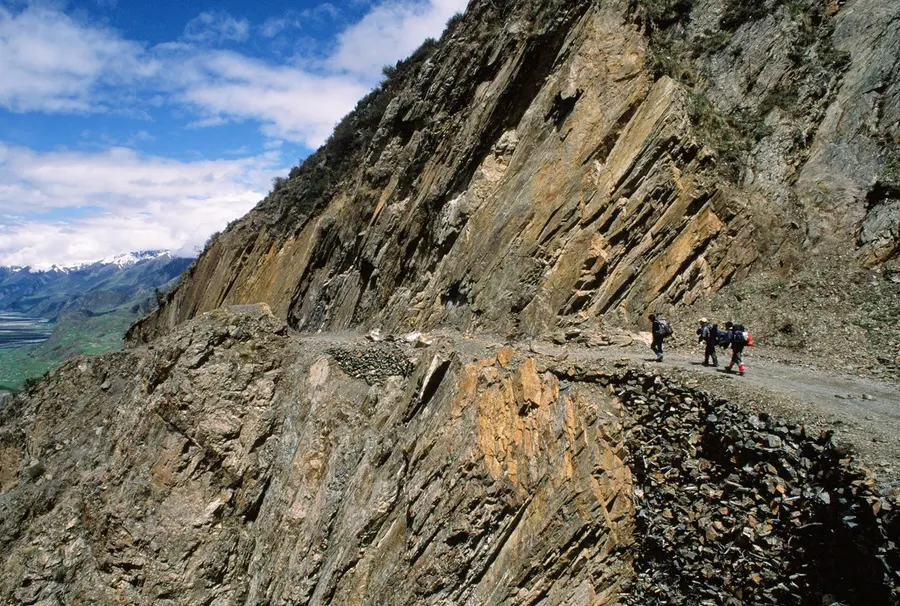
The vast corridor linking China to Central Asia across Xinjiang, a melting pot of Uyghur, Kazakh, and Mongol cultures with muqam music and Islamic-inspired arts.
The vast corridor linking China to Central Asia across Xinjiang, a melting pot of Uyghur, Kazakh, and Mongol cultures with muqam music and Islamic-inspired arts.
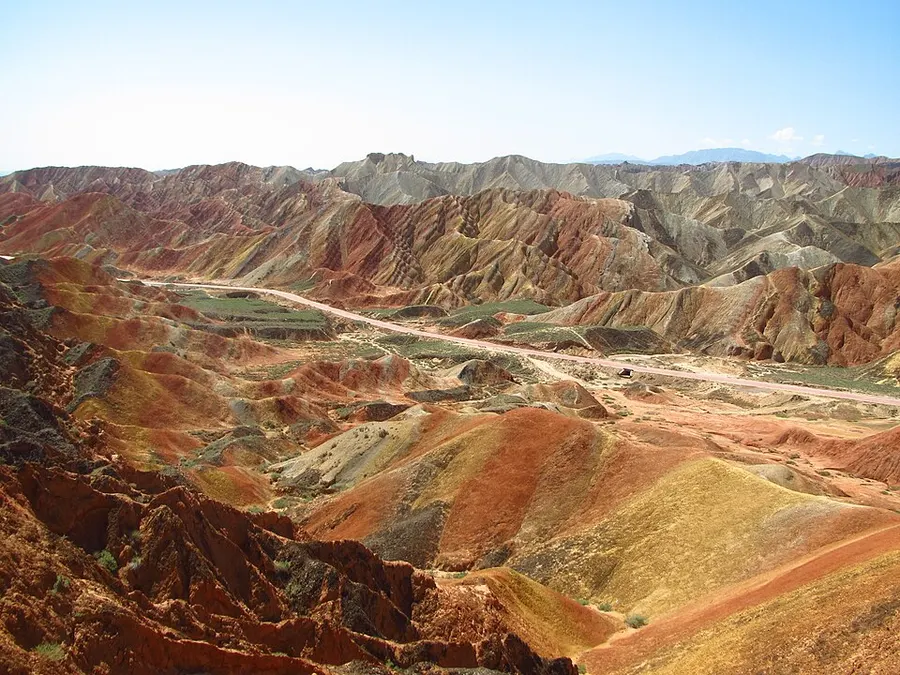
For millennia, this region has been a crucible of Chinese civilization — shaping the arts, traditions, and cultural expressions that define the heritage of the nation. Its landscape, from mountain ranges to river valleys, has fostered distinct local practices that continue to thrive in the modern era through the dedication of master artisans, performers, and cultural custodians.
The Historical Arc of Silk Road
Pre-1000 BCE
1000-221 BCE
221 BCE-960 CE
960-1912 CE
1912-Present
Heritage practices that continue to shape cultural life in Silk Road
Masters of Silk Road
View ArchiveNo master inheritors recorded for this region. Browse all masters
The rhythm of life in Silk Road follows a seasonal wheel. Traditions are rituals performed in harmony with the arrival of spring rains or the first autumn frost. Each season brings a specific sensory palette — the scent of new tea, the sight of lotuses in classical ponds, the sound of bells in mountain temples.
Harvesting the most prized Pre-Qingming tea buds.
Traditional family gatherings centered around rice wine and poetry.
Cultural Core
Geographic Center
新疆
"A landscape where mountains and rivers have shaped the cultural identity of a civilization."
Connected Regions
The Silk Road was less one road than a relay of oasis routes crossing some 7,000 kilometres between Chang’an and the Mediterranean, stitched together by caravan cities such as Dunhuang, Turpan, Kashgar, and Samarkand. Official traffic began when Zhang Qian returned in 126 BCE from thirteen years of captivity and reconnaissance in Central Asia, handing the Han court both intelligence and grapevines; within a generation, silk bolts were priced in Rome and Buddhist monks walked the route eastward.
Dunhuang became the route’s memory bank: merchants funding cave chapels from 366 CE onward created the Mogao Grottoes’ 735 caves and 45,000 square metres of mural, sealed library cave included, inscribed by UNESCO in 1987. Ideas travelled with cargo — papermaking reached Samarkand after the Battle of Talas in 751, printing followed, and Nestorian, Manichaean, and Muslim communities left documents in a dozen languages in the Turfan sands. The modern revival is equally official: in 2014 UNESCO inscribed the 5,000-kilometre Chang’an–Tianshan corridor jointly with Kazakhstan and Kyrgyzstan, listing 33 sites along precisely these routes.
No single caravan crossed Asia; goods changed hands at walled towns where camels, water rights, and credit instruments were renegotiated sector by sector.
Travellers commissioned murals and scriptures as merit-making insurance, which is why desert caves preserve a millennium of painting undisturbed by weather.
Silk and peaches went west; glassware, cotton, and the saddle came east, while printing and gunpowder formulas reshaped Europe after passing through Central Asian intermediaries.
Rail lines and the 2014 UNESCO listing reactivated historic staging points, turning Jiayuguan, Hami, and Turfan into interpretive heritage parks.
Yes — by the first century CE silk was so prized in Rome that Seneca complained fortunes were spent on it, though no Roman ever saw a silkworm. Intermediaries like Parthia and Kushan controlled transit, keeping prices high and origins mysterious until Byzantine monks smuggled eggs out around 552 CE.
Continuity and survival: a thousand years of uninterrupted painting from 366 CE onward, protected by desert dryness and a sealed library cave holding some 50,000 manuscripts discovered in 1900. It remains the single densest archive of medieval world art anywhere.
Its logic is: rail freight from Xinjiang ports to Europe now takes about two weeks, following the same oases corridor. Tourists drive the Hexi Corridor visiting Jiayuguan fort, Mogao, and Kashgar’s Sunday market in one week-long circuit.
Narratives from the atlas graph that share origins, practitioners, or settings with this topic.
A Persian instrument that crossed the Silk Road and became unmistakably Chinese.
Photographs documenting the materials, makers, and settings behind these traditions.