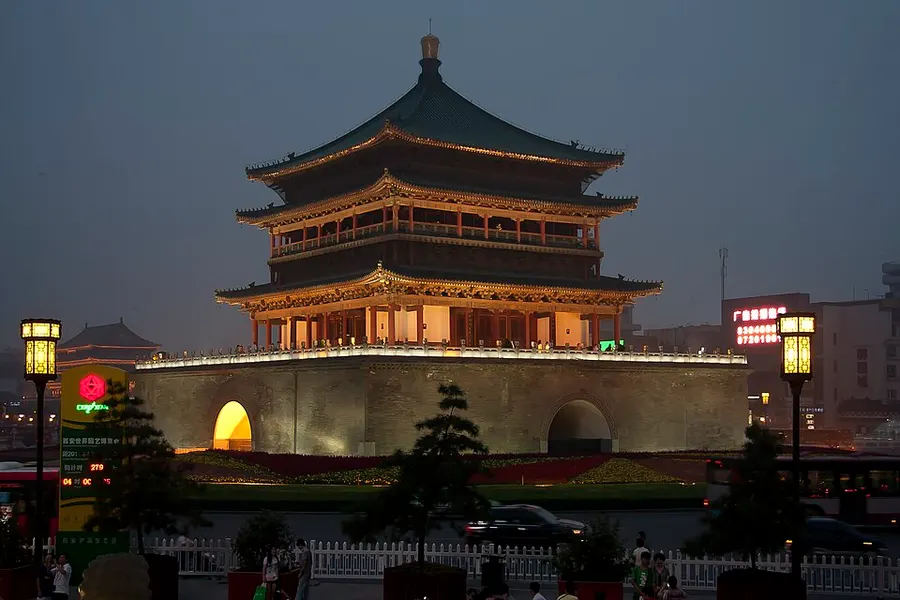
The region centered on Beijing and the North China Plain, serving as the political and cultural heartland through multiple imperial dynasties.
37Heritage Traditions
0Living Masters
0Major Festivals
4Imperial Dynasties
expand_more
menu_bookIdentity & Origin
The 华北 Civilization
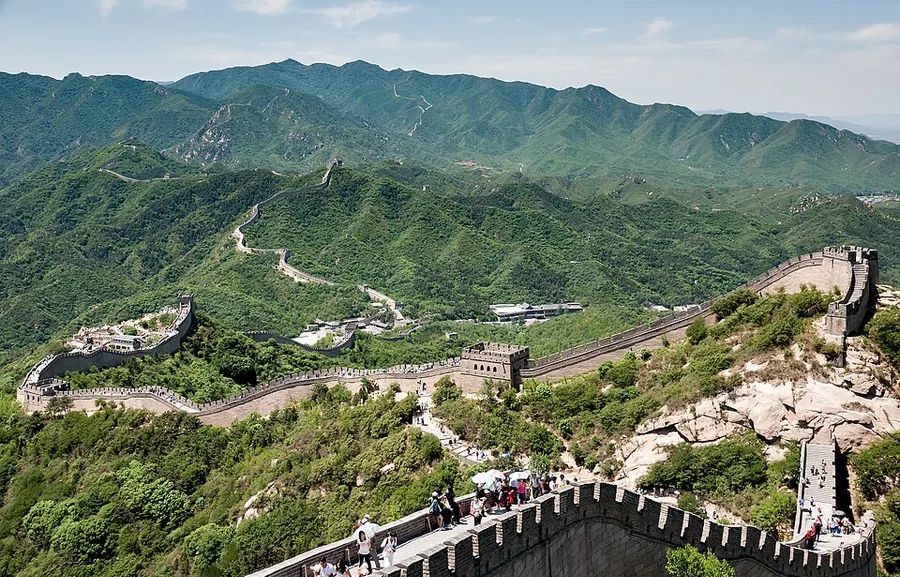
The region centered on Beijing and the North China Plain, serving as the political and cultural heartland through multiple imperial dynasties.
For millennia, this region has been a crucible of Chinese civilization — shaping the arts, traditions, and cultural expressions that define the heritage of the nation. Its landscape, from mountain ranges to river valleys, has fostered distinct local practices that continue to thrive in the modern era through the dedication of master artisans, performers, and cultural custodians.
genetics
Region DNA
Key Traditions
Folk MusicOperaEmbroideryCeramicsTea CeremonyCalligraphy
Historical Dynasties
Tang Dynasty
Song Dynasty
Ming Dynasty
Qing Dynasty
Representative Crafts
Silk Weaving
Jade Carving
Bamboo Craft
Lacquerware
starsHeritage Constellation
North China
music_note
Music
theater_comedy
Drama
handyman
Crafts
sports_martial_arts
Martial Arts
celebration
Festivals
timelineCivilization Timeline
The Historical Arc of North China
Ancient Foundations
Pre-1000 BCE
Classical Formation
1000-221 BCE
Imperial Golden Age
221 BCE-960 CE
Late Imperial
960-1912 CE
Modern Preservation
1912-Present
self_improvementLiving Traditions
Heritage practices that continue to shape cultural life in North China
The rhythm of life in North China follows a seasonal wheel. Traditions are rituals performed in harmony with the arrival of spring rains or the first autumn frost. Each season brings a specific sensory palette — the scent of new tea, the sight of lotuses in classical ponds, the sound of bells in mountain temples.
01
Vernal Equinox
Harvesting the most prized Pre-Qingming tea buds.
02
Winter Solstice
Traditional family gatherings centered around rice wine and poetry.
mapCultural Geography
North China Heartland
Cultural Core
39.90°N, 116.40°E
Geographic Center
Beijing
北京
Weifang
潍坊
Shandong Province
山东省
"A landscape where mountains and rivers have shaped the cultural identity of a civilization."
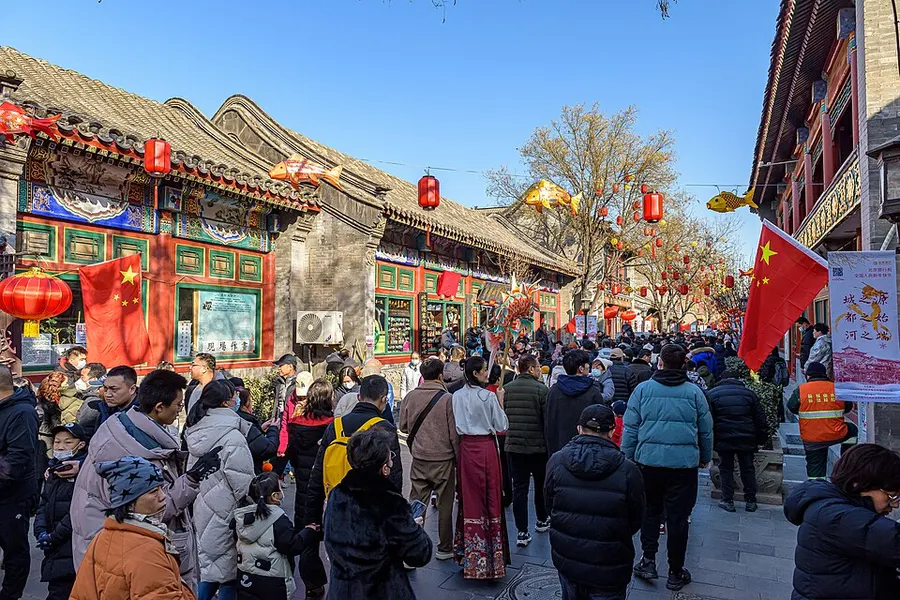
North China is the Beijing-centred triangle where Taihang mountains, Yan mountains, and Bohai Sea enclose a broad alluvial plain built from Yellow River sediments. Khubilai Khan laid out Dadu, modern Beijing’s direct ancestor, in 1267 on Chinese geomantic principles despite his Mongol origins; the Ming rebuilt it as Beijing after 1421, and its hutong lanes and siheyuan courtyards preserved a neighbourhood scale that survived even twentieth-century boulevards cutting through.
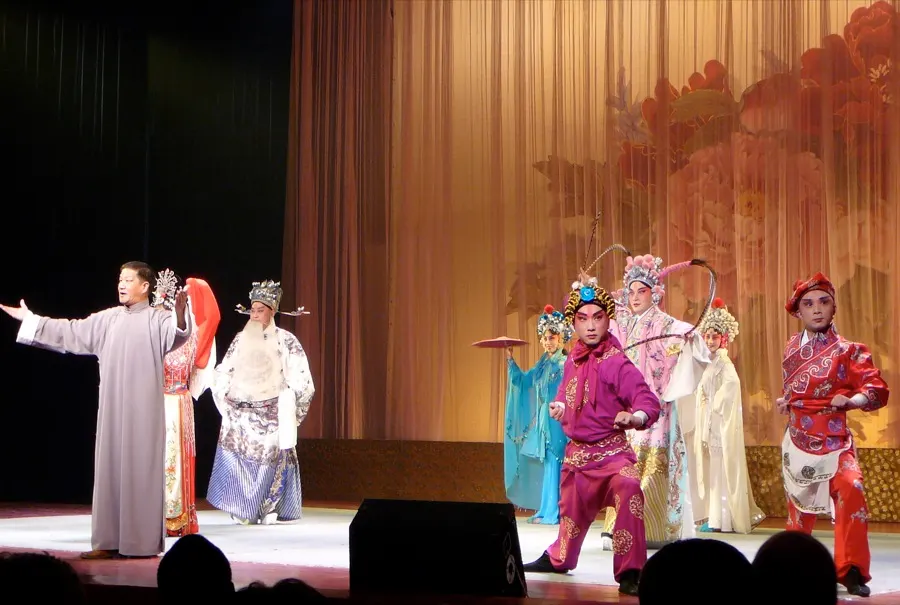
The region industrialized earliest and set metropolitan taste for centuries. Huiju troupes arriving for Qianlong’s eightieth birthday celebrations in 1790 crossbred with local styles in Beijing’s theatres until Peking opera crystallised as the national stage art; nearby Tianjin became the printing and caricature capital whose New Year woodblock workshops — most famously Yangliuqing — shipped paper gods up every waterway north. Winter-wheat and maize double-cropping on the plain still feeds the megalopolis, while high-speed rail has compressed Hebei’s cities into Beijing’s commuting orbit within twenty years.
handyman
Metropolitan Traditions
01
Courtyard-house living
Siheyuan layouts orient halls south around shaded courts; restored examples in Nanluoguxiang demonstrate how family hierarchy mapped onto rooms.
02
Opera in teahouses
Beijing audiences learned repertoire by heart and punctuated arias with shouts of approval, a convention live venues such as Huguang Guild Hall maintain weekly.
03
Woodblock new year prints
Yangliuqing masters draw, carve, and stencil-colour door gods and chubby babies; the craft anchors a museum district southwest of Tianjin.
04
Imperial snack canon
Zhajiang noodles, candied hawthorn skewers, and steamed wheaten cakes migrated from court kitchens to street stalls and back again.
contact_support
Common Questions
What provinces make up North China?add
Administratively Beijing, Tianjin, and Hebei form the core ("Jing-Jin-Ji"), usually extended to Shandong, Shanxi, and Inner Mongolia’s central leagues. Geographically it is the Yellow River’s northern alluvial fan plus the mountain rim guarding it.
Why did Peking opera form in Beijing rather than elsewhere?add
Capital audiences and court patronage rewarded synthesis: Anhui troupes from 1790 merged with Han melodies, Kunqu arias, and northern percussion inside Beijing’s commercial teahouse circuit, producing the hybrid codified by 1860s star Mei Qiaoling. The full story continues in our opera narrative.
Are hutongs disappearing?add
Many were razed in redevelopment waves, but protected zones around Shichahai, Guozijian, and Dashilar preserve several thousand original courtyards, some converted to boutique uses while families remain. Municipal rules since 2017 require renovation over demolition within the old city grid.
smart_display
Watch & Learn
Oral Tradition
Stories & Legends
Narratives from the atlas graph that share origins, practitioners, or settings with this topic.
A young cowherd named Niulang discovers the heavenly weaver girl Zhinu bathing in a river. They fall in love and marry, but Zhinu's mother, the Queen Mother of Heaven, separates them with the Milky Way. Once a year, on the seventh night of the seventh month, magpies form a bridge across the stars so they can reunite — this is the origin of Qixi Festival.
Long ago, a monster called Nian (meaning "year") would descend from the mountains every New Year's Eve to devour villagers and livestock. The people discovered Nian feared the color red, bright light, and loud noises. They began decorating their homes in red, lighting lanterns and firecrackers to drive Nian away. This tradition evolved into the Spring Festival customs observed today.
During the Han Dynasty, Emperor Mingdi promoted Buddhism by ordering lanterns lit in palaces and temples. To make the festival more engaging, scholars began writing riddles on lanterns for people to solve. The tradition of lantern riddles (cai dengmi) spread throughout China, combining celebration, wordplay, and intellectual challenge into a beloved Lantern Festival custom.